
Natural Resources
Conservation Service
Ecological site R236XY128AK
Western Alaska Maritime Dwarf Scrub Loamy Slopes, Steep
Last updated: 2/13/2024
Accessed: 10/05/2026
-
Search


Major Land Resource Area or ecological site by name and/or ID.
General information
Provisional. A provisional ecological site description has undergone quality control and quality assurance review. It contains a working state and transition model and enough information to identify the ecological site.
Click to explore map
Figure 1. Mapped extent
Areas shown in blue indicate the maximum mapped extent of this ecological site. Other ecological sites likely occur within the highlighted areas. It is also possible for this ecological site to occur outside of highlighted areas if detailed soil survey has not been completed or recently updated.
MLRA notes
Major Land Resource Area (MLRA): 236X–Bristol Bay-Northern Alaska Peninsula Lowlands
MLRA 236 is in the western region of Alaska. It covers approximately 19,575 square miles and extends inland from Bristol Bay. It is defined by an expanse of nearly level to rolling lowlands, uplands, and low to moderate hills bordered by long footslopes of mountains. The climate near the coast is dominantly maritime, but the weather systems of Interior Alaska may have a strong influence on inland areas. The entire MLRA was covered by glacial ice during the early to middle Pleistocene. MLRA 236 is dominantly sparsely populated, undeveloped wildland. The communities of Dillingham and King Salmon and other villages are in the MLRA.
Ecological site concept
Information about the ecological site concept is in the "Ecological Dynamics" section.
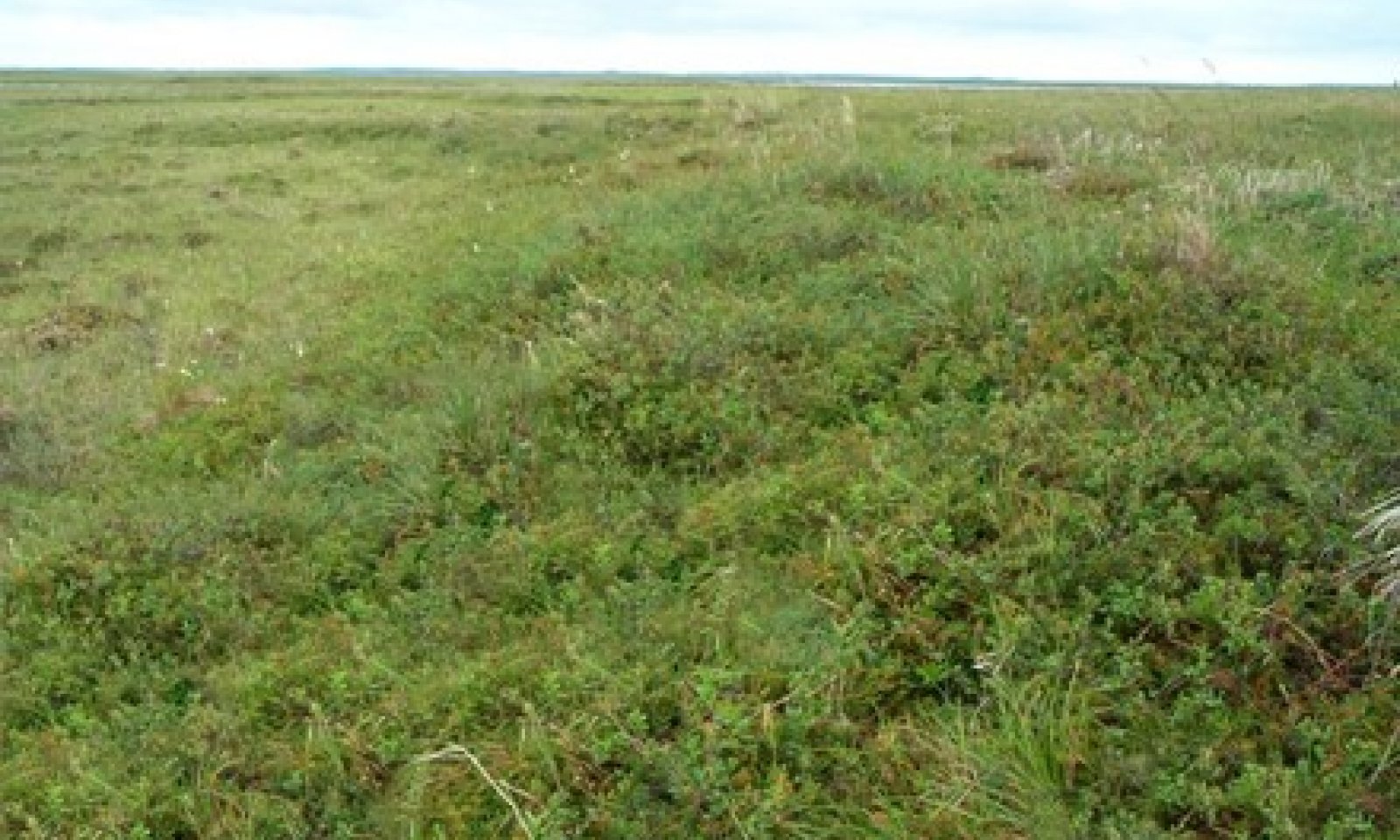
This report provides baseline inventory data for the vegetation in this ecological site. Future data collection is needed to provide further information about existing plant communities and the disturbance regimes that would result in transitions from one community to another.Table 1. Dominant plant species
Tree Not specified
Shrub (1) Vaccinium uliginosum
(2) Empetrum nigrumHerbaceous (1) Calamagrostis canadensis
(2) Chamerion angustifolium


