
Natural Resources
Conservation Service
-
Search


Major Land Resource Area or ecological site by name and/or ID.
PreviousSectionsNextGeneral information
Provisional. A provisional ecological site description has undergone quality control and quality assurance review. It contains a working state and transition model and enough information to identify the ecological site.
Click to explore map
Figure 1. Mapped extent
Areas shown in blue indicate the maximum mapped extent of this ecological site. Other ecological sites likely occur within the highlighted areas. It is also possible for this ecological site to occur outside of highlighted areas if detailed soil survey has not been completed or recently updated.
MLRA notes
Major Land Resource Area (MLRA): 102B–Till Plains
The Till Plains (102B) is located within the Western Lake Section of the Central Lowland Province of the Interior Plains. It is entirely in South Dakota, encompassing 2,215 square miles (Figure 1). The elevation ranges from 1,140 to 1,880 feet. The MLRA is characterized by glaciated, nearly level to hilly plains populated by stagnation and end moraines, glacial outwash terraces, and floodplains as the major landforms. The dominant parent materials are silty drift, glacial till, glacial outwash, and alluvium. (USDA-NRCS 2006)
The dominant soil order in this MLRA is Mollisols. The soils in the area dominantly have a mesic temperature regime, a udic ustic moisture regime and mixed or smectitic mineralogy. They generally are very deep, well drained to poorly drained, and clayey or loamy. This area is in the western area of the tall grass prairie and supports big bluestem (Andropogon gerardi), little bluestem (Schizachyrium scoparium), Indiangrass (Sorghastrum nutans), porcupine grass (Hesperostipa spartea), and green needlegrass (Nassella viridula) as the dominant native species. Cattails (Typha), prairie cordgrass (Spartina pectinate), bulrush (Cyperaceae) and reed canarygrass (Phalaris arundinacea) are commonly found on the poorly drained soils. (USDA-NRCS, 2006).Classification relationships
Major Land Resource Area (MLRA): Till Plains (102B) (USDA-NRCS, 2006)
USFS Subregions: North Central Glaciated Plains Section (251B); Outer Coteau des Prairies (251Bb); Yankton Hills and Valleys (251Bf); Northwest Iowa Plains (251Bd); (Cleland et al., 2007).
US EPA Level IV Ecoregion: Prairie Coteau (46k); James River Lowland (46n); Loess Prairies (47a); Big Sioux Basin (46m) - (USEPA, 2013)Ecological site concept
The Sandy ecological site typically occurs in an upland area. Soils vary from moderately well drained to somewhat excessively drained. The surface and subsoil textures are sandy loam, fine sandy loam, and loamy very fine sand. Slopes can range from 0 to 40 percent.
Vegetation in the Reference State is dominated by warm-season grasses including big bluestem, switchgrass, and cool-season needlegrasses. Forbs include cudweed sagewort, prairie coneflower, and western yarrow. Non-native grasses such as Kentucky bluegrass and smooth bromegrass, and invasive woody species such as eastern redcedar may invade with shifts to the disturbance regime.Associated sites
R102BY010SD Loamy
These sites occur on upland areas. Soils are well drained. The surface and subsoil textures are loam, silt loam, silty clay loam, clay loam, sandy clay loam, and very fine sandy loam. The central concept soil series are Egan and Wentworth but other series are included.
R102BY012SD Thin Upland
These sites occur on uplands. Soils are well drained and will effervesce with acid at or near the surface. The central concept soil series are Ethan and Betts but other series are included.
R102BY020SD Loamy Overflow
These sites occur in upland swales. Soils are moderately well drained. The surface and subsoil textures are loam, silt loam, silty clay loam, clay loam, sandy clay loam, and very fine sandy loam. The central concept soil series is Trent but other series are included.
Similar sites
R102BY020SD Loamy Overflow
The Loamy Overflow site may occur similar in landscape position, but the surface and subsoil textures are silt loam, silty clay loam, sandy clay loam, and very fine sandy loam. A Loamy Overflow site will have more big bluestem and higher production than a Sandy site.
R102BY010SD Loamy
The Loamy site may occur similar in landscape position, but the surface and subsoil textures are silt loam, silty clay loam, sandy clay loam, and very fine sandy loam. A Loamy site will have more green needlegrass and western wheatgrass and less needle and thread than a Sandy site.
Table 1. Dominant plant species
Tree Not specified
Shrub Not specified
Herbaceous (1) Andropogon gerardii
(2) Schizachyrium scopariumPhysiographic features
This site occurs on nearly level to gently undulating uplands.

Figure 2. Site Distribution Map for the Sandy site in MLRA 102B.
Table 2. Representative physiographic features
Landforms (1) Outwash plain
(2) Outwash terrace
(3) Till plain
Flooding frequency None Ponding frequency None Elevation 1100 – 1900 ft Slope 1 – 25 % Water table depth 80 in Aspect Aspect is not a significant factor Climatic features
Major Land Resource Area 102B is considered to have a continental climate with cold winters and relatively hot summers, low to moderate humidity, light rainfall, and much sunshine. Extremes in temperature may also abound. The climate is the result of the location of this MLRA near the geographic center of North America. There are few natural barriers on the Northern Great Plains and air masses move freely across the plains and account for rapid changes in temperature.
Annual precipitation typically ranges from 24 to 26 inches per year. The average annual temperature is about 46°F. January is the coldest month with average temperatures ranging from about 14°F (Wentworth 2 WNW, South Dakota, to about 18°F (Canton 4 WNW, SD). July is the warmest month with temperatures averaging from about 72°F (Wentworth 2 WNW, SD), to about 73°F (Canton 4 WNW, SD). The range of normal average monthly temperatures between the coldest and warmest months is about 57°F. This large annual range attests to the continental nature of the climate of this area. Hourly winds are estimated to average about 11 miles per hour (mph) annually, ranging from about 13 mph during the spring to about 10 mph during the summer. Daytime winds are generally stronger than nighttime and occasional strong storms may bring brief periods of high winds with gusts to more than 50 mph.
Growth of cool-season plants begins in early to mid-March, slowing or ceasing in late June. Warm-season plants begin growth about mid-May and continue to early or mid-September. Green-up of cool-season plants may occur in September and October when adequate soil moisture is present.Table 3 Representative climatic features
Frost-free period (characteristic range) 120-130 days Freeze-free period (characteristic range) 140-140 days Precipitation total (characteristic range) 30 in Frost-free period (actual range) 120-130 days Freeze-free period (actual range) 140-140 days Precipitation total (actual range) 30-30 in Frost-free period (average) 130 days Freeze-free period (average) 140 days Precipitation total (average) 30 in Characteristic rangeActual rangeBarLineFigure 3. Monthly precipitation range
Characteristic rangeActual rangeBarLineFigure 4. Monthly minimum temperature range
Characteristic rangeActual rangeBarLineFigure 5. Monthly maximum temperature range
BarLineFigure 6. Monthly average minimum and maximum temperature
Figure 7. Annual precipitation pattern
Figure 8 Annual average temperature pattern
Climate stations used
-
(1) CENTERVILLE 6 SE [USC00391579], Beresford, SD
-
(2) CANTON [USC00391392], Canton, SD
-
(3) MONTROSE 8N [USC00395738], Montrose, SD
-
(4) MADISON 2SE [USC00395090], Madison, SD
-
(5) WENTWORTH 2.5 WNW [USC00399042], Wentworth, SD
">Influencing water features
No riparian areas or wetland features are directly associated with this site.
Soil features
The features common to all soils in this site are the fine sandy loam or loamy fine sand textured surface layers and slopes of one to 25 percent. The soils in this site have moderately rapid drainage and formed in eolian deposits. The surface layer is seven to 19 inches thick. This site should show slight to no evidence of rills, wind scoured areas, or pedestalled plants. Water flow paths are broken, irregular in appearance, or discontinuous. The soil surface is stable and intact. Subsurface soil layers are not restrictive to water movement and root penetration.
These soils are mainly susceptible to water erosion. The hazard of water erosion increases when vegetative cover is severely degraded. Loss of 50 percent or more of the surface layer of the soils on this site can result in a shift in species composition and production.
The central concept soil series for this site are Blendon and Henkin, but other series are included.
Access Web Soil Survey (http://websoilsurvey.nrcs.usda.gov/app/HomePage.htm) for specific local soils information.Table 4. Representative soil features
Surface texture (1) Fine sandy loam
(2) Loamy fine sand
Family particle size (1) Sandy
Drainage class Well drained to somewhat excessively drained Permeability class Moderately rapid Soil depth 80 in Surface fragment cover <=3" 0 – 5 % Surface fragment cover >3" 0 – 10 % Available water capacity
(0-40in)4 – 6 in Calcium carbonate equivalent
(0-40in)Not specified Electrical conductivity
(0-40in)0 – 2 mmhos/cm Sodium adsorption ratio
(0-40in)Not specified Soil reaction (1:1 water)
(0-40in)5.6 – 8.4 Subsurface fragment volume <=3"
(Depth not specified)0 – 30 % Subsurface fragment volume >3"
(Depth not specified)0 – 4 % Ecological dynamics
The site which is located in the Till Plains Region developed under Northern Great Plains climatic conditions and included the natural influences of large herding herbivores and occasional fire. Changes also occur in the plant communities due to weather fluctuations and management actions. Under adverse impacts, a relatively rapid decline in vegetative vigor and composition can occur. Under favorable conditions the site has the potential to resemble the Reference State. Interpretations for this site are based primarily on the 1.1 Big Bluestem-Needle and Thread-Switchgrass Plant Community Phase. This community phase and the Reference State have been determined by study of rangeland relic areas, areas protected from excessive disturbance, and areas under long-term rotational grazing regimes. Trends in plant community dynamics ranging from heavily grazed to lightly grazed areas, seasonal use pastures, and historical accounts also have been considered. Plant community phases, states, transitional pathways, and thresholds have been determined through similar studies and experience.
This ecological site (ES) has been grazed by domestic livestock since they have been introduced into the area. The introduction of domestic livestock and the use of fencing and reliable water sources have changed the ecological dynamics of this site. Heavy continuous grazing (season-long grazing during the typical growing season of April through October or repeated seasonal grazing during the same time of year each year) without adequate recovery periods following grazing events causes departure from the 1.1 Big Bluestem-Needle and Thread-Switchgrass Plant Community Phase. Sedge (Carex), Scribner's panicum (Panicum) and blue grama (Bouteloua gracilis) will increase and eventually develop into a sod. Little bluestem will increase initially and then begin to decrease. Needle and thread (Hesperostipa comata), porcupinegrass, sideoats grama (Bouteloua curtipendula), big bluestem and little bluestem will decrease in frequency and production. Extended periods of non-use and/or lack of fire will result in excessive litter and a plant community dominated by cool-season grasses such as Kentucky bluegrass (Poa pratensis) and smooth bromegrass (Bromus inermis). Extended periods of no surface fire could result in the invasion of conifers in which eastern redcedar (Juniperus virginiana) and Rocky Mountain juniper (Juniperus scopulorum) will increase and could eventually dominate the site.
The state-and-transition diagram are narratives for each of the described states and community phases. These may not represent every possibility, but they are the most prevalent and repeatable states and community phases. The plant composition tables have been developed from the best available knowledge at the time of this revision. As more data are collected, some of these community phases and states may be revised or removed, and new ones may be added. The main purpose for including the descriptions here is to capture the current knowledge and experience at the time of this revision.
The following is a diagram that illustrates the common plant community phases that can occur on the site and the transition and community pathways between them. The ecological processes will be discussed in more detail in the plant community descriptions following the diagram.State and transition model
Custom diagramStandard diagram
Figure 9. State-And-Transition Model for the Sandy site in MLRA 102B.

Figure 10. Legend for the Sandy site in MLRA 102B.

Figure 11. Matrix for the Sandy site in MLRA 102B.
More interactive model formats are also available. View Interactive Models
More interactive model formats are also available. View Interactive Models
Click on state and transition labels to scroll to the respective textEcosystem states
States 1, 5 and 6 (additional transitions)
States 2 and 6 (additional transitions)
T1A - Heavy continuous grazing T1B - Heavy continuous grazing, non-use, no fire, invasion T1C - Conifer invasion, no fire T1D - Tillage T2A - Tillage T3A and T3B - Heavy continuous grazing, non-use, no fire T3C - Tillage T4A - Long term prescribed grazing, prescribed burning T4C - Conifer invasion, no fire T4B - Tillage T5A - Brush management, prescribed burning T5B and T5D - Brush management, prescribed burning T5C - Brush management T5E - Brush management, tillage T6A - Seeding T6B and T6C - Seeding, cropped and abandoned State 1 submodel, plant communities
1.1A - Heavy continuous grazing 1.1B - Prescribed burning 1.2A - Prescribed grazing, prescribed burning 1.3A - Prescribed grazing, prescribed burning State 2 submodel, plant communities
State 3 submodel, plant communities
3.1A - Heavy continuous grazing 3.2A - Prescribed grazing State 4 submodel, plant communities
4.1A - Heavy continuous grazing 4.2A - Prescribed grazing 4.3A - Time w/wo disturbances State 5 submodel, plant communities
5.1A - Heavy continuous grazing, non-use, no fire, invasion 5.2A - No fire State 6 submodel, plant communities
State 1
Reference StateThe Reference State represents the natural range of variability that influences the dynamics of this ecological site (ES). This state was dominated by warm-season grasses with cool-season grasses being subdominant. Before Europeans settled North America, the primary disturbance mechanisms for this site in the Reference condition included periodic fire, grazing by large herding ungulates, and fluctuations in the water table. Frequent surface fires (every 3 to 5 years), grazing, and weather events dictated the dynamics that occurred within the natural range of variability. Cool-season and taller warm-season grasses would have declined and a corresponding increase in short, warm-season grasses would have occurred. Today, a similar state can be found on areas that are properly managed with grazing and/or prescribed burning, and sometimes on areas receiving occasional short periods of rest.
Community 1.1
Big Bluestem-Needle and Thread-Switchgrass
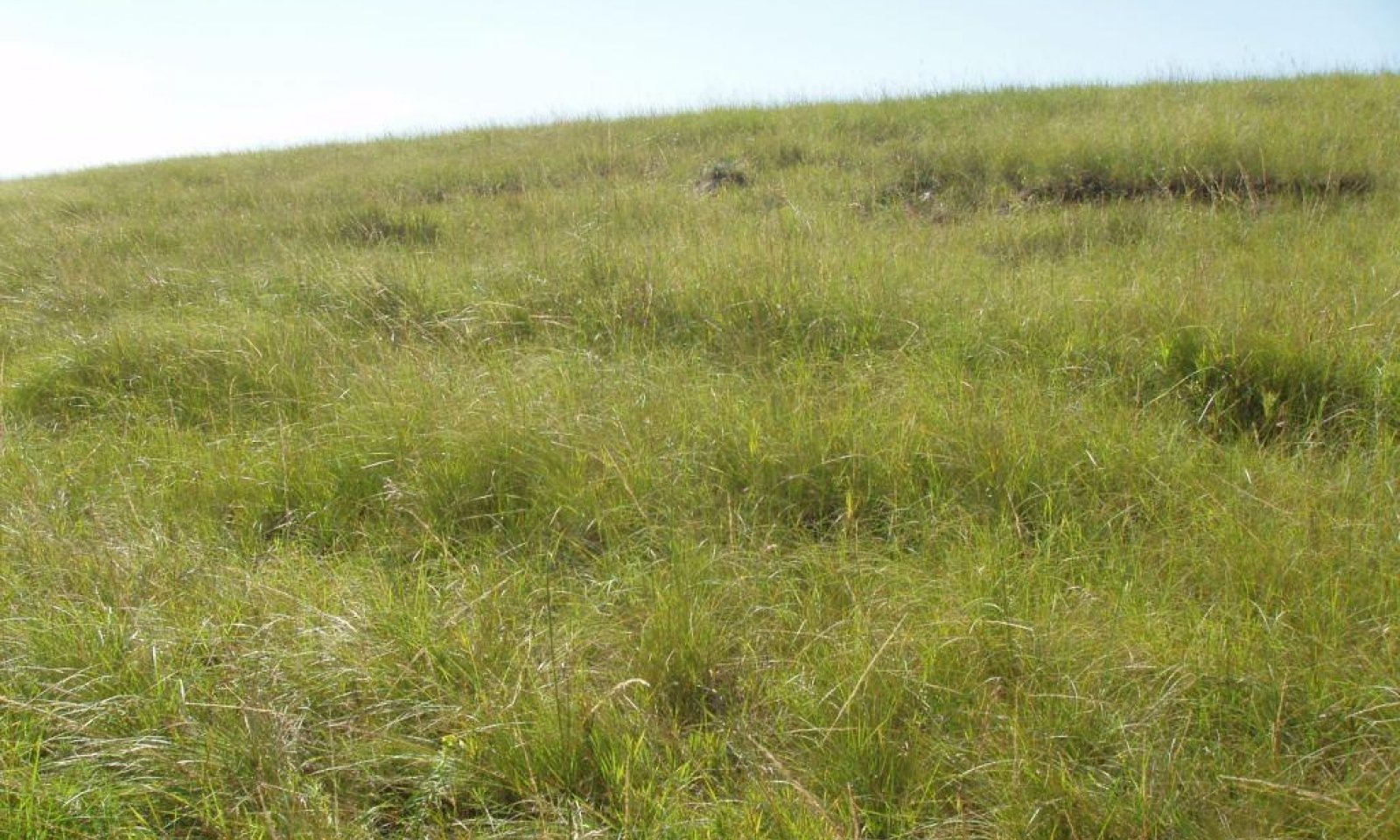
Figure 12. Typical vegetation associated with the Reference Community.
Interpretations are based primarily on the 1.1 Big Bluestem-Needle and Thread-Switchgrass Plant Community Phase. The potential vegetation was about 85 percent grasses or grass-like plants, 10 percent forbs, and five percent shrubs. The community was dominated by warm-season grasses, with cool-season grasses subdominant. The major grasses included big bluestem, sand bluestem (Andropogon hallii), prairie sandreed (Calamovilfa longifolia), little bluestem, needle and thread, and porcupinegrass. Other grass or grass-like species included sideoats grama, blue grama, threadleaf sedge (Carex filifolia), and Indiangrass. This plant community was resilient and well adapted to the Northern Great Plains climatic conditions. The diversity in plant species allowed for high tolerance to drought. This was a sustainable plant community in regards to site and soil stability, watershed function, and biologic integrity.
Figure 13. Annual production by plant type (representative values) or group (midpoint values)
Table 5. Annual production by plant type
Plant type Low
(lb/acre)Representative value
(lb/acre)High
(lb/acre)Grass/Grasslike 2280 3114 3895 Forb 155 263 410 Shrub/Vine 65 123 195 Total 2500 3500 4500 Figure 14. Plant community growth curve (percent production by month). SD0214 , Till Plains, warm-season dominant, cool-season subdominant.. Warm-season dominant, cool-season subdominant..
Jan Feb Mar Apr May Jun Jul Aug Sep Oct Nov Dec J F M A M J J A S O N D 0 0 3 7 17 25 25 15 7 1 0 0 Community 1.2
Little Bluestem-Needle and Thread-Threadleaf SedgeThis plant community evolved under heavy, continuous grazing or from over utilization during extended drought periods. The potential plant community was made up of approximately 80 percent grasses and grass-like species, 15 percent forbs, and five percent shrubs. Dominant grasses included needle and thread, prairie sandreed, little bluestem, threadleaf sedge, and blue grama. Grasses of secondary importance included sideoats grama, porcupinegrass, big bluestem, and sand dropseed (Sporobolus cryptandrus). Forbs commonly found in this plant community included cudweed sagewort (Artemisia ludoviciana), prairie coneflower (Ratibida columnifera), and western yarrow (Achillea millefolium). This plant community had similar plant composition to the 3.2 Little Bluestem-Needle and Thread-Kentucky Bluegrass Plant Community Phase. The main difference is that this plant community phase did not have the presence of non-native invasive species such as Kentucky bluegrass and smooth bromegrass.
When compared to the 1.1 Big Bluestem-Needle and Thread-Switchgrass Plant Community Phase, needle and thread, threadleaf sedge, and blue grama increased. Big bluestem and porcupinegrass decreased, and production of mid- and tall warm-season grasses was also reduced. This plant community was moderately resistant to change. The herbaceous species present were well adapted to grazing; however, species composition could be altered through long-term overgrazing. If the herbaceous component was intact, it tended to be resilient if the disturbance was not long-term.Figure 15. Plant community growth curve (percent production by month). SD0213 , Till Plains, cool-season/warm-season codominant.. Cool-season, warm-season codominant..
Jan Feb Mar Apr May Jun Jul Aug Sep Oct Nov Dec J F M A M J J A S O N D 0 0 3 10 20 28 21 10 5 3 0 0 Community 1.3
Big Bluestem-Switchgrass-IndiangrassThis plant community was a result of fire occurring at relatively frequent intervals (every 3 to 5 years). This phase could have also resulted from a combination of grazing events immediately following early season fire (i.e., large ungulates attracted to highly nutritious vegetative growth following a fire). These events would have caused a reduction in cool-season grasses and an increase in warm-season grasses. The warm-season grasses were more tolerant of shorter return intervals of fire and would have increased in vigor and production leading to a temporary shift to this phase. Needlegrasses would have decreased most significantly among the cool-season grasses. The potential vegetation was about 80 percent grasses or grass-like plants, 15 percent forbs, and five percent shrubs. The community was dominated by warm-season grasses. The major grasses included big bluestem, little bluestem, Indiangrass, switchgrass, prairie sandreed, and sideoats grama. Other grass or grass-like species included porcupinegrass, needle and thread, blue grama, and threadleaf sedge. This plant community was not resistant to change and would have readily shifted back to the 1.1 Big Bluestem-Needle and Thread-Switchgrass Plant Community Phase with a return of more normal fire return intervals.
Figure 16. Plant community growth curve (percent production by month). SD0215 , Till Plains, warm-season dominant.. Warm-season dominant..
Jan Feb Mar Apr May Jun Jul Aug Sep Oct Nov Dec J F M A M J J A S O N D 0 0 2 5 15 25 30 15 7 1 0 0 Pathway 1.1A
Community 1.1 to 1.2Heavy, continuous grazing which includes herbivory at moderate to heavy levels at the same time of year each year without adequate recovery periods, or during periods of below normal precipitation will shift this community to the 1.2 Little Bluestem-Needle and Thread-Threadleaf Sedge Plant Community Phase.
Pathway 1.1B
Community 1.1 to 1.3Prescribed burning occurring at relatively frequent intervals (every 3 to 5 years) and a return to normal disturbance regime levels, along with occasional grazing events immediately following early season fire caused a reduction in cool-season grasses and an increase in warm-season grasses. The warm-season grasses were more tolerant of shorter return intervals of fire, which would increase in vigor and production leading to a temporary shift to the 1.3 Big Bluestem-Switchgrass-Indiangrass Plant Community Phase.
Pathway 1.2A
Community 1.2 to 1.1Prescribed grazing, and/or prescribed burning occurring at relatively frequent intervals (every 3 to 5 years) and a return to normal disturbance regime levels and frequencies, or periodic light to moderate grazing possibly including periodic rest will convert this plant community to the 1.1 Big Bluestem-Needle and Thread-Switchgrass Plant Community Phase.
Pathway 1.3A
Community 1.3 to 1.1Prescribed grazing (alternating season of use and providing adequate recovery periods) or periodic light to moderate grazing possibly including periodic rest and/or prescribed burning occurring at relatively frequent intervals (every 3 to 5 years) and a return to normal disturbance regime levels may convert this plant community to the 1.1 Big Bluestem-Needle and Thread-Switchgrass Plant Community Phase.
State 2
Degraded StateThe Degraded State is the result of heavy, continuous grazing, and the absence of periodic fire due to fire suppression. This state is dominated by threadleaf sedge, scribner panicum, and blue grama. The blue grama can form a sod-like layer that effectively blocks introduction of other plants into the system. Taller warm-season species will decline and a corresponding increase in short statured grass will occur. Once the threshold is crossed, a change in grazing management alone cannot restore the degraded state.
Community 2.1
Threadleaf Sedge-Scribner Panicum-Blue GramaThis plant community evolved under heavy, continuous season grazing or from over utilization during extended drought periods. The potential plant community was made up of approximately 85 percent grasses and grass-like species, 10 percent forbs, and five percent shrubs. Dominant grasses typically included threadleaf sedge, Scribner panicum, and blue grama. Grasses of secondary importance included little bluestem and needle and thread. Forbs commonly found in this plant community included cudweed sagewort, green sagewort (Artemisia campestris), and western yarrow. This vegetation state was very resistant to change. The herbaceous species present were well adapted to grazing. This plant community was less productive than other phases. The thick sod prevented other species from getting established due to decreased infiltration and increased runoff.
Figure 17. Plant community growth curve (percent production by month). SD0213 , Till Plains, cool-season/warm-season codominant.. Cool-season, warm-season codominant..
Jan Feb Mar Apr May Jun Jul Aug Sep Oct Nov Dec J F M A M J J A S O N D 0 0 3 10 20 28 21 10 5 3 0 0 State 3
Native/Invaded StateThis state represents the range of variability that exists with higher levels of grazing management, but in the absence of periodic fire due to fire suppression. The Native/Invaded State is dominated by cool- and warm-season grasses. It can be found on areas that are properly managed with grazing and/or prescribed burning and sometimes on areas receiving occasional short periods of rest. Taller cool-season species can decline and a corresponding increase in short statured grass will occur.
Community 3.1
Big Bluestem-Needle and Thread-SwitchgrassThis plant community phase is similar to the 1.1 Big Bluestem-Needle and Thread-Switchgrass Plant Community Phase, but it also contains minor amounts of non-native invasive grass species such as Kentucky bluegrass and smooth bromegrass (up to about 15 percent by air-dry weight). The potential vegetation is about 85 percent grasses or grass-like plants, 10 percent forbs, and 5 percent shrubs. The community is dominated by warm-season grasses, with cool-season grasses subdominant. The major grasses include big bluestem, porcupinegrass, needleandthread, switchgrass, little bluestem, and prairie sandreed. Other grass or grass-like species include blue grama, threadleaf sedge, Indiangrass, sideoats grama, switchgrass, prairie dropseed, and Kentucky bluegrass. This plant community is resilient and well adapted to the Northern Great Plains climatic conditions. The diversity in plant species allows for high drought tolerance. This is a sustainable plant community in regards to site and soil stability, watershed function, and biologic integrity.
Figure 18. Plant community growth curve (percent production by month). SD0214 , Till Plains, warm-season dominant, cool-season subdominant.. Warm-season dominant, cool-season subdominant..
Jan Feb Mar Apr May Jun Jul Aug Sep Oct Nov Dec J F M A M J J A S O N D 0 0 3 7 17 25 25 15 7 1 0 0 Community 3.2
Little Bluestem-Needle and Thread-Kentucky BluegrassThis plant community is a result of heavy, continuous grazing, continuous season-long grazing or from over utilization during extended drought periods. The potential plant community is made up of approximately 80 percent grasses and grass-like species, 15 percent forbs, and five percent shrubs. Dominant grasses include little bluestem, needle and thread, Kentucky bluegrass, prairie sandreed, threadleaf sedge, and blue grama. Grasses of secondary importance include sideoats grama, porcupinegrass, and sand dropseed. Forbs commonly found in this plant community include cudweed sagewort, prairie coneflower, and western yarrow.
When compared to the 1.1 Big Bluestem-Needle and Thread-Switchgrass Plant Community Phase, threadleaf sedge, needle and thread, and blue grama have increased. Big bluestem, little bluestem, and porcupinegrass have decreased, and production of mid- and tall warm-season grasses has also been reduced. This plant community is moderately resistant to change. The herbaceous species present are well adapted to grazing; however, species composition can be altered through long-term overgrazing. If the herbaceous component is intact, it tends to be resilient if the disturbance is not long-term.Figure 19. Annual production by plant type (representative values) or group (midpoint values)
Table 6. Annual production by plant type
Plant type Low
(lb/acre)Representative value
(lb/acre)High
(lb/acre)Grass/Grasslike 1635 2249 2695 Forb 115 260 460 Shrub/Vine 50 91 145 Total 1800 2600 3300 Figure 20. Plant community growth curve (percent production by month). SD0213 , Till Plains, cool-season/warm-season codominant.. Cool-season, warm-season codominant..
Jan Feb Mar Apr May Jun Jul Aug Sep Oct Nov Dec J F M A M J J A S O N D 0 0 3 10 20 28 21 10 5 3 0 0 Pathway 3.1A
Community 3.1 to 3.2Heavy, continuous grazing which includes herbivory at moderate to heavy levels at the same time of year each year without adequate recovery periods, or during periods of below normal precipitation when grazing frequency and intensity increases on these sites will shift this community to the 3.2 Little Bluestem-Needle and Thread-Kentucky Bluegrass Plant Community Phase.
Pathway 3.2A
Community 3.2 to 3.1Prescribed grazing (alternating season of use and providing adequate recovery periods) or periodic light to moderate grazing will convert this plant community to the 3.1 Big Bluestem-Needle and Thread-Switchgrass Plant Community Phase.
State 4
Invaded StateThe Invaded State is the result of invasion and dominance by introduced species. This state is characterized by the dominance of Kentucky bluegrass and smooth bromegrass, and an increasing thatch layer that effectively blocks introduction of other plants into the system. Plant litter accumulation tends to favor the more shade tolerant introduced grass species. The nutrient cycle is also impaired and the result is typically a higher level of nitrogen which also favors the introduced species. Increasing plant litter decreases the amount of sunlight reaching plant crowns, thereby shifting competitive advantage to shade tolerant introduced grass species. Studies indicate that soil biological activity is altered, and this shift exploits the soil microclimate, encouraging growth of the introduced grass species. Once the threshold is crossed, a change in grazing management alone cannot cause a reduction in the invasive grass dominance. Preliminary studies indicate this threshold exists when Kentucky bluegrass exceeds 30 percent of the plant community and native grasses represent less than 40 percent of the composition.
Once the state is well established, even drastic events such as high intensity fires driven by high fuel loads of litter and thatch will not result in more than a very short term reduction of Kentucky bluegrass. These events may reduce the dominance of Kentucky bluegrass, but due to the large amount of rhizomes in the soil, there is no opportunity for the native species to establish before Kentucky bluegrass rebounds.Community 4.1
Smooth Bromegrass-Kentucky BluegrassThis plant community phase is a result of extended periods of nonuse and no fire. It is characterized by an abundance of smooth bromegrass and Kentucky bluegrass. The dominance is at times so complete that other species are difficult to find on the site. A thick duff layer also accumulates at or above the soil surface and eventually a thatch-mat layer may develop at the surface. Nutrient cycling is greatly reduced and native plants have great difficulty becoming established. When dominated by smooth bromegrass, infiltration is moderately reduced and runoff is moderate. Production can be equal to or higher than the interpretive plant community. However, when dominated by Kentucky bluegrass, infiltration is greatly reduced and runoff is high. Production in this case will likely be significantly less. In either case, the period that palatability is high is relatively short, as these cool-season species mature rapidly. Energy capture is also reduced.
Figure 21. Annual production by plant type (representative values) or group (midpoint values)
Table 7. Annual production by plant type
Plant type Low
(lb/acre)Representative value
(lb/acre)High
(lb/acre)Grass/Grasslike 2195 2848 3450 Forb 145 240 370 Shrub/Vine 60 112 180 Total 2400 3200 4000 Figure 22. Plant community growth curve (percent production by month). SD0211 , Till Plains, cool-season dominant.. Cool-season dominant..
Jan Feb Mar Apr May Jun Jul Aug Sep Oct Nov Dec J F M A M J J A S O N D 0 0 4 12 25 36 10 5 4 4 0 0 Community 4.2
Kentucky Bluegrass-Threadleaf SedgeThis plant community phase is a result of heavy, continuous seasonal grazing or heavy, continuous season-long grazing. It is characterized by a dominance of Kentucky bluegrass, threadleaf sedge, and blue grama. The dominance is at times so complete that other species are difficult to find on the site. A relatively thick duff layer can sometimes accumulate at or above the soil surface and a thatch-mat layer often develops at the surface. Nutrient cycling is greatly reduced and native plants have great difficulty becoming established. Infiltration is greatly reduced and runoff is high. Production will be significantly reduced when compared to the interpretive plant community. The period that palatability is high is relatively short as Kentucky bluegrass matures rapidly. Energy capture is also reduced. Biological activity in the soil is likely reduced significantly in this phase.
Figure 23. Annual production by plant type (representative values) or group (midpoint values)
Table 8. Annual production by plant type
Plant type Low
(lb/acre)Representative value
(lb/acre)High
(lb/acre)Grass/Grasslike 1090 1740 2345 Forb 95 200 345 Shrub/Vine 15 60 110 Total 1200 2000 2800 Figure 24. Plant community growth curve (percent production by month). SD0211 , Till Plains, cool-season dominant.. Cool-season dominant..
Jan Feb Mar Apr May Jun Jul Aug Sep Oct Nov Dec J F M A M J J A S O N D 0 0 4 12 25 36 10 5 4 4 0 0 Community 4.3
Annual Pioneer-Perennial PioneerThis plant community developed under continuous, heavy grazing or other excessive disturbances (e.g., heavy use areas, defoliation by rodents, etc.). The potential plant community is made up of approximately 40 to 80 percent grasses and grass-like species, 20 to 60 percent forbs, and zero to five percent shrubs. The species present in this phase are highly variable but often include non-native invasive and early seral species. Plant diversity is low (plant richness may be high but areas are often dominated by a few species). The ecological processes are difficult to restore because of the loss of plant diversity and overall soil disturbance. Soil erosion is potentially very high because of the bare ground and shallow rooted herbaceous plant community. Water runoff will increase and infiltration will decrease due to animal related soil compaction and loss of root mass due to low plant diversity and vigor. This plant community will require significant economic inputs and time to move towards another plant community. This movement is highly variable in its succession. This is due to the loss of diversity (including the loss of the seed bank), within the existing plant community, and the plant communities on adjacent sites.
Pathway 4.1A
Community 4.1 to 4.2Heavy, continuous grazing which includes herbivory at moderate to heavy levels at the same time of year each year without adequate recovery periods, or during periods of below normal precipitation will shift this community to the 4.2 Kentucky Bluegrass-Threadleaf Sedge Plant Community Phase.
Pathway 4.2A
Community 4.2 to 4.1Prescribed grazing (alternating season of use and providing adequate recovery periods) or periodic light to moderate grazing possibly including periodic rest will convert this plant community to the 4.1 Smooth Bromegrass-Kentucky Bluegrass Plant Community Phase.
Conservation practices
Prescribed Grazing Pathway 4.3A
Community 4.3 to 4.2This community pathway occurs with the passage of time as successional processes take place and perennial plants gradually begin to establish on the site again. This pathway will lead to the 4.2 Kentucky Bluegrass-Threadleaf Sedge Plant Community Phase.
Conservation practices
Integrated Pest Management (IPM) State 5
Conifer/Invaded StateThis state is dominated (canopy exceeds 20 percent of total surface area) by areas where trees have become established or have encroached onto the site due to the absence of periodic fire. This state is dominated by eastern redcedar and/or Rocky Mountain juniper with cool-season grasses being subdominant. The plant community can develop into a closed canopy that impedes the reproductive capability of the major native perennial grass species. A single eastern red cedar tree with a 7 foot crown diameter eliminates the equivalent of 3 pounds of forage. Further, the forage potential of a pasture with 250 mature eastern red cedar trees per acre (or one tree every thirteen feet) is reduce by 50 percent. It is suggested that reducing stocking rates by 10 percent for every 50 trees per acre. The increase in tree canopy which is a result of a disruption of the natural, and human related fire regimes that occurred prior to European settlement, which kept trees from encroaching much of the grasslands.
Community 5.1
Eastern Red Cedar-Rocky Mountain Juniper/NeedleandthreadThis plant community evolved due to the invasion of conifers, such as eastern red cedar and Rocky Mountain juniper. This phase was a result of the absence of periodic fire. These events may cause a reduction in warm-season grasses and an increase in cool-season grasses and allow for the encroachment of conifers. The potential plant community is made up of approximately 50 percent grasses and grass-like species, 10 percent forbs, 10 percent shrubs, and 30 percent trees. Dominant grasses and grass-likes include big bluestem, needleandthread, prairie sandreed, and switchgrass. As the canopy increases, warm-season grasses tend to decrease as the cool-season grasses increase. Forbs will be diverse.
Trees species will include eastern red cedar and Rocky Mountain juniper. When compared to the 1.1 Big Bluestem-Needleandthread-Switchgrass Plant Community, coniferous trees have increased significantly and herbaceous component has decreased. This plant community is susceptible to the encroachment of eastern red cedar and Rocky Mountain juniper.Community 5.2
Eastern Red Ceder-Rocky Mountain Juniper/Kentucky BluegrassThis plant community phase is a result of heavy, continuous seasonal grazing or heavy, continuous season-long grazing or non-use and/or no surface fire for extended periods of time (typically for 10 or more years). When compared to the 5.1 Eastern Red Cedar-Rocky Mountain Juniper/Needleandthread Plant Community, the amount of nonnative invasive cool-season grasses such as Kentucky bluegrass and smooth bromegrass have increased significantly.
It is characterized by a dominance of Kentucky bluegrass, smooth bromegrass, threadleaf sedge, and blue grama. The dominance of Kentucky bluegrass is at times so complete that other species are difficult to find on the site. A relatively thick duff layer can sometimes accumulate at or above the soil surface and a thatch-mat layer often develops at the surface. Production is limited to the sod forming species. The period that palatability is high is relatively short, as Kentucky bluegrass matures rapidly. Infiltration continues to decrease and runoff increases, energy capture into the system is restricted to early season low producing species. Nutrient cycling is limited by root depth of the dominate species. Biological activity in the soil is likely reduced significantly in this phase.Community 5.3
Eastern Red Cedar-Rocky Mountain JuniperThis plant community phase is a result of no surface fire for extended periods of time (typically for 10 or more years). Coniferous trees have increased significantly, and the herbaceous component has decreased. With the dominance of the coniferous trees such as eastern red cedar and Rocky Mountain juniper, the canopy covers the area and grass species are unable to survive. Grass production for livestock is severely limited. Prescribed burning before the juniper species reach maturity and are still susceptible to fire (< 5 foot in height), or mechanical brush management can be used to maintain or recover 5.3 Eastern Red Cedar-Rocky Mountain Juniper Plant Community Phase.
Pathway 5.1A
Community 5.1 to 5.2Non-use and/or no surface fire for extended periods of time (typically for 10 or more years) causing litter levels to become high enough to reduce native grass vigor, diversity, and density, and/or heavy continuous grazing or invasion of non-native plant species will shift this plant community to the 5.2 Eastern Red Cedar-Rocky Mountain Juniper/Kentucky Bluegrass Plant Community Phase.
Pathway 5.2A
Community 5.2 to 5.3no surface fire for extended periods of time (typically for 10 or more years) causing litter levels to become high enough to reduce native grass vigor, diversity, and density, will shift this plant community to the 5.3 Eastern Red Cedar-Rocky Mountain Juniper Plant Community Phase.
State 6
Crop Production StateThis state is characterized by the production of annual crops using a variety of tillage and cropping systems along with management practices. Cropping on this site is enabled during years with drier than normal precipitation or with artificial drainage (surface or subsurface).
Community 6.1
Annual cropsThis plant community developed with the use of a variety of tillage systems and cropping systems for the production of annual crops including corn, soybeans, wheat, and a variety of other crops.
Transition T1A
State 1 to 2Heavy, continuous grazing (stocking levels well above carrying capacity for extended portions of the growing season, and often at the same time of year each year, typically beginning early in the season) will convert this plant community to the 2.1 Threadleaf Sedge-Scribner Panicum-Blue Grama Plant Community Phase within the Short Grass Sod State (State 2).
Transition T1B
State 1 to 3Non-use and/or no surface fire for extended periods of time (typically for 10 or more years, causing litter levels to become high enough to reduce native grass vigor, diversity, and density), heavy, continuous grazing, or invasion of non-native plant species will lead this state over a threshold to the Native/Invaded State (State 3).
Transition T1C
State 1 to 5No surface fire for extended periods of time (typically for 10 or more years causing litter levels to become high enough to reduce native grass vigor, diversity, and density) and invasion of conifer will move this state to the 5.1 Eastern Red Cedar-Rocky Mountain Juniper/Needle and Thread Plant Community Phase within the Conifer/Invaded State (State 5).
Transition T1D
State 1 to 6Tillage will cause a shift over a threshold to the 6.1 Annual Crops Plant Community Phase within the Crop Production State (State 6).
Transition T2A
State 2 to 6Tillage will cause a shift over a threshold leading to the 6.1 Annual Crops Plant Community Phase within the Crop Production State (State 6).
Transition T3A and T3B
State 3 to 4Non-use and/or no surface fire for extended periods of time (typically for 10 or more years causing litter levels to become high enough to reduce native grass vigor, diversity, and density) will move this state over a threshold to the 4.1 Smooth Bromegrass-Kentucky Bluegrass Community Phase within the Invaded State (State 4). Heavy, continuous grazing (stocking levels well above carrying capacity for extended portions of the growing season and often at the same time of year each year), will move this state over a threshold to the 4.2 Kentucky Bluegrass-Threadleaf Sedge Community Phase within the Invaded State (State 4). Grazing repeatedly in the early growing season can expedite this shift by causing mechanical disturbance due to trampling.
Transition T3C
State 3 to 6Tillage will cause a shift over a threshold leading to the 6.1 Annual Crops Plant Community Phase within the Crop Production State (State 6).
Restoration pathway T4A
State 4 to 3Long-term prescribed grazing (moderate stocking levels coupled with adequate recovery periods, or other grazing systems such as high-density, low-frequency intended to treat specific species dominance, or periodic light to moderate stocking levels possibly including periodic rest) coupled with prescribed burning occurring at relatively frequent intervals (3 to 5 years) and a return to normal disturbance regime levels may lead this plant community phase over a threshold to the Native/Invaded State (State 3).
Conservation practices
Prescribed Grazing Transition T4C
State 4 to 5No surface fire for extended periods of time (typically for 10 or more years) causing litter levels to become high enough to reduce native grass vigor, diversity, and density, and invasion of conifer will likely lead this state over a threshold leading to the 5.2 Eastern Red Cedar-Rocky Mountain Juniper/Kentucky Bluegrass Plant Community Phase within the Conifer/Invaded State (State 5).
Transition T4B
State 4 to 6Tillage will cause a shift over a threshold leading to the 6.1 Annual Crops Plant Community Phase within the Crop Production State (State 6).
Restoration pathway T5A
State 5 to 1Brush management which would include the mechanical removal of the conifers, coupled with prescribed burning occurring at relatively frequent intervals (3 to 5 years) and a return to normal disturbance regime levels may lead this 5.1 Eastern Red Cedar-Rocky Mountain Juniper/Needleandthread Plant Community Phase within the Conifer/Invaded State (State 5) over a threshold to the Reference State (State 1).
Restoration pathway T5B and T5D
State 5 to 3Brush management which would include the mechanical removal of the conifers, coupled with prescribed burning occurring at relatively frequent intervals (3 to 5 years) and a return to normal disturbance regime levels may lead this 5.2 Eastern Red Cedar-Rocky Mountain Juniper/Kentucky Bluegrass Plant Community Phase within the Conifer/Invaded State (State 5) over a threshold to the Native/Invaded State (State 3). Brush management which would include the mechanical removal of the conifers, coupled with prescribed burning occurring at relatively frequent intervals (3 to 5 years) and a return to normal disturbance regime levels may lead this 5.3 Eastern Red Cedar-Rocky Mountain Juniper Plant Community Phase within the Conifer/Invaded State (State 5) over a threshold to the Native/Invaded State (State 3).
Restoration pathway T5C
State 5 to 4Brush management which would include the mechanical removal of the conifers may lead this 5.2 Eastern Red Cedar-Rocky Mountain Juniper/Kentucky Bluegrass Plant Community Phase within the Conifer/Invaded State (State 5) over a threshold to the Invaded State (State 4).
Transition T5E
State 5 to 6Brush management which would include the mechanical removal of the conifers, coupled with tillage will cause a shift over a threshold leading to the 6.1 Annual Crops Plant Community Phase within the Crop Production State (State 6).
Restoration pathway T6A
State 6 to 3Seeding may lead this Crop Production State (State 6) over a threshold to the Native/Invaded State (State 3).
Restoration pathway T6B and T6C
State 6 to 4Seeding may lead this Crop Production State (State 6) over a threshold to the Invaded State (State 4). Cropping followed by abandonment may lead this plant community phase over a threshold to the Invaded State (State 4) and more specifically to the 4.3 Annual Pioneer-Perennial Pioneer Plant Community Phase.
Additional community tables
Table 9. Community 1.1 plant community composition
Group Common name Symbol Scientific name Annual production () Foliar cover (%) Grass/Grasslike1 Tall Warm-season Grasses 700–1925 big bluestem ANGE Andropogon gerardii 350–1225 – sand bluestem ANHA Andropogon hallii 0–700 – prairie sandreed CALO Calamovilfa longifolia 105–525 – switchgrass PAVI2 Panicum virgatum 175–525 – Indiangrass SONU2 Sorghastrum nutans 35–350 – 2 Mid Warm-season Grasses 350–700 little bluestem SCSC Schizachyrium scoparium 175–700 – prairie dropseed SPHE Sporobolus heterolepis 0–175 – sideoats grama BOCU Bouteloua curtipendula 35–175 – 3 Cool-season Bunchgrasses 175–525 needle and thread HECOC8 Hesperostipa comata ssp. comata 70–525 – porcupinegrass HESP11 Hesperostipa spartea 70–525 – Canada wildrye ELCA4 Elymus canadensis 0–105 – 4 Short Warm-season Grasses 70–175 blue grama BOGR2 Bouteloua gracilis 35–175 – hairy grama BOHI2 Bouteloua hirsuta 0–105 – sand dropseed SPCR Sporobolus cryptandrus 35–70 – thin paspalum PASE5 Paspalum setaceum 0–35 – threeawn ARIST Aristida 0–35 – 5 Other Native Grasses 35–175 Graminoid (grass or grass-like) 2GRAM Graminoid (grass or grass-like) 0–175 – Scribner's rosette grass DIOLS Dichanthelium oligosanthes var. scribnerianum 0–105 – fall rosette grass DIWI5 Dichanthelium wilcoxianum 0–105 – prairie Junegrass KOMA Koeleria macrantha 35–105 – 6 Grass-likes 35–175 Grass-like (not a true grass) 2GL Grass-like (not a true grass) 0–175 – threadleaf sedge CAFI Carex filifolia 35–175 – Forb7 Forbs 175–350 Forb, native 2FN Forb, native 35–140 – field sagewort ARCA12 Artemisia campestris 0–70 – white sagebrush ARLU Artemisia ludoviciana 35–70 – purple prairie clover DAPU5 Dalea purpurea 35–70 – stiff sunflower HEPA19 Helianthus pauciflorus 35–70 – blazing star LIATR Liatris 35–70 – Nuttall's sensitive-briar MINU6 Mimosa nuttallii 35–70 – western marbleseed ONBEO Onosmodium bejariense var. occidentale 0–70 – scurfpea PSORA2 Psoralidium 35–70 – upright prairie coneflower RACO3 Ratibida columnifera 35–70 – blackeyed Susan RUHI2 Rudbeckia hirta 0–70 – goldenrod SOLID Solidago 35–70 – white heath aster SYER Symphyotrichum ericoides 35–70 – American vetch VIAM Vicia americana 35–70 – purple locoweed OXLA3 Oxytropis lambertii 0–35 – beardtongue PENST Penstemon 0–35 – ticktrefoil DESMO Desmodium 0–35 – blacksamson echinacea ECAN2 Echinacea angustifolia 0–35 – prairie fleabane ERST3 Erigeron strigosus 0–35 – sand milkweed ASAR Asclepias arenaria 0–35 – milkvetch ASTRA Astragalus 0–35 – wavyleaf thistle CIUN Cirsium undulatum 0–35 – western yarrow ACMIO Achillea millefolium var. occidentalis 0–35 – ragweed AMBRO Ambrosia 0–35 – Shrub/Vine8 Shrubs 70–175 leadplant AMCA6 Amorpha canescens 35–140 – Shrub (>.5m) 2SHRUB Shrub (>.5m) 0–105 – prairie sagewort ARFR4 Artemisia frigida 0–70 – rose ROSA5 Rosa 35–70 – snowberry SYMPH Symphoricarpos 0–70 – Table 10. Community 1.2 plant community composition
Group Common name Symbol Scientific name Annual production () Foliar cover (%) Table 11. Community 1.3 plant community composition
Group Common name Symbol Scientific name Annual production () Foliar cover (%) Table 12. Community 2.1 plant community composition
Group Common name Symbol Scientific name Annual production () Foliar cover (%) Table 13. Community 3.1 plant community composition
Group Common name Symbol Scientific name Annual production () Foliar cover (%) Table 14. Community 3.2 plant community composition
Group Common name Symbol Scientific name Annual production () Foliar cover (%) Grass/Grasslike1 Tall Warm-season Grasses 52–390 big bluestem ANGE Andropogon gerardii 0–260 – prairie sandreed CALO Calamovilfa longifolia 0–208 – sand bluestem ANHA Andropogon hallii 0–78 – switchgrass PAVI2 Panicum virgatum 0–52 – 2 Mid Warm-season Grasses 130–650 little bluestem SCSC Schizachyrium scoparium 130–650 – sideoats grama BOCU Bouteloua curtipendula 0–52 – prairie dropseed SPHE Sporobolus heterolepis 0–26 – 3 Cool-season Bunchgrasses 130–520 needle and thread HECOC8 Hesperostipa comata ssp. comata 130–520 – porcupinegrass HESP11 Hesperostipa spartea 0–130 – 4 Short Warm-season Grasses 78–260 blue grama BOGR2 Bouteloua gracilis 52–260 – hairy grama BOHI2 Bouteloua hirsuta 0–130 – sand dropseed SPCR Sporobolus cryptandrus 26–104 – threeawn ARIST Aristida 0–104 – 5 Other Native Grasses 26–130 Graminoid (grass or grass-like) 2GRAM Graminoid (grass or grass-like) 0–130 – Scribner's rosette grass DIOLS Dichanthelium oligosanthes var. scribnerianum 0–104 – fall rosette grass DIWI5 Dichanthelium wilcoxianum 0–104 – prairie Junegrass KOMA Koeleria macrantha 26–52 – 6 Grass-likes 52–260 threadleaf sedge CAFI Carex filifolia 52–208 – Grass-like (not a true grass) 2GL Grass-like (not a true grass) 0–130 – 7 Non-Native Grasses 130–390 Kentucky bluegrass POPR Poa pratensis 130–390 – smooth brome BRIN2 Bromus inermis 0–156 – Forb8 Forbs 130–390 field sagewort ARCA12 Artemisia campestris 26–130 – white sagebrush ARLU Artemisia ludoviciana 26–104 – goldenrod SOLID Solidago 26–104 – white heath aster SYER Symphyotrichum ericoides 26–104 – Forb, introduced 2FI Forb, introduced 26–104 – Forb, native 2FN Forb, native 0–78 – scurfpea PSORA2 Psoralidium 26–78 – ragweed AMBRO Ambrosia 26–78 – western yarrow ACMIO Achillea millefolium var. occidentalis 26–52 – upright prairie coneflower RACO3 Ratibida columnifera 0–26 – American vetch VIAM Vicia americana 0–26 – milkvetch ASTRA Astragalus 0–26 – wavyleaf thistle CIUN Cirsium undulatum 0–26 – purple prairie clover DAPU5 Dalea purpurea 0–26 – stiff sunflower HEPA19 Helianthus pauciflorus 0–26 – blazing star LIATR Liatris 0–26 – Nuttall's sensitive-briar MINU6 Mimosa nuttallii 0–26 – western marbleseed ONBEO Onosmodium bejariense var. occidentale 0–26 – purple locoweed OXLA3 Oxytropis lambertii 0–26 – Shrub/Vine9 Shrubs 52–130 prairie sagewort ARFR4 Artemisia frigida 26–104 – snowberry SYMPH Symphoricarpos 0–78 – rose ROSA5 Rosa 26–52 – Shrub (>.5m) 2SHRUB Shrub (>.5m) 0–52 – leadplant AMCA6 Amorpha canescens 0–26 – Table 15. Community 4.1 plant community composition
Group Common name Symbol Scientific name Annual production () Foliar cover (%) Grass/Grasslike1 Mid Warm-season Grasses 0–160 little bluestem SCSC Schizachyrium scoparium 0–160 – sideoats grama BOCU Bouteloua curtipendula 0–32 – 2 Cool-season Bunchgrasses 0–320 needle and thread HECOC8 Hesperostipa comata ssp. comata 0–320 – 3 Short Warm-season Grasses 32–160 sand dropseed SPCR Sporobolus cryptandrus 32–160 – blue grama BOGR2 Bouteloua gracilis 0–128 – threeawn ARIST Aristida 0–96 – 4 Other Native Grasses 0–160 Graminoid (grass or grass-like) 2GRAM Graminoid (grass or grass-like) 0–128 – Scribner's rosette grass DIOLS Dichanthelium oligosanthes var. scribnerianum 0–64 – fall rosette grass DIWI5 Dichanthelium wilcoxianum 0–64 – prairie Junegrass KOMA Koeleria macrantha 0–64 – 5 Grass-likes 0–160 threadleaf sedge CAFI Carex filifolia 0–160 – Grass-like (not a true grass) 2GL Grass-like (not a true grass) 0–96 – 6 Non-Native Grasses 960–2400 smooth brome BRIN2 Bromus inermis 320–1920 – Kentucky bluegrass POPR Poa pratensis 320–1600 – Forb7 Forbs 160–320 Forb, introduced 2FI Forb, introduced 32–192 – ragweed AMBRO Ambrosia 32–128 – field sagewort ARCA12 Artemisia campestris 0–96 – white sagebrush ARLU Artemisia ludoviciana 32–96 – goldenrod SOLID Solidago 32–96 – white heath aster SYER Symphyotrichum ericoides 32–96 – Forb, native 2FN Forb, native 0–64 – western yarrow ACMIO Achillea millefolium var. occidentalis 0–64 – scurfpea PSORA2 Psoralidium 0–64 – wavyleaf thistle CIUN Cirsium undulatum 0–32 – Shrub/Vine8 Shrubs 64–160 snowberry SYMPH Symphoricarpos 32–160 – Shrub (>.5m) 2SHRUB Shrub (>.5m) 0–64 – prairie sagewort ARFR4 Artemisia frigida 0–64 – rose ROSA5 Rosa 32–64 – Table 16. Community 4.2 plant community composition
Group Common name Symbol Scientific name Annual production () Foliar cover (%) Grass/Grasslike1 Mid Warm-season Grasses 0–60 little bluestem SCSC Schizachyrium scoparium 0–60 – 2 Cool-season Bunchgrasses 0–100 needle and thread HECOC8 Hesperostipa comata ssp. comata 0–100 – 3 Short Warm-season Grasses 100–300 blue grama BOGR2 Bouteloua gracilis 40–300 – threeawn ARIST Aristida 0–100 – sand dropseed SPCR Sporobolus cryptandrus 20–100 – hairy grama BOHI2 Bouteloua hirsuta 0–60 – 4 Other Native Grasses 40–140 Scribner's rosette grass DIOLS Dichanthelium oligosanthes var. scribnerianum 20–140 – fall rosette grass DIWI5 Dichanthelium wilcoxianum 0–140 – Graminoid (grass or grass-like) 2GRAM Graminoid (grass or grass-like) 0–100 – prairie Junegrass KOMA Koeleria macrantha 0–20 – 5 Grass-likes 100–400 threadleaf sedge CAFI Carex filifolia 100–400 – Grass-like (not a true grass) 2GL Grass-like (not a true grass) 0–160 – 6 Non-Native Grasses 400–1000 Kentucky bluegrass POPR Poa pratensis 300–1000 – smooth brome BRIN2 Bromus inermis 0–160 – Forb7 Forbs 100–300 Forb, introduced 2FI Forb, introduced 20–160 – field sagewort ARCA12 Artemisia campestris 20–140 – white sagebrush ARLU Artemisia ludoviciana 20–100 – goldenrod SOLID Solidago 20–100 – ragweed AMBRO Ambrosia 20–100 – western yarrow ACMIO Achillea millefolium var. occidentalis 20–60 – white heath aster SYER Symphyotrichum ericoides 20–60 – Forb, native 2FN Forb, native 0–40 – scurfpea PSORA2 Psoralidium 0–20 – Shrub/Vine8 Shrubs 20–100 prairie sagewort ARFR4 Artemisia frigida 20–100 – snowberry SYMPH Symphoricarpos 0–40 – rose ROSA5 Rosa 0–20 – Shrub (>.5m) 2SHRUB Shrub (>.5m) 0–20 – Table 17. Community 4.3 plant community composition
Group Common name Symbol Scientific name Annual production () Foliar cover (%) Table 18. Community 5.1 plant community composition
Group Common name Symbol Scientific name Annual production () Foliar cover (%) Table 19. Community 5.2 plant community composition
Group Common name Symbol Scientific name Annual production () Foliar cover (%) Table 20. Community 5.3 plant community composition
Group Common name Symbol Scientific name Annual production () Foliar cover (%) Table 21. Community 6.1 plant community composition
Group Common name Symbol Scientific name Annual production () Foliar cover (%) Interpretations
Animal community
The following table lists annual, suggested initial stocking rates with average growing conditions. These are conservative estimates that should be used only as guidelines in the initial stages of conservation planning. Often, the current plant composition does not entirely match any particular plant community (as described in this ES description). Because of this, a resource inventory is necessary to document plant composition and production. More accurate carrying capacity estimates should eventually be calculated using the following stocking rate information along with animal preference data and actual stocking records, particularly when grazers other than cattle are involved. With consultation of the land manager, more intensive grazing management may result in improved harvest efficiencies and increased carrying capacity. Stocking rates are calculated using Animal-Unit-Month (AUM), which is the amount of air-dry forage required to feed a cow, with or without calf, for one month.
Bluestem/Needlegrass/Switchgrass (1.1 & 3.1)
Average Annual Production (lbs./acre, air-dry): 3,500
Stocking Rate* (AUM/acre): 0.96
Little Bluestem/Needleandthread/Kentucky Bluegrass (3.2)
Average Annual Production (lbs./acre, air-dry): 2,600
Stocking Rate* (AUM/acre): 0.71
Smooth Bromegrass/Kentucky Bluegrass (4.1)
Average Annual Production (lbs./acre, air-dry): 3,200
Stocking Rate* (AUM/acre): 0.88
Kentucky Bluegrass/Sedge (4.2)
Average Annual Production (lbs./acre, air-dry): 2,000
Stocking Rate* (AUM/acre): 0.55
Annual/Pioneer, Non-Native Perennial (4.3)
Average Annual Production (lbs./acre, air-dry): 1,000
Stocking Rate* (AUM/acre): 0.27
*Based on 912 lbs./acre (air-dry weight) per Animal Unit Month (AUM), and on 25 percent harvest efficiency (refer to United States Department of Agriculture (USDA) Natural Resources Conservation Service (NRCS), National Range and Pasture Handbook).
Grazing by domestic livestock is one of the major income-producing industries in the area. Rangeland, in this area, may provide yearlong forage. During the dormant period, the forage for livestock will likely be lacking protein to meet livestock requirements and added protein will allow ruminants to better utilize the energy stored in grazed plant materials. A forage quality test (either directly or through fecal sampling) should be used to determine the level of supplementation needed.Hydrological functions
Water is the principal factor limiting forage production on this site. This site is dominated by soils in hydrologic group B, with some soils in hydrologic group A. Infiltration and runoff potential for this site varies from moderate to high depending on soil hydrologic group, slope and ground cover. In many cases, areas with greater than 75 percent ground cover have the greatest potential for high infiltration and lower runoff. An example of an exception would be an area where shortgrasses form a strong sod and dominate the site. Dominance by blue grama, bluegrass, or smooth bromegrass will result in reduced infiltration and increased runoff. Areas where ground cover is less than 50 percent have the greatest potential to have reduced infiltration and higher runoff (refer to Section 4, NRCS National Engineering Handbook for runoff quantities and hydrologic curves).
Recreational uses
This site provides hunting, hiking, photography, bird watching and other opportunities. The wide variety of plants that bloom from spring until fall have an aesthetic value that appeals to visitors.
Wood products
No appreciable wood products are typically present on this site.
Other products
Seed harvest of native plant species can provide additional income on this site.
Other information
Ecological Site Correlation Issues and Questions:
• Reference and alternative states within the state and transition model are may not be fully documented and may require additional field sampling for refinement.Supporting information
Inventory data references
There is no NRCS clipping data and other inventory currently available for this site. Information presented here has been derived using field observations from range-trained personnel. Those involved in developing this site include: Stan Boltz, Range Management Specialist, NRCS; and Bruce Kunze, Soil Scientist, NRCS. Data Source Sample Period State County None
Other references
Cleland, D.T., J.A. Freeouf, J.E. Keys, G.J. Nowacki, C. Carpenter, and W.H. McNab. 2007. Ecological Subregions: sections and subsections of the coterminous United States. USDA Forest Service, General Technical Report WO-76. Washington, DC.
Gilbert, M.C., Whited, P.M., Clairain Jr, E.J., & Smith, R.D. 2006. A Regional Guidebook for Applying the Hydrogeomorphic Approach to Assessing Wetland Functions of Prairie Potholes. Washington, DC.
Samson, F.B., & Knopf, F.L. 1996. Prairie Conservation Preserving North America's Most Endangered Ecosystem. Washington, DC: Island Press.
Soil Survey Staff, Natural Resources Conservation Service, United States Department of Agriculture. Official Soil Series Descriptions. Available online. Accessed March 2018.
United States Department of Agriculture Natural Resource Conservation Service (USDA-NRCS). 2003. National Range and Pasture Handbook, Revision 1. Grazing Lands Technology Institute. 214.
United States Department of Agriculture – Natural Resource Conservation Service (USDA-NRCS). 2006. Land Resource Regions and Major Land Resource Areas of the United States, the Caribbean, and the Pacific Basin. U.S. Department of Agriculture Handbook 296.
USDA, NRCS. 2018. The PLANTS Database (http://plants.usda.gov, accessed 27 March 2018). National Plant Data Team.
U.S. Environmental Protection Agency [EPA]. 2013. Level III and Level IV Ecoregions of the Continental United States. Corvallis, OR, U.S. EPA, National Health and Environmental Effects Research Laboratory, map scale 1:3,000,000. Available at http://www.epa.gov/eco-research/level-iii-and-iv-ecoregions- continental-united-states. (Accessed 1 March 2018).
High Plains Regional Climate Center, University of Nebraska, Lincoln, NE. http://www.hprcc.unl.edu/
USDA, NRCS. National Water and Climate Center, Portland, OR. http://wcc.nrcs.usda.gov
USDA, NRCS. National Soil Information System, Information Technology Center, Fort Collins, CO. http://nasis.nrcs.usda.govContributors
Megan Baxter
Stan BoltzApproval
Suzanne Mayne-Kinney, 2/01/2024
Acknowledgments
Contact for Lead Authors: Natural Resources Conservation Service (USDA-NRCS), Redfield Soil Survey Office, Redfield, SD & Stanton Soil Survey Office, Stanton, NE; Lance Howe (Lance.Howe@usda.gov), Soil Survey Office Leader, USDA-NRCS, Redfield, SD; Steve Winter (Steven.Winter@usda.gov), Soil Scientist, USDA-NRCS, Redfield, SD; and Greg Clark (Greg.Clark@usda.gov), Soil Survey Office Leader, USDA-NRCS, Stanton, NE. Additional Information Acknowledgment: Jason Hermann (Jason.Hermann@usda.gov), Area Rangeland Management Specialist, USDA-NRCS, Redfield, SD. This Provisional Ecological Site concept has passed both Quality Control and Quality Assurance processes. It was officially approved for publication by David Kraft as of 11/12/2020. Non-discrimination Statement In accordance with Federal civil rights law and U.S. Department of Agriculture (USDA) civil rights regulations and policies, the USDA, its Agencies, offices, and employees, and institutions participating in or administering USDA programs are prohibited from discriminating based on race, color, national origin, religion, sex, gender identity (including gender expression), sexual orientation, disability, age, marital status, family/parental status, income derived from a public assistance program, political beliefs, or reprisal or retaliation for prior civil rights activity, in any program or activity conducted or funded by USDA (not all bases apply to all programs). Remedies and complaint filing deadlines vary by program or incident. Persons with disabilities who require alternative means of communication for program information (e.g., Braille, large print, audiotape, American Sign Language, etc.) should contact the responsible Agency or USDA's TARGET Center at (202) 720-2600 (voice and TTY) or contact USDA through the Federal Relay Service at (800) 877-8339. Additionally, program information may be made available in languages other than English. To file a program discrimination complaint, complete the USDA Program Discrimination Complaint Form, AD-3027, available online and at any USDA office, or write a letter addressed to USDA and provide in the letter all of the information requested in the form. To request a copy of the complaint form, call (866) 632- 9992. Submit your completed form or letter to USDA by: (1) mail: U.S. Department of Agriculture, Office of the Assistant Secretary for Civil Rights, 1400 Independence Avenue, SW, Washington, D.C. 20250-9410; (2) fax: (202) 690-7442; or (3) email: program.intake@usda.gov.
Rangeland health reference sheet
Interpreting Indicators of Rangeland Health is a qualitative assessment protocol used to determine ecosystem condition based on benchmark characteristics described in the Reference Sheet. A suite of 17 (or more) indicators are typically considered in an assessment. The ecological site(s) representative of an assessment location must be known prior to applying the protocol and must be verified based on soils and climate. Current plant community cannot be used to identify the ecological site.
Author(s)/participant(s) David Schmidt, Tim Nordquist, Stan Boltz Contact for lead author Date 12/07/2004 Approved by Approval date Composition (Indicators 10 and 12) based on Annual Production Indicators
-
Number and extent of rills:
Rills should not be present. -
Presence of water flow patterns:
Barely observable. -
Number and height of erosional pedestals or terracettes:
Essentially non-existent. -
Bare ground from Ecological Site Description or other studies (rock, litter, lichen, moss, plant canopy are not bare ground):
Bare ground less than 5% and less than 2 inches in diameter. -
Number of gullies and erosion associated with gullies:
Active gullies should not be present. -
Extent of wind scoured, blowouts and/or depositional areas:
None. -
Amount of litter movement (describe size and distance expected to travel):
Little to no plant litter movement. Plant litter remains in place and is not moved by erosional forces. -
Soil surface (top few mm) resistance to erosion (stability values are averages - most sites will show a range of values):
Stability class usually 5-6. Typically high root content. Soil surface is very resistant to erosion. -
Soil surface structure and SOM content (include type of structure and A-horizon color and thickness):
Use soil series description for depth and color of A-horizon. -
Effect of community phase composition (relative proportion of different functional groups) and spatial distribution on infiltration and runoff:
Healthy, deep rooted native grasses enhance infiltration and reduce runoff. -
Presence and thickness of compaction layer (usually none; describe soil profile features which may be mistaken for compaction on this site):
No compaction layer should be evident. -
Functional/Structural Groups (list in order of descending dominance by above-ground annual-production or live foliar cover using symbols: >>, >, = to indicate much greater than, greater than, and equal to):
Dominant:
Tall warm-season rhizomatous grass >>Sub-dominant:
Mid warm-season grasses > mid and tall cool-season bunchgrasses >Other:
Forbs > short warm-season grasses = short grass-like species = shrubs > short cool-season grassesAdditional:
Due to differing root structure and distribution, Kentucky bluegrass and smooth bromegrass do not fit into reference plant community F/S groups. -
Amount of plant mortality and decadence (include which functional groups are expected to show mortality or decadence):
Very little to no evidence of decadence or mortality. -
Average percent litter cover (%) and depth ( in):
70-80%, roughly 0.5 inch thick or less. Litter cover is in contact with soil surface. -
Expected annual annual-production (this is TOTAL above-ground annual-production, not just forage annual-production):
Production ranges from 2,500-4,500 lbs./acre (air-dry weight). Reference value production is 3,500 lbs./acre (air-dry weight). -
Potential invasive (including noxious) species (native and non-native). List species which BOTH characterize degraded states and have the potential to become a dominant or co-dominant species on the ecological site if their future establishment and growth is not actively controlled by management interventions. Species that become dominant for only one to several years (e.g., short-term response to drought or wildfire) are not invasive plants. Note that unlike other indicators, we are describing what is NOT expected in the reference state for the ecological site:
Refer to State and Local Noxious Weed List, also Kentucky bluegrass, smooth bromegrass -
Perennial plant reproductive capability:
All species are capable of reproducing.
Print Options
Sections
Font
AAAAOther
PrintThe Ecosystem Dynamics Interpretive Tool is an information system framework developed by the USDA-ARS Jornada Experimental Range, USDA Natural Resources Conservation Service, and New Mexico State University.
Accessibility statement


