


Natural Resources
Conservation Service
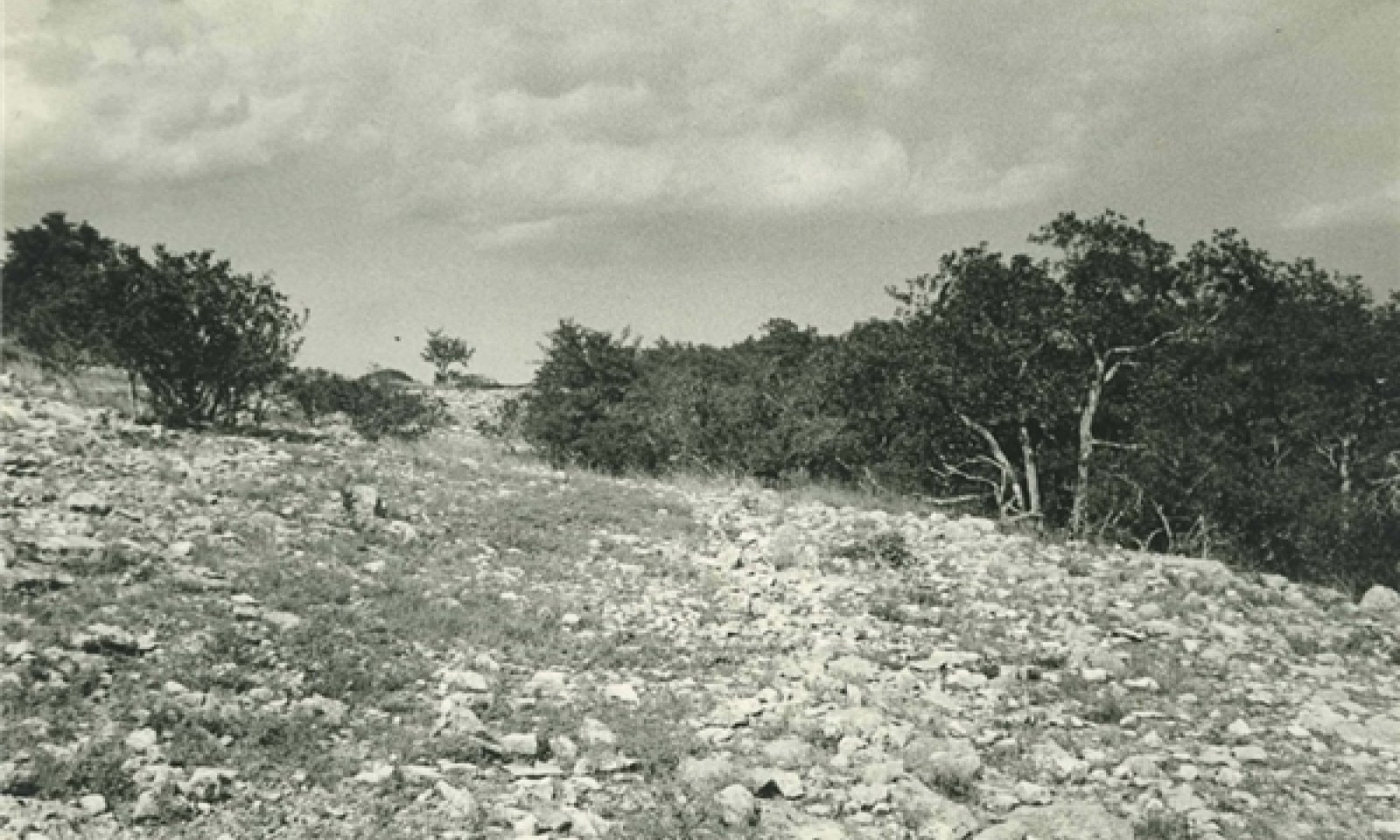
Steep Rocky 29-35 PZ

Scenario model
Current ecosystem state
Select a state
Management practices/drivers
Select a transition or restoration pathway
-
Transition T1A
Absence of wildfire and natural regeneration overtime. Maybe be coupled with prolonged excessive grazing.
More details -
Transition T1B
Absence of wildfire coupled with prolonged excessive grazing pressure
More details -
Restoration pathway R2A
Reintroduction of disturbance
More details -
No transition or restoration pathway between the selected states has been described
Target ecosystem state
Select a state
State 1
Reference
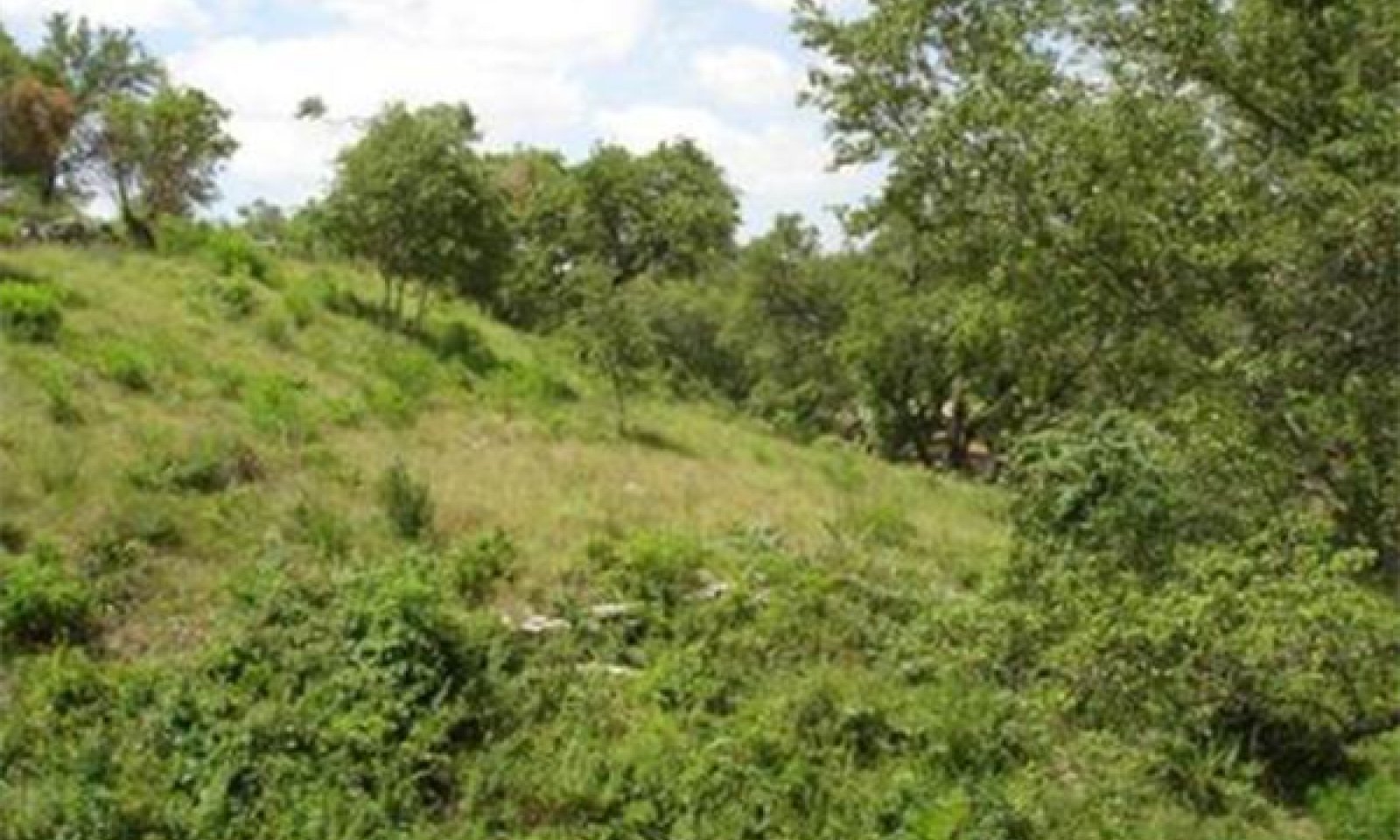
Reference

Description
The reference state is considered to be representative of the range of variability under pre-Euro settlement conditions. This state is characterized by a mixture of woody species with an understory of midgrasses and forbs. Community phase changes are primarily driven by wildfire and climatic fluctuations.
Dominant plant species
Texas live oak (Quercus fusiformis), tree
Texas red oak (Quercus buckleyi), tree
Texas kidneywood (Eysenhardtia texana), shrub
little bluestem (Schizachyrium scoparium), grass
Submodel
State 2
Juniper/Oak Woodland State
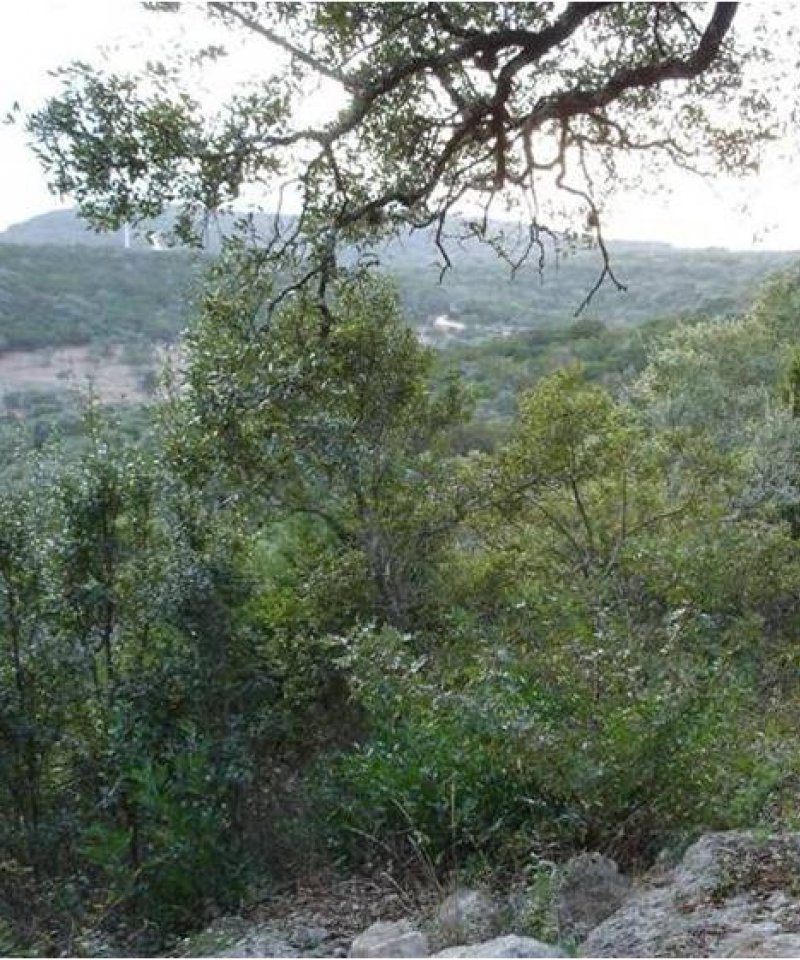
Juniper/Oak Woodland State


Dominant plant species
Ashe's juniper (Juniperus ashei), tree
Texas live oak (Quercus fusiformis), tree
algerita (Mahonia trifoliolata), shrub
Texas persimmon (Diospyros texana), shrub
Submodel
Dominant plant species
Texas persimmon (Diospyros texana), shrub
lotebush (Ziziphus obtusifolia), shrub
algerita (Mahonia trifoliolata), shrub
buffalograss (Bouteloua dactyloides), grass
tridens (Tridens), grass
Submodel
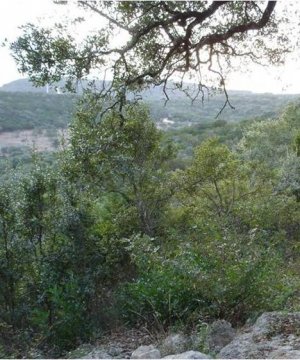
Transition T1A
Absence of wildfire and natural regeneration overtime. Maybe be coupled with prolonged excessive grazing.
Mechanism
Transition 1A is a scenario with some combination of no fire, heavy browsing by livestock and wildlife, no brush management, and the unmitigated increase of juniper. Wildlife contributes to the spread of seeds through droppings.
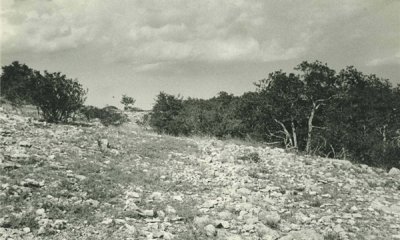
Transition T1B
Absence of wildfire coupled with prolonged excessive grazing pressure
Mechanism
This transition is caused by interruption of sunlight energy flowing through the system to only the overstory plants. The hydrologic cycle is severely impeded and the loss of top soil is a degradation of the mineral cycle.
Model keys
Briefcase
Add { ecological sites } and { Major Land Resource Areas } to your briefcase by clicking on the briefcase
( ) icon wherever it occurs. Drag and drop items to reorder. Cookies are used to store briefcase items between browsing sessions. Because of this, the number of items that can be added to your briefcase is limited, and briefcase items added on one device and browser cannot be accessed from another device or browser. Users who do not wish to place cookies on their devices should not use the briefcase tool. Briefcase cookies serve no other purpose than described here and are deleted whenever browsing history is cleared.
Ecological sites
Major Land Resource Areas


The Ecosystem Dynamics Interpretive Tool is an information system framework developed by the USDA-ARS Jornada Experimental Range, USDA Natural Resources Conservation Service, and New Mexico State University.
Accessibility statement