


Natural Resources
Conservation Service
Steep Adobe 29-35 PZ

Scenario model
Current ecosystem state
Select a state
Management practices/drivers
Select a transition or restoration pathway
-
Transition T1A
Absence of disturbance and natural regeneration over time
More details -
Restoration pathway R2A
Mechanical removal of juniper, followed by reintroduction of natural disturbance regimes
More details -
Transition T2A
Mechanical conversion of juniper to mulch
More details -
No transition or restoration pathway between the selected states has been described
Target ecosystem state
Select a state
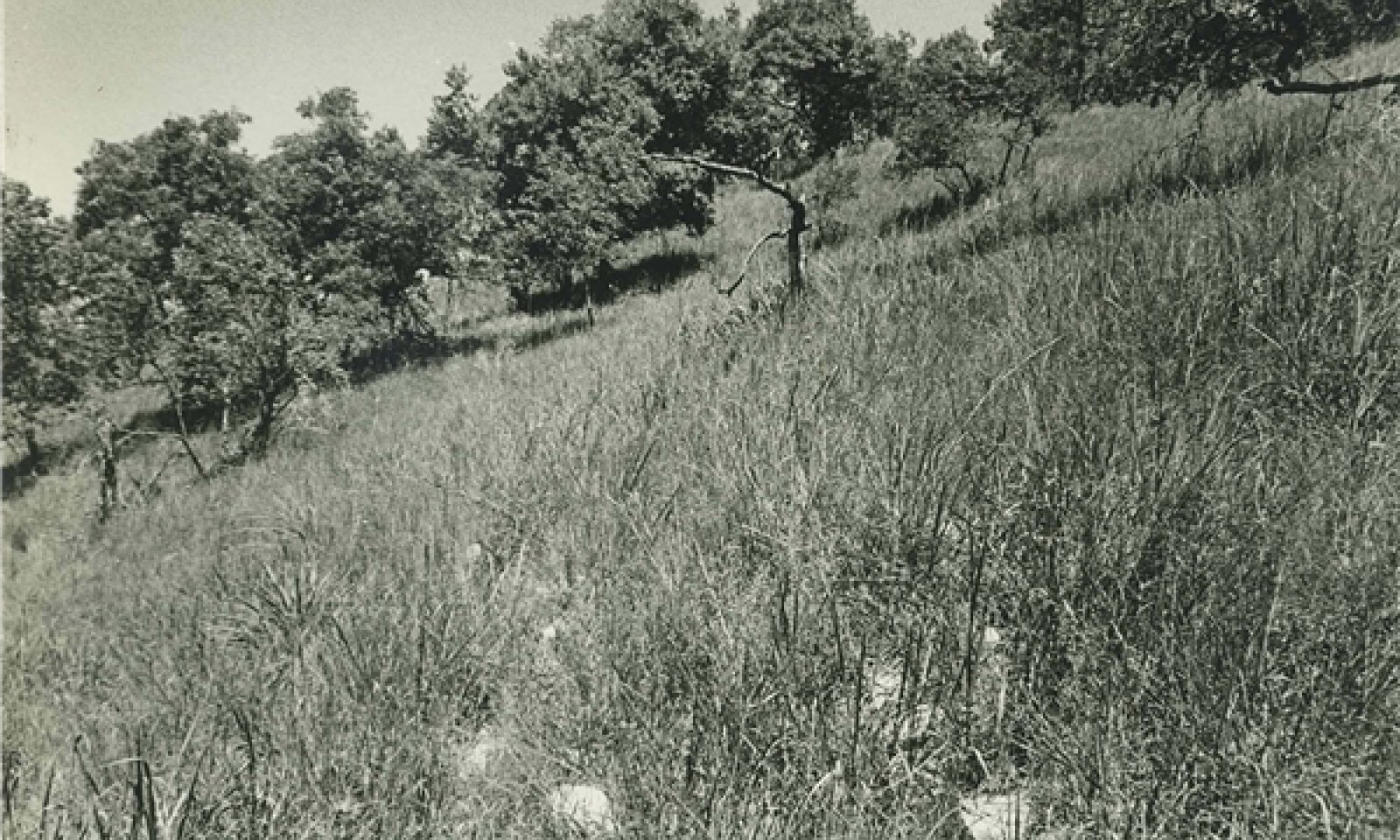
State 1
Reference
Reference


Description
The reference state is considered to be representative of the natural range of variability under pre-Euro settlement conditions. This state is characterized by a Mid and Tallgrass Savannah community.
Dominant plant species
Texas live oak (Quercus fusiformis), tree
little bluestem (Schizachyrium scoparium), grass
Indiangrass (Sorghastrum nutans), grass
Submodel
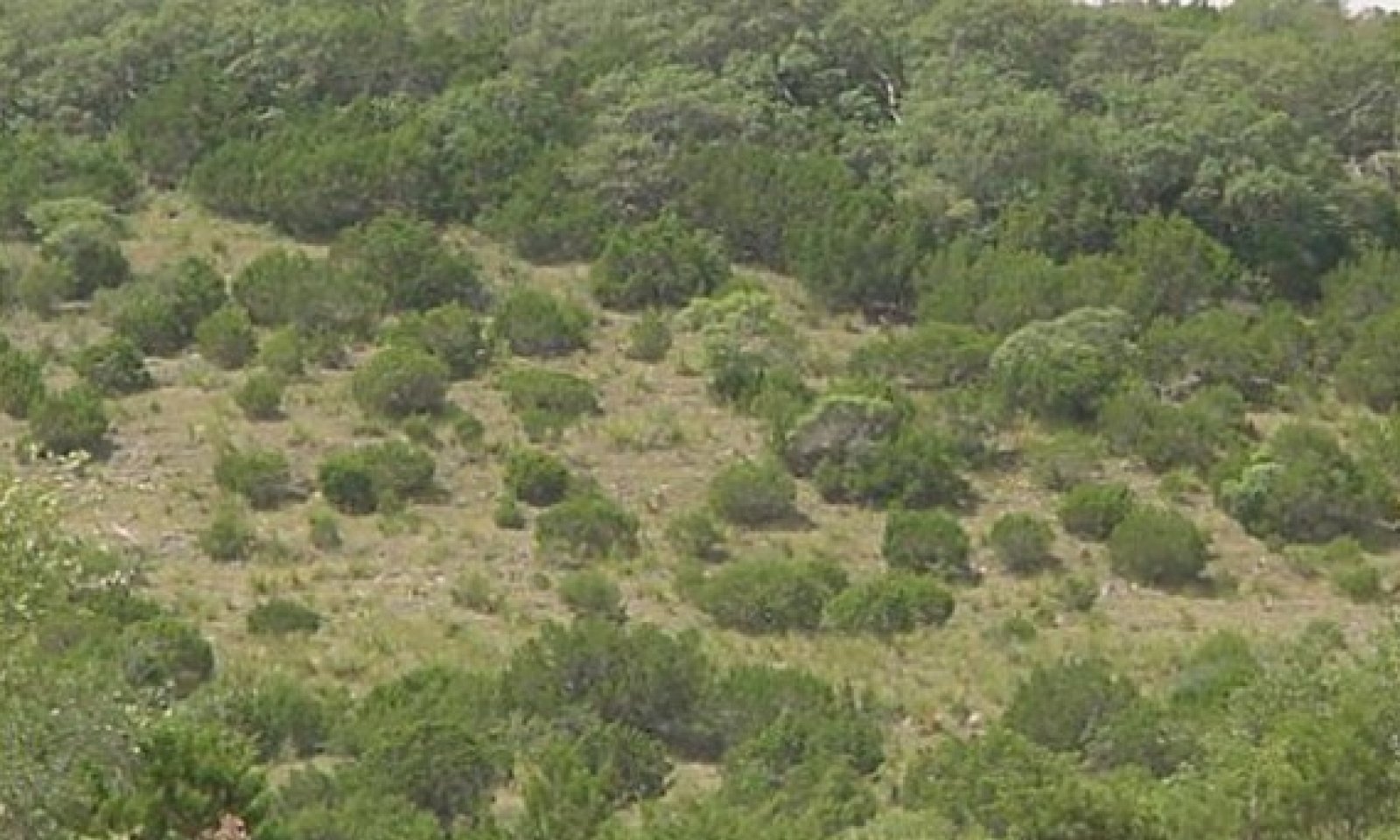
State 2
Oak/Juniper Woodland State
Oak/Juniper Woodland State


Description
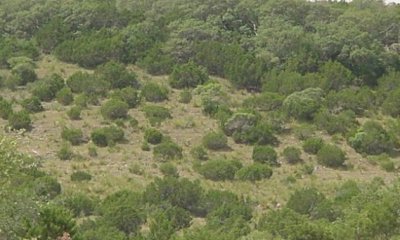
The Oak/Juniper Woodland state has juniper and oak as co-dominates.
Dominant plant species
Ashe's juniper (Juniperus ashei), tree
Texas live oak (Quercus fusiformis), tree
Submodel
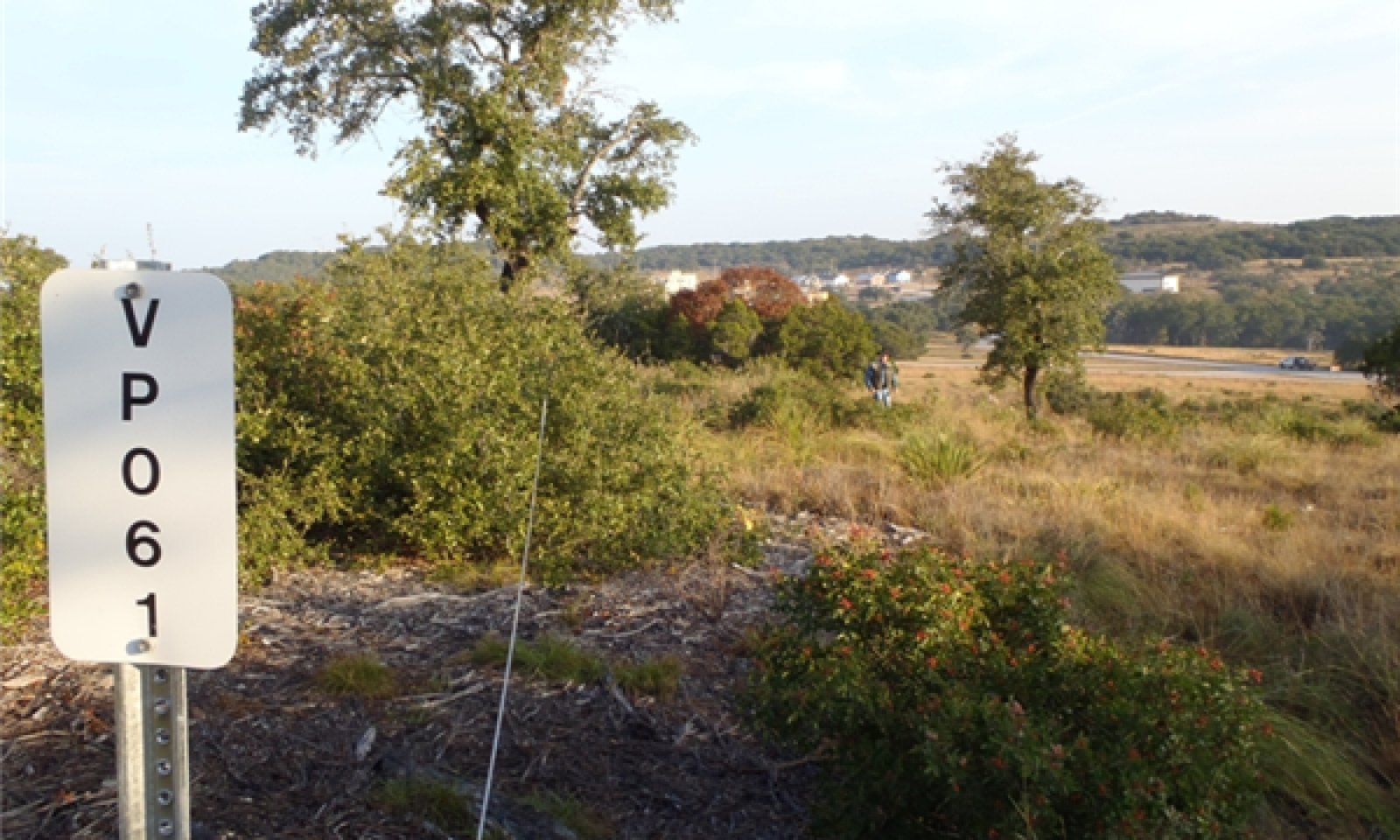
State 3
Mulched State
Mulched State

Description
The Mulched State results from heavy equipment reducing thick stands to varying degrees of surface mulch.
Dominant plant species
Texas live oak (Quercus fusiformis), tree
Submodel
Transition T1A
Absence of disturbance and natural regeneration over time
Mechanism
This Transition reflects the crossing of a threshold into a different vegetative state. This transition is driven by a lack of fire, no brush management and no prescribed grazing.
Restoration pathway R2A
Mechanical removal of juniper, followed by reintroduction of natural disturbance regimes
Mechanism
The recovery is driven by significant inputs of energy from equipment such as skid loaders, bulldozers, or other brush management equipment. Slope and rockiness will preclude some equipment. Only hand equipment can be used on the steeper slopes. Usually at this state, prescribed fire is a high risk option.
Transition T2A
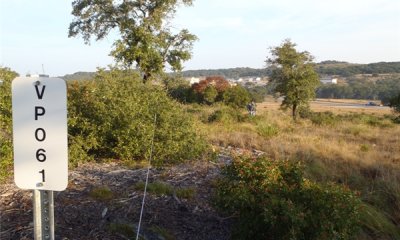
Mechanical conversion of juniper to mulch
Mechanism
Mechanical conversion of primarily juniper canopy to a mulch cover restores the energy flow to the remaining species, usually oak. The hydrologic cycle retains nearly all the rainfall because of the heavy mulch. Little evaporation takes place.
Model keys
Briefcase
Add { ecological sites } and { Major Land Resource Areas } to your briefcase by clicking on the briefcase
( ) icon wherever it occurs. Drag and drop items to reorder. Cookies are used to store briefcase items between browsing sessions. Because of this, the number of items that can be added to your briefcase is limited, and briefcase items added on one device and browser cannot be accessed from another device or browser. Users who do not wish to place cookies on their devices should not use the briefcase tool. Briefcase cookies serve no other purpose than described here and are deleted whenever browsing history is cleared.
Ecological sites
Major Land Resource Areas


The Ecosystem Dynamics Interpretive Tool is an information system framework developed by the USDA-ARS Jornada Experimental Range, USDA Natural Resources Conservation Service, and New Mexico State University.
Accessibility statement