


Natural Resources
Conservation Service
Hardland Slopes 16-24" PZ

Scenario model
Current ecosystem state
Select a state
Management practices/drivers
Select a transition or restoration pathway
-
Transition T1A
Absence of disturbance and natural regeneration over time, may be coupled with excessive grazing pressure
More details -
Restoration pathway R2A
Reintroduction of historic disturbance regimes, may be coupled with rangeland seeding
More details -
Transition T2A
Absence of disturbance and natural regeneration over time, may be coupled with excessive grazing pressure
More details -
Restoration pathway R3B
Reintroduction of historic disturbance regimes, may require rangeland seeding and other management practices
More details -
Restoration pathway R3A
Reintroduction of historic disturbance regimes, may require rangeland seeding and other management practices
More details -
No transition or restoration pathway between the selected states has been described
Target ecosystem state
Select a state
Description
This is the reference or diagnostic community for the site. The description is based on early range site descriptions, clipping data, professional consensus of experienced range specialists, and analysis of field work.
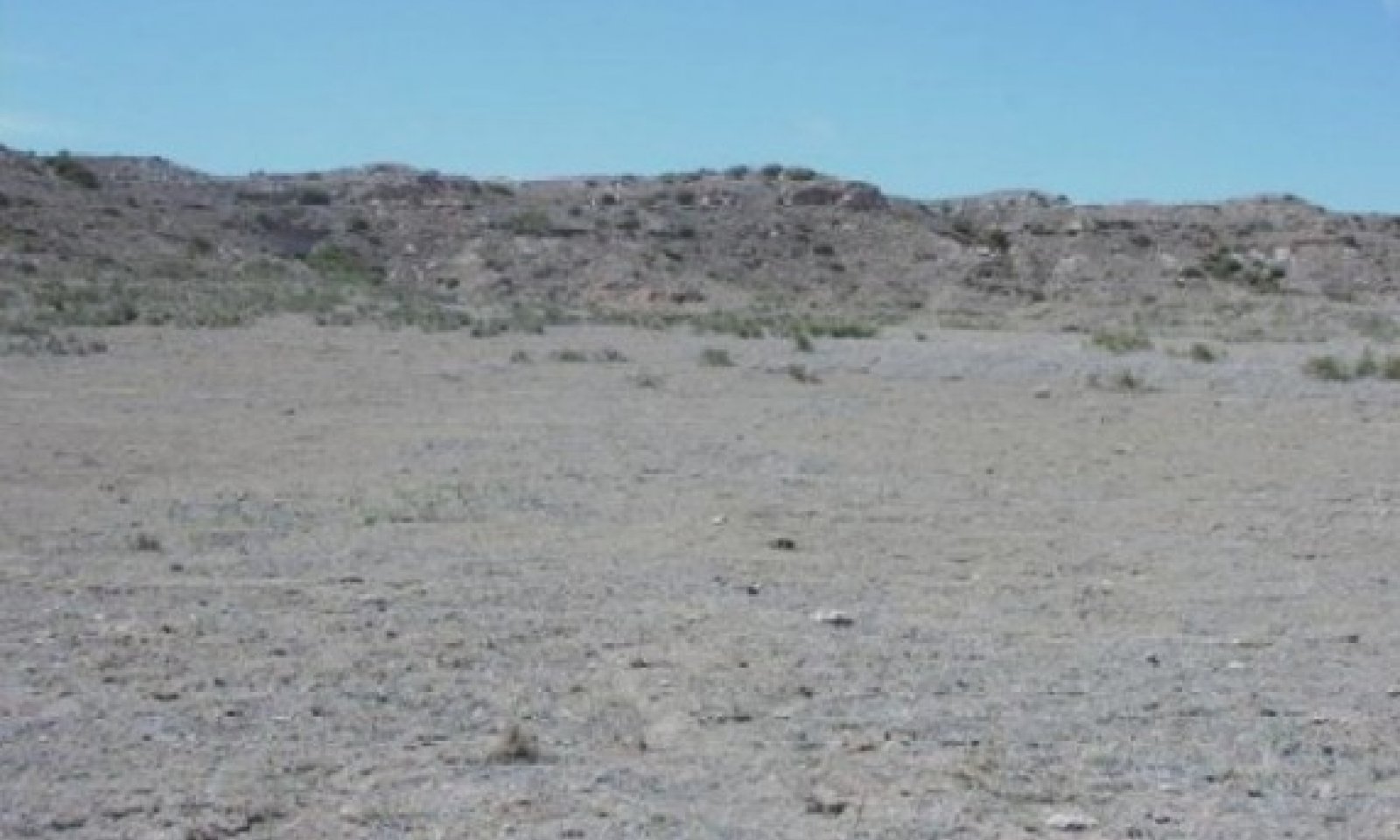
The high vigor shortgrass community (1.1) is dominated by shortgrasses such as blue grama and buffalograss with a smaller midgrass component. This site is very productive if runoff can be minimized. Yucca, plains pricklypear and broom snakeweed are the principal woody species making up less than 5% of the total plant community. Relatively few forbs are present on this site.
The average vigor shortgrass community (1.2) is dominated by shortgrasses such as sodbound blue grama with increasing amounts of buffalograss. There is a low annual production potential.
The low vigor shortgrass community (1.3) is dominated by low production species such as blue grama and buffalograss. There is an invasion of other shortgrasses such as three-awn and silver bluestem. There is also an increase of annual forbs.
Dominant plant species
blue grama (Bouteloua gracilis), grass
buffalograss (Bouteloua dactyloides), grass
Submodel
Description
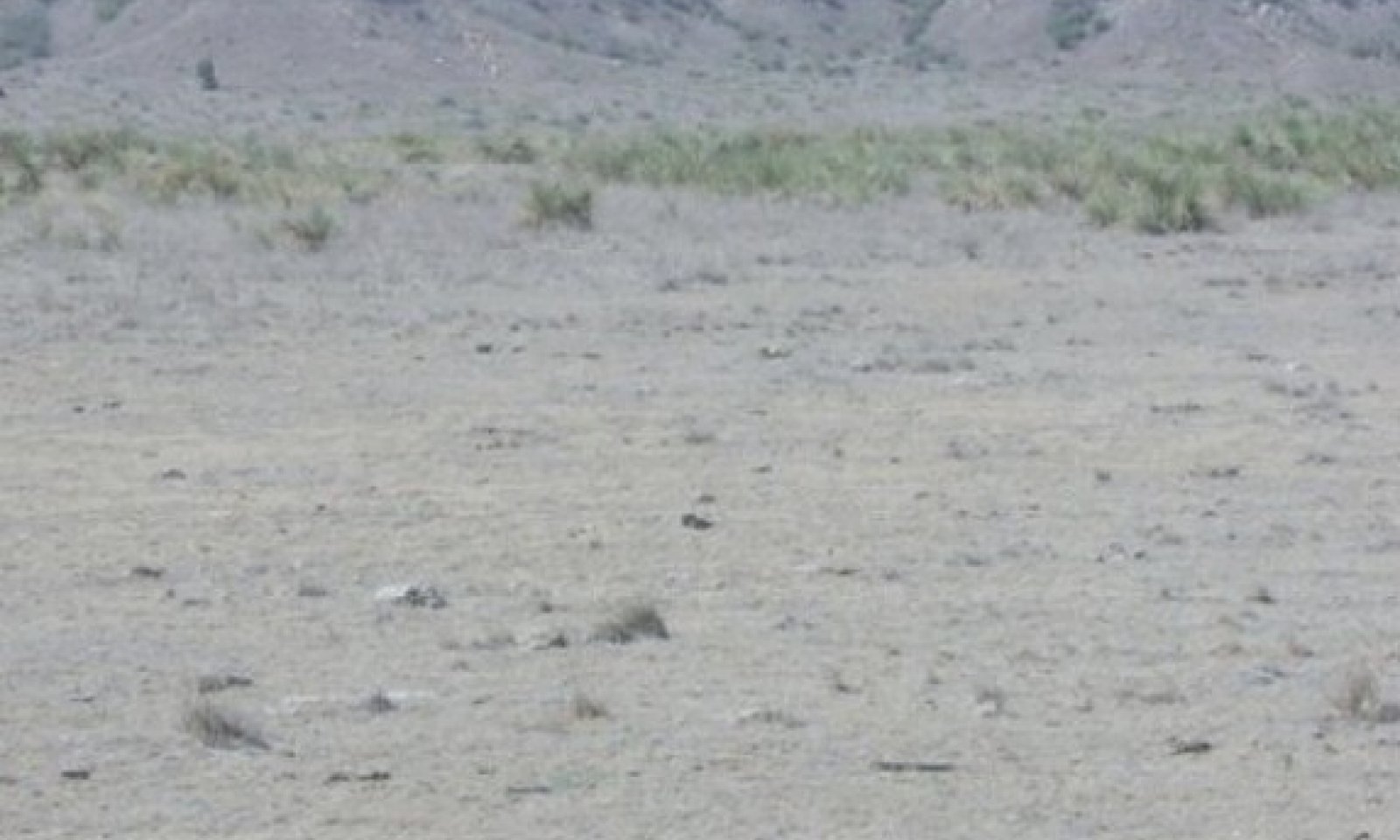
This State is dominated by perennial three-awn and silver bluestem with low vigor blue grama and buffalograss. Numerous annuals also occur in this community stage. Production is lower than the historic climax community and diversity is less.
Dominant plant species
threeawn (Aristida), grass
silver bluestem (Bothriochloa saccharoides), grass
Submodel
Description
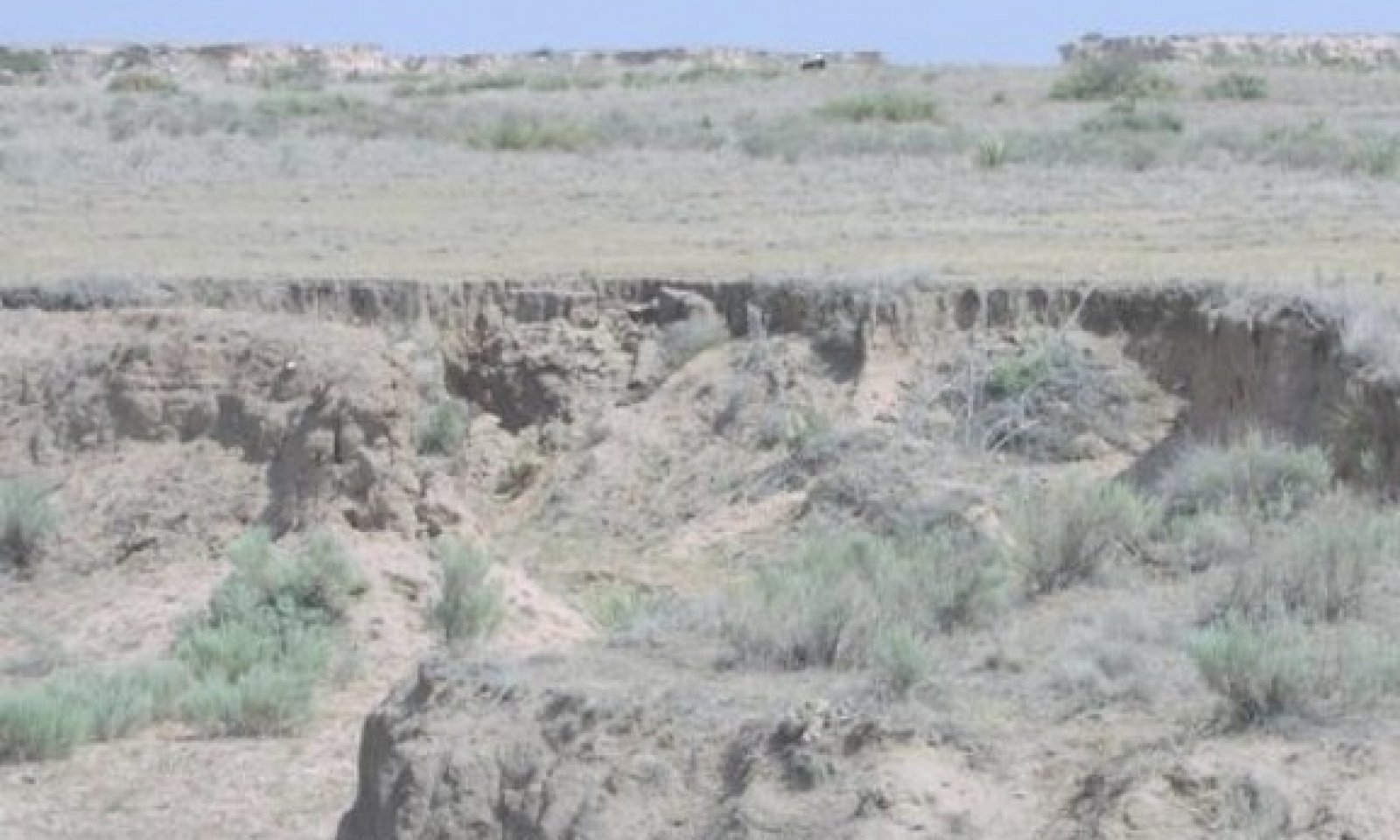
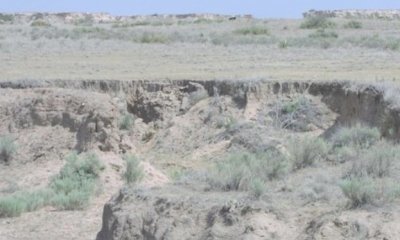
Low vigor shortgrass, high percentage of bare ground, unstable site conditions. Yucca and other woody species have invaded the site. Gully erosion has occurred due to the lack of ground cover. The bare ground has poor vegetative cover.
Dominant plant species
yucca (Yucca), shrub
Submodel
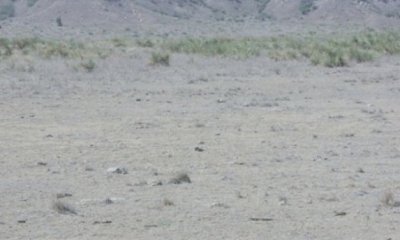
Transition T1A
Absence of disturbance and natural regeneration over time, may be coupled with excessive grazing pressure
Mechanism
With heavy continuous grazing, brush invasion, and no fires, the Shortgrass/Blue grama State will transition into the Shortgrass/Shrubland State.
Restoration pathway R2A
Reintroduction of historic disturbance regimes, may be coupled with rangeland seeding
Mechanism
With the application of various conservation practices such as Prescribed Grazing, Prescribed Burning, Brush Management, and Pest Management, the Shortgrass/Shrubland State can be restored to the Shortgrass/Blue grama State.
Relevant conservation practices
| Practice | External resources |
|---|---|
|
Brush Management |
|
|
Prescribed Burning |
|
|
Prescribed Grazing |
|
|
Integrated Pest Management (IPM) |
Transition T2A
Absence of disturbance and natural regeneration over time, may be coupled with excessive grazing pressure
Mechanism
With Heavy Continuous Grazing, Brush Invasion, and No Fires, the Shortgrass/Shrubland State will transition into the Degraded Shortgrass State.
Restoration pathway R3B
Reintroduction of historic disturbance regimes, may require rangeland seeding and other management practices
Mechanism
With Brush Management, Range Planting, Prescribed Grazing, and Pest Management conservation practices, the Degraded Shortgrass State can be restored to the Shortgrass/Blue grama State.
Relevant conservation practices
| Practice | External resources |
|---|---|
|
Brush Management |
|
|
Prescribed Grazing |
|
|
Range Planting |
|
|
Integrated Pest Management (IPM) |
Restoration pathway R3A
Reintroduction of historic disturbance regimes, may require rangeland seeding and other management practices
Mechanism
With Brush Management, Prescribed Grazing, and Pest Management conservation practices, the Degraded Shortgrass State can be restored to the Shortgrass/Shrubland State.
Relevant conservation practices
| Practice | External resources |
|---|---|
|
Brush Management |
|
|
Prescribed Grazing |
|
|
Integrated Pest Management (IPM) |
Model keys
Briefcase
Add { ecological sites } and { Major Land Resource Areas } to your briefcase by clicking on the briefcase
( ) icon wherever it occurs. Drag and drop items to reorder. Cookies are used to store briefcase items between browsing sessions. Because of this, the number of items that can be added to your briefcase is limited, and briefcase items added on one device and browser cannot be accessed from another device or browser. Users who do not wish to place cookies on their devices should not use the briefcase tool. Briefcase cookies serve no other purpose than described here and are deleted whenever browsing history is cleared.
Ecological sites
Major Land Resource Areas


The Ecosystem Dynamics Interpretive Tool is an information system framework developed by the USDA-ARS Jornada Experimental Range, USDA Natural Resources Conservation Service, and New Mexico State University.
Accessibility statement