


Natural Resources
Conservation Service
Very Shallow 16-22" PZ

Scenario model
Current ecosystem state
Select a state
Management practices/drivers
Select a transition or restoration pathway
-
Transition T1A
Absence of disturbance coupled with excessive grazing pressure
More details -
Restoration pathway R2A
Adequate rest from defoliation coupled reintroduction of historic disturbance regimes
More details -
Transition T2A
Absence of disturbance and natural regeneration over time, may be coupled with excessive grazing pressure
More details -
Restoration pathway R3A
Adequate rest from defoliation coupled with brush management
More details -
Transition T3A
Absence of disturbance and natural regeneration over time, may be coupled with excessive grazing pressure
More details -
Restoration pathway R4A
Adequate rest from defoliation coupled with brush management and the reintroduction of fire
More details -
No transition or restoration pathway between the selected states has been described
Target ecosystem state
Select a state
Description
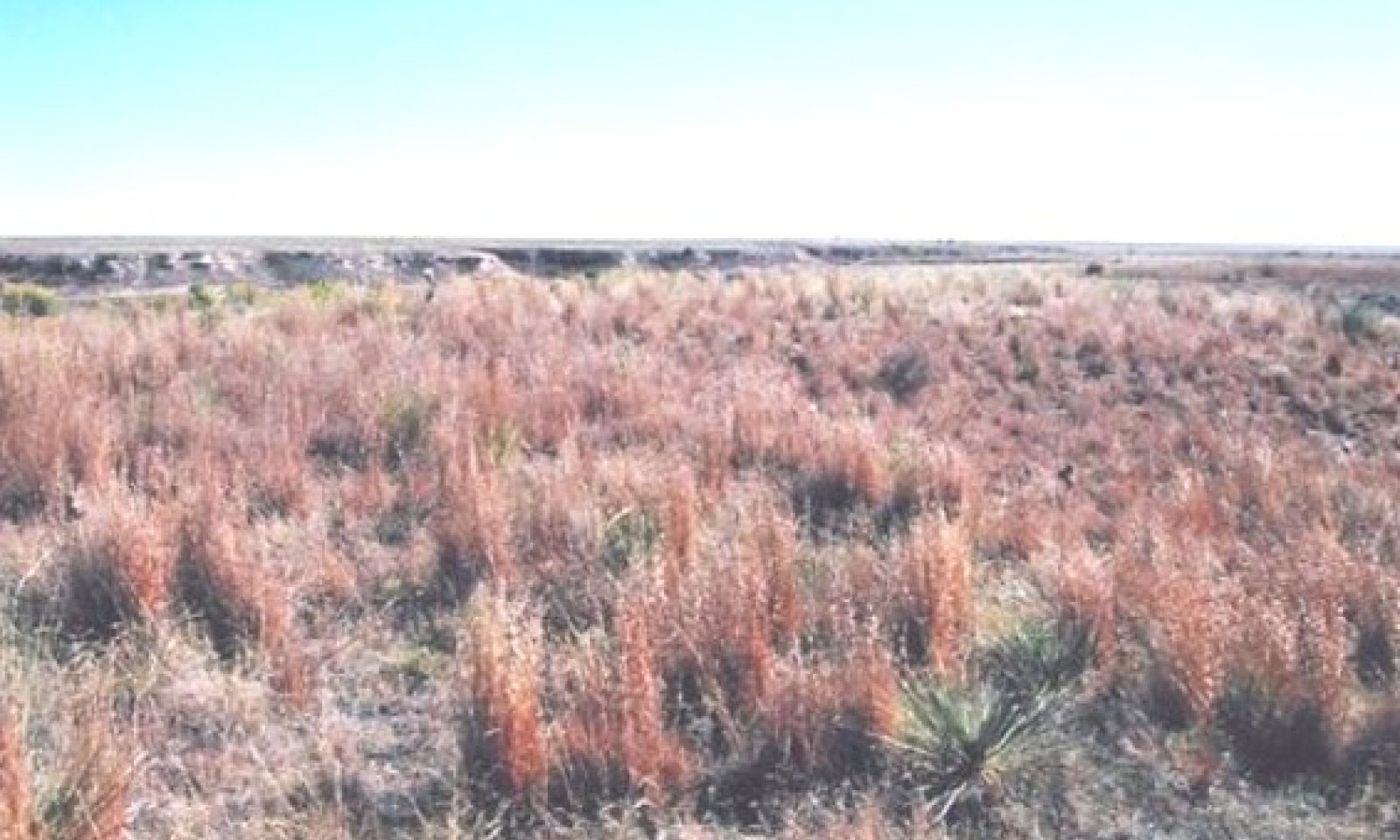
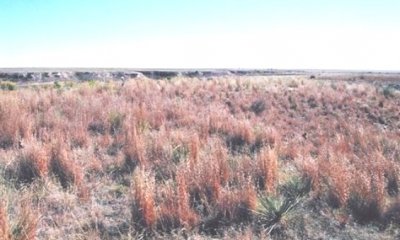
The Tallgrass Dominant State is a mixture of tall, mid and shortgrasses with little bluestem and sideoats grama dominance. There is also a small shrub component of less than ten percent canopy.
Dominant plant species
little bluestem (Schizachyrium scoparium), grass
sideoats grama (Bouteloua curtipendula), grass
Submodel
Description
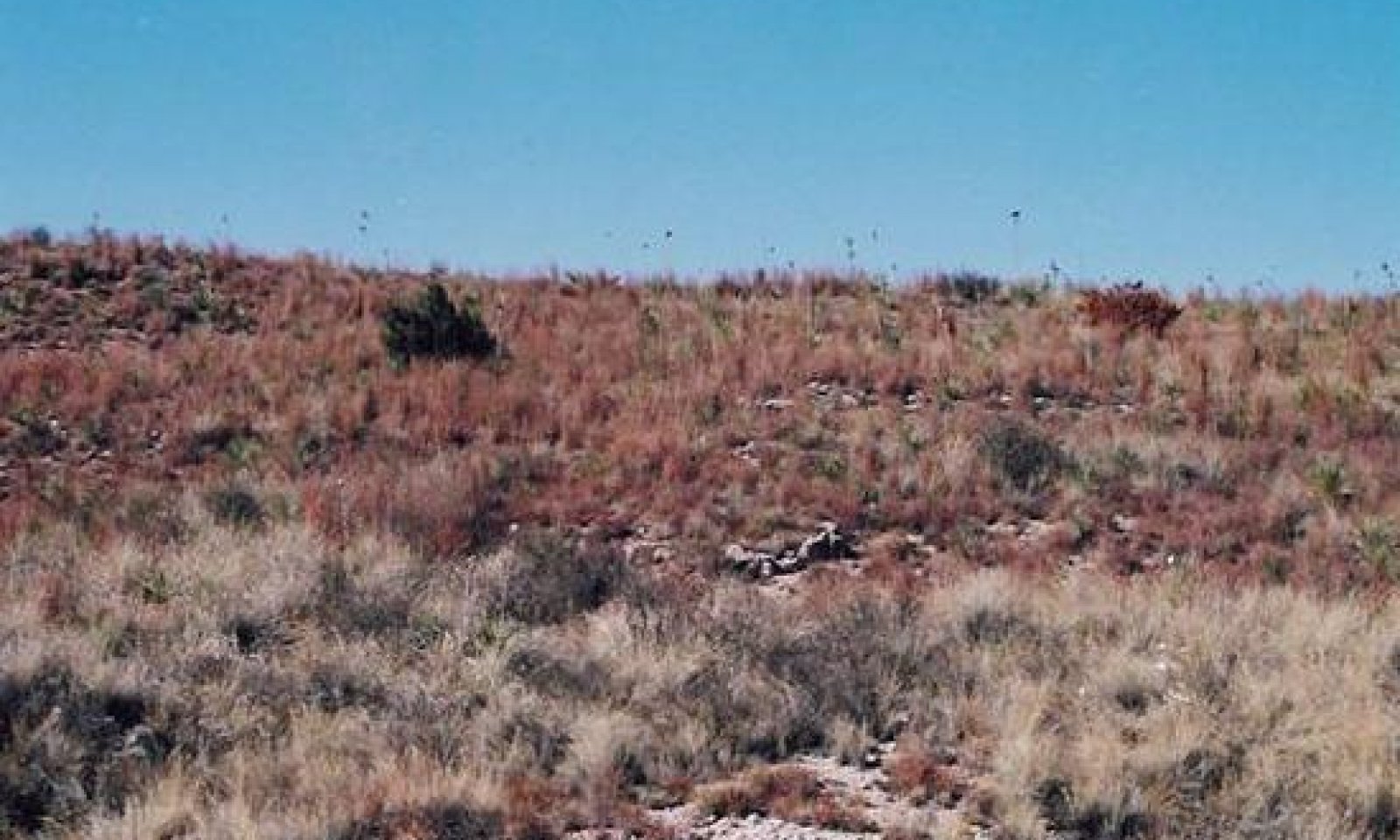
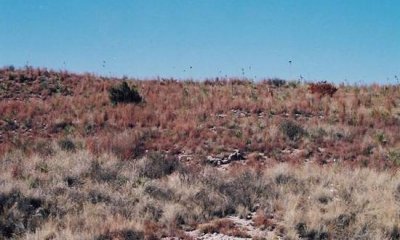
Tall and midgrasses dominate the plant community with little bluestem maintaining dominance. Lack of soil development. Shrubs still reaches less than 10 percent woody canopy.
Dominant plant species
little bluestem (Schizachyrium scoparium), grass
Submodel
Description
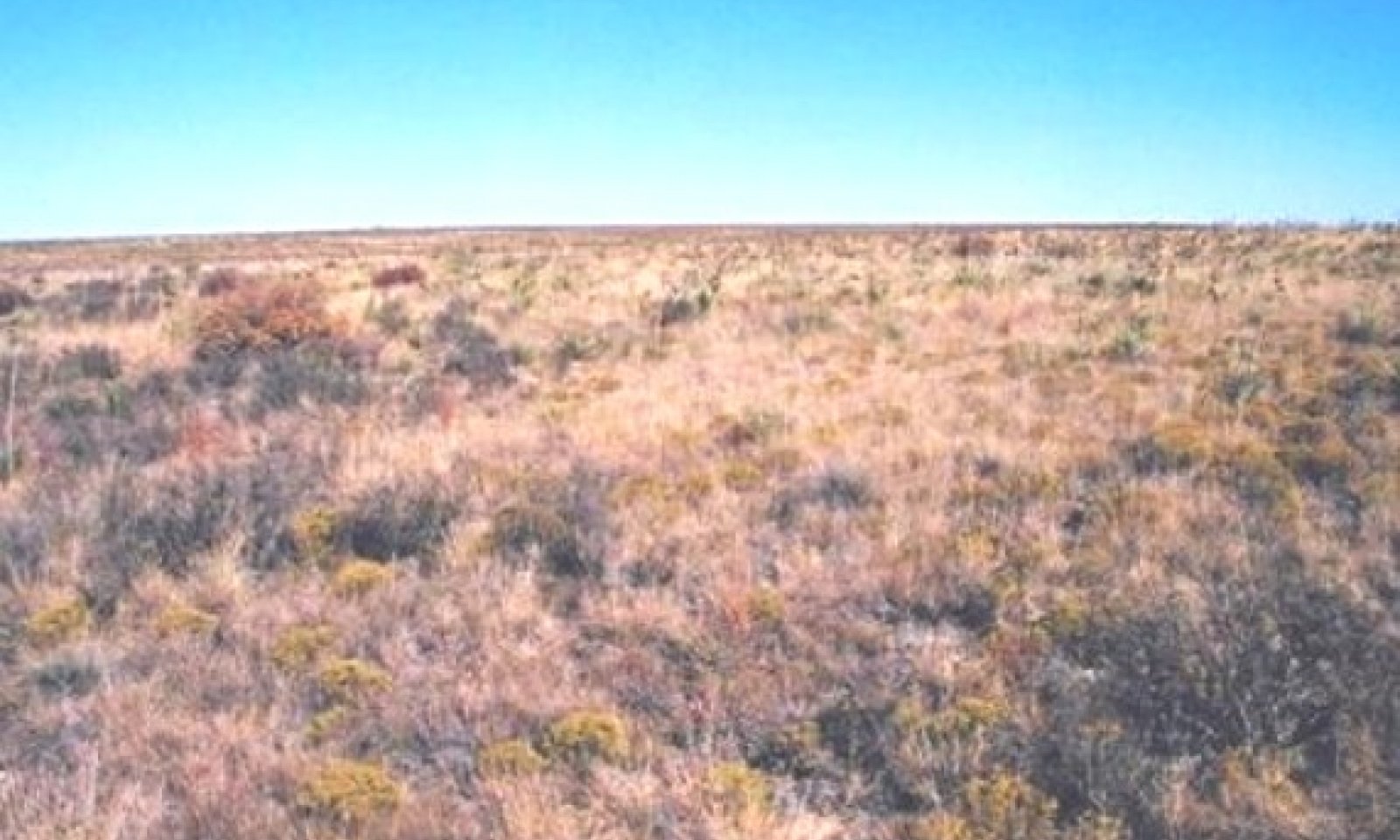
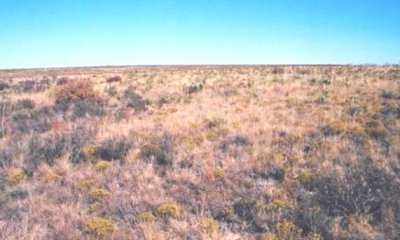
This state is a midgrass dominant with an increase in broom snakeweed. This community still has a tallgrass presence.
Dominant plant species
broom snakeweed (Gutierrezia sarothrae), shrub
blue grama (Bouteloua gracilis), grass
black grama (Bouteloua eriopoda), grass
Submodel
Description
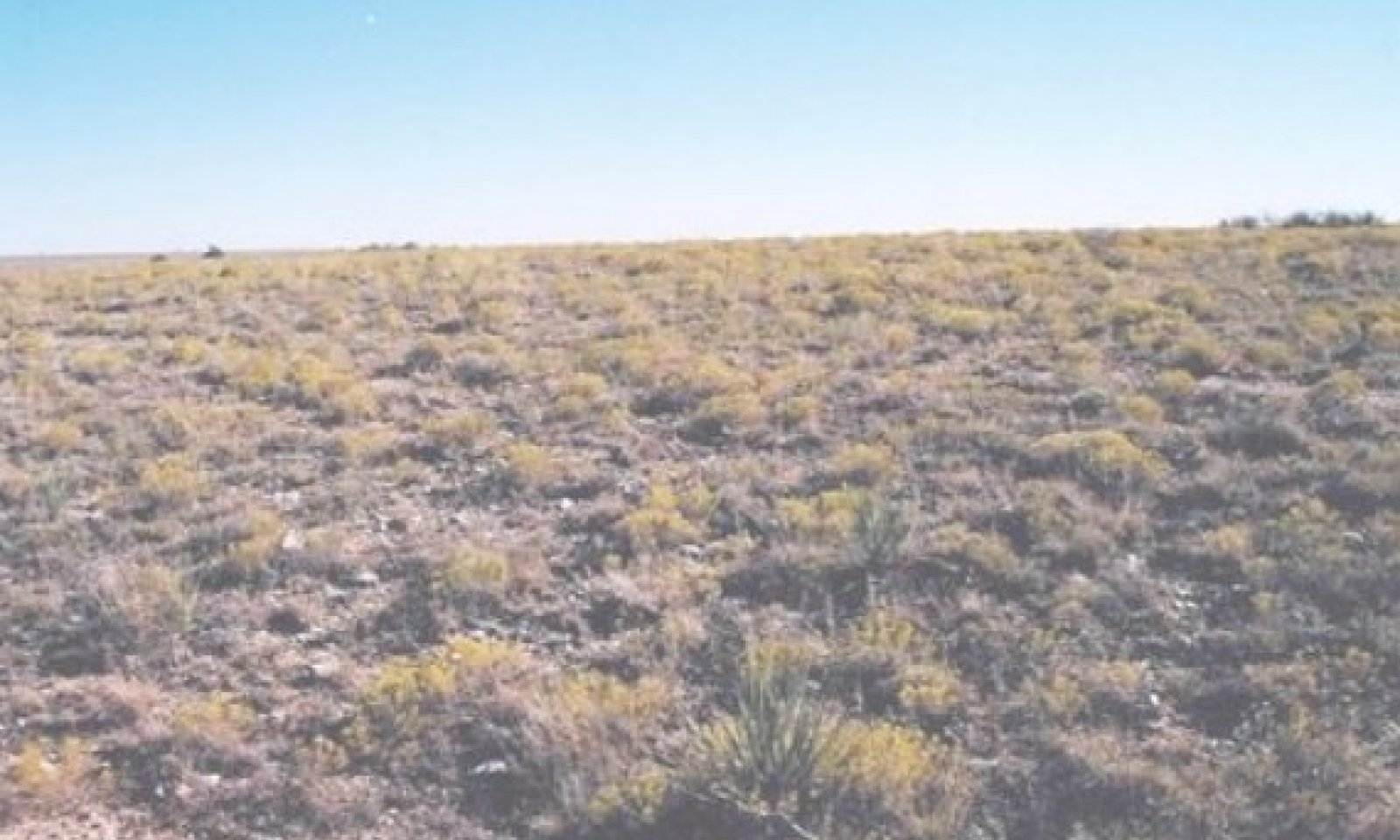
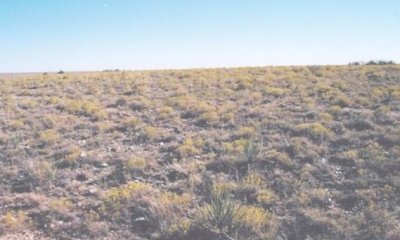
This state is a plant community mixture of half shrubs and shortgrasses with broom snakeweed dominance. There is a low diversity of plant species as well as low productivity. There is visible soil degradation at this point.
Dominant plant species
broom snakeweed (Gutierrezia sarothrae), shrub
Submodel
Transition T1A
Absence of disturbance coupled with excessive grazing pressure
Mechanism
With abusive grazing and no fires on the Tallgrass Dominant Community (1.1), this community can transition to the Little bluestem Dominant Community (2.1).
Restoration pathway R2A
Adequate rest from defoliation coupled reintroduction of historic disturbance regimes
Mechanism
With the implementation of conservation practices such as Prescribed Grazing and Prescribed Burning, the Little bluestem Dominant Community (2.1) can be restored back to the Tallgrass Dominant Community (1.1).
Relevant conservation practices
| Practice | External resources |
|---|---|
|
Prescribed Burning |
|
|
Prescribed Grazing |
Transition T2A
Absence of disturbance and natural regeneration over time, may be coupled with excessive grazing pressure
Mechanism
With abusive grazing and no fires, the Little bluestem Dominant Community will transition itself to the Midgrass/Shrubs Community.
Restoration pathway R3A
Adequate rest from defoliation coupled with brush management
Mechanism
With Prescribed Grazing and Prescribed Burning conservation practices, the Midgrass/Shrubs State can be reverted back to the Little bluestem Dominant State.
Relevant conservation practices
| Practice | External resources |
|---|---|
|
Prescribed Burning |
|
|
Prescribed Grazing |
Transition T3A
Absence of disturbance and natural regeneration over time, may be coupled with excessive grazing pressure
Mechanism
With abusive grazing, no fires, and no brush management practices, the Midgrass/Shrub State will transition to the Half-shrub/Shortgrass State.
Restoration pathway R4A
Adequate rest from defoliation coupled with brush management and the reintroduction of fire
Mechanism
With the implementation of various conservation practices such as Prescribed Grazing, Brush Management, and Prescribed Burning, the Half-shrub/Shortgrass State can be reverted back to the Midgrass/Shrubs Community.
Relevant conservation practices
| Practice | External resources |
|---|---|
|
Brush Management |
|
|
Prescribed Burning |
|
|
Prescribed Grazing |
Model keys
Briefcase
Add { ecological sites } and { Major Land Resource Areas } to your briefcase by clicking on the briefcase
( ) icon wherever it occurs. Drag and drop items to reorder. Cookies are used to store briefcase items between browsing sessions. Because of this, the number of items that can be added to your briefcase is limited, and briefcase items added on one device and browser cannot be accessed from another device or browser. Users who do not wish to place cookies on their devices should not use the briefcase tool. Briefcase cookies serve no other purpose than described here and are deleted whenever browsing history is cleared.
Ecological sites
Major Land Resource Areas


The Ecosystem Dynamics Interpretive Tool is an information system framework developed by the USDA-ARS Jornada Experimental Range, USDA Natural Resources Conservation Service, and New Mexico State University.
Accessibility statement