
Natural Resources
Conservation Service
Ecological site R024XY021NV
Loamy Slope 12-14 P.Z.
Last updated: 10/22/2024
Accessed: 10/16/2026
-
Search


Major Land Resource Area or ecological site by name and/or ID.
PreviousSectionsNextGeneral information
Draft. A draft ecological site description is either incomplete or has not undergone quality control and quality assurance review.
MLRA notes
Major Land Resource Area (MLRA): 024X–Humboldt Basin and Range Area
Major land resource area (MLRA) 24, the Humboldt Area, covers an area of approximately 8,115,200 acres (12,680 sq. mi.). It is found in the Great Basin Section of the Basin and Range Province of the Intermontane Plateaus. Elevations range from 3,950 to 5,900 feet (1,205 to 1,800 meters) in most of the area, some mountain peaks are more than 8,850 feet (2,700 meters).
A series of widely spaced north-south trending mountain ranges are separated by broad valleys filled with alluvium washed in from adjacent mountain ranges. Most valleys are drained by tributaries to the Humboldt River. However, playas occur in lower elevation valleys with closed drainage systems. Isolated ranges are dissected, uplifted fault-block mountains. Geology is comprised of Mesozoic and Paleozoic volcanic rock and marine and continental sediments. Occasional young andesite and basalt flows (6 to 17 million years old) occur at the margins of the mountains. Dominant soil orders include Aridisols, Entisols, Inceptisols and Mollisols. Soils of the area are generally characterized by a mesic soil temperature regime, an aridic soil moisture regime and mixed geology. They are generally well drained, loamy and very deep.
Approximately 75 percent of MLRA 24 is federally owned, the remainder is primarily used for farming, ranching and mining. Irrigated land makes up about 3 percent of the area; the majority of irrigation water is from surface water sources, such as the Humboldt River and Rye Patch Reservoir. Annual precipitation ranges from 6 to 12 inches (15 to 30 cm) for most of the area, but can be as much as 40 inches (101 cm) in the mountain ranges. The majority of annual precipitation occurs as snow in the winter. Rainfall occurs as high-intensity, convective thunderstorms in the spring and fall.Ecological site concept
This ecological site is on lower mountain side slopes, toe-slopes and inter-mountain valley fans on all aspects. Soils are moderately deep, well drained, and formed in residuum/colluvium derived from volcanic parent material. The soil profile is characterized by a dark surface horizon (mollic epipedon), a horizon of clay accumulation (argillic horizon) within 30 centimeters, and 18-35 percent clay in the particle size control section. Important abiotic factors associated with this site include aridic boarding on xeric soil moisture regime, frigid soil temperature regime, and an argillic horizon. The reference plant community is dominated by mountain big sagebrush (ARTRV), bluebunch wheatgrass (PSSPS), and Idaho fescue (FEID).
Associated sites
R024XY016NV Mountain Ridge
Soils very shallow to shallow with greater than 40 percent rock fragments; less productive site
R024XY029NV SOUTH SLOPE 12-16 P.Z.
Sites include a south-west to south-east aspects. The reference plant community is dominated by mountain big sagebrush (ARTRV) and bluebunch wheatgrass (PSSPS)
R024XY013NV LOAMY 10-12 P.Z.
The sagebrush found on this site is primarily basin big sagebrush (ARTRT), with Wyoming sagebrush (ARTRW8) confined to the transitions. The mixing of sagebrush species and the presence of the mollic epipedon are indicative of greater than 25cm (10in) of precipitation.
R024XY023NV NORTH SLOPE 14+ P.Z.
The soil profile is characterized by a pachic epipedon and greater than 35 percent rock fragments in the particle size control section. The north aspect and the thick mollic epipedon reflecting the increased vegetative production due to increased available soil moisture.
R024XY027NV CLAYPAN 12-16 P.Z.
Soils are moderately deep, well drained and formed in residuum derived from volcanic parent material. Sites include an abrupt boundary in the upper soil profile that results in wet non-satiated conditions during the spring and early summer. Under natural conditions the reference state is dominated by low sagebrush (ARAR8), Idaho fescue (FEID), and bluebunch wheatgrass (PSSPS).
R024XY032NV LOAMY SLOPE 14+ P.Z.
The soil profile is characterized by a mollic (pachic) epipedon and greater than 35 percent rock fragments by volume.
R024XY034NV STONY LOAM 14+ P.Z.
Idaho fescue (FEID)- bluebunch wheatgrass (PSSPS) codominant grasses with mountain brome (BRMA4); aspect dominated by heterogeneous mixture of mountain browse species, including Utah serviceberry (AMUT), oceanspray (HODU), snowberry (SYMPH), basin big sagebrush (ARTRT), currant (RIBES) and mountain big sagebrush (ARVA2).
Similar sites
R024XY034NV STONY LOAM 14+ P.Z.
Dominated by mountain browse species, including Utah serviceberry (AMUT), oceanspray (HODU), snowberry (SYMPH), basin big sagebrush (ARTRT), currant (RIBES) and mountain big sagebrush (ARVA2).
R024XY023NV NORTH SLOPE 14+ P.Z.
Increased vegetative production due to increased available soil moisture.
R024XY029NV SOUTH SLOPE 12-16 P.Z.
Bluebunch wheatgrass (PSSPS) dominant grass.
R024XY013NV LOAMY 10-12 P.Z.
Thurber's needlegrass (ACTH7)- bluebunch wheatgrass (PSSPS) codominant grasses.
R024XY032NV LOAMY SLOPE 14+ P.Z.
More productive site; Utah serviceberry (AMUT) & snowberry (SYMPH) major shrubs with mountain big sagebrush (ARTRV).
Table 1. Dominant plant species
Tree Not specified
Shrub (1) Artemisia tridentata var. vaseyana
Herbaceous (1) Pseudoroegneria spicata
(2) Festuca idahoensisPhysiographic features
This site is on lower mountain side slopes, toe-slopes, and inter-mountain valley fans on all aspects. Slopes range from 4 to 50 percent, but slope gradients of 8 to 30 percent are typical. Elevations are 6,500 to about 8,500 feet (1,981 to 2,591 m). This site is generally restricted to north exposures at the lower elevations of its range. Runoff in this site is high to very high.
Table 2. Representative physiographic features
Landforms (1) Mountains > Mountain slope
(2) Mountain slope
(3) Mountain valley
Runoff class High to very high Elevation 6000 – 8000 ft Slope 4 – 50 % Aspect Aspect is not a significant factor Climatic features
The climate associated with this site is semiarid and characterized by cold, moist winters and cool, dry summers. Average annual precipitation is 12 to 14 inches (31-36cm). Mean annual air temperature is 43 to 47 degrees F. The average growing season is about 75 to 100 days. There are no climate stations available for this site.
Table 3 Representative climatic features
Frost-free period (average) 90 days Freeze-free period (average) Precipitation total (average) 10 in ">Influencing water features
Influencing water features are not associated with this ecological site.
Wetland description
N/A
Soil features
The soils associated with this site are moderately deep, well drained and formed in colluvium and residuum derived from volcanic or mixed parent material. The soil profile is characterized by a dark surface horizon (mollic epipedon), a horizon of clay accumulation (argillic horizon) approximately 25cm (10in) from the soil surface, and greater than 18 percent clay in the particle size control section. Rooting depth is limited by slightly weathered bedrock at depth of 70 to 100cm (27 to 39in). Soil components may be characterized by greater than 35 percent rock fragments by volume. These soils are characterized by moderate available water holding capacity and high to very high runoff.
Representative soil components associated with this site include Reluctan, Say, Alyan, Loncan, and Normara.Table 4. Representative soil features
Parent material (1) Colluvium – volcanic rock
(2) Residuum – volcanic rock
(3) Residuum – metamorphic and sedimentary rock
(4) Colluvium – metamorphic and sedimentary rock
Surface texture (1) Very gravelly loam
(2) Very cobbly loam
(3) Cobbly loam
Family particle size (1) Loamy
Drainage class Well drained Permeability class Slow to moderate Soil depth 20 – 39 in Surface fragment cover <=3" 19 – 27 % Surface fragment cover >3" 3 – 15 % Available water capacity
(0-40in)2.98 – 5.4 in Soil reaction (1:1 water)
(0-40in)6.1 – 7.8 Subsurface fragment volume <=3"
(Depth not specified)21 – 27 % Subsurface fragment volume >3"
(Depth not specified)8 – 12 % Ecological dynamics
An ecological site is the product of all the environmental factors responsible for its development and it has a set of key characteristics that influence a site’s resilience to disturbance and resistance to invasives. Key characteristics include 1) climate (precipitation, temperature), 2) topography (aspect, slope, elevation, and landform), 3) hydrology (infiltration, runoff), 4) soils (depth, texture, structure, organic matter), 5) plant communities (functional groups, productivity), and 6) natural disturbance regime (fire, herbivory, etc.) (Caudle et al. 2013). Biotic factors that that influence resilience include site productivity, species composition and structure, and population regulation and regeneration (Chambers et al. 2013).
This ecological site is dominated by deep-rooted cool season, perennial bunchgrasses and long-lived shrubs (50+ years) with high root to shoot ratios. The dominant shrubs usually root to the full depth of the winter-spring soil moisture recharge, which ranges from 1.0 to over 3.0 m (Dobrowolski et al. 1990). Root length of mature sagebrush plants was measured to a depth of 2 meters in alluvial soils in Utah (Richards and Caldwell 1987). These shrubs have a flexible generalized root system with development of both deep taproots and laterals near the surface (Comstock and Ehleringer 1992).
Periodic drought regularly influences sagebrush ecosystems and drought duration and severity has increased throughout the 20th century in much of the Intermountain West. Major shifts away from historical precipitation patterns have the greatest potential to alter ecosystem function and productivity. Species composition and productivity can be altered by the timing of precipitation and water availability within the soil profile (Bates et al. 2006). Mountain big sagebrush are generally long-lived; therefore it is not necessary for new individuals to recruit every year for perpetuation of the stand. Infrequent large recruitment events and simultaneous low, continuous recruitment is the foundation of population maintenance (Noy-Meir 1973). Survival of the seedlings is dependent on adequate moisture conditions.
Native insect outbreaks are also important drivers of ecosystem dynamics in sagebrush communities. Climate is generally believed to influence the timing of insect outbreaks especially a sagebrush defoliator, Aroga moth (Aroga websteri). Aroga moth infestations have occurred in the Great Basin in the 1960s, early 1970s, and have been ongoing in Nevada since 2004 (Bentz et al 2008). Thousands of acres of big sagebrush have been impacted, with partial to complete die-off observed. Aroga moth can partially or entirely kill individual plants or entire stands of big sagebrush (Furniss and Barr 1975).
The Great Basin sagebrush communities have high spatial and temporal variability in precipitation both among years and within growing seasons. Nutrient availability is typically low but increases with elevation and closely follows moisture availability. The invasibility of plant communities is often linked to resource availability. Disturbance can decrease resource uptake due to damage or mortality of the native species and depressed competition or can increase resource pools by the decomposition of dead plant material following disturbance. The invasion of sagebrush communities by cheatgrass (Bromus tectorum) has been linked to disturbances (fire, abusive grazing) that have resulted in fluctuations in resources (Chambers et al. 2007). This ecological site has low to high resilience to disturbance and resistance to invasion. Increased resilience increases with elevation, aspect, increased precipitation and increased nutrient availability.
South-facing slopes will generally express a higher abundance of bluebunch wheatgrass, while north-facing slopes will have more Idaho fescue. Production will be higher on sites with deeper soils. Overgrazing by livestock and horses will cause a decrease in deep-rooted perennial bunchgrasses, mainly Idaho fescue and bluebunch wheatgrass. As grass cover declines, the potential for invasion by annual non-native species likely cheatgrass as well as invasion by singleleaf pinyon (Pinus monophylla) and Utah juniper (Juniperus osteosperma) will increase. Continued inappropriate grazing management may result in an increase in Sandberg bluegrass (Poa secunda), balsamroot (Balsamorhiza spp.), lupine (Lupinus spp.), sagebrush, and rabbitbrush (Chrysothamnus viscidiflorus).State and transition model
More interactive model formats are also available. View Interactive Models
Click on state and transition labels to scroll to the respective textEcosystem states
States 2 and 5 (additional transitions)
T1A - Introduction of non-native species T2A - Loss of deep-rooted bunchgrass T2B - Increase size and frequency of wildfires T2C - Increased cover and reproduction of pinyon/juniper R3A - Brush management, seeding with native species T3A - Increased size and frequency of wildfire T3B - Increased cover and reproduction of pinyon/juniper R5A - Tree removal with soil disturbance T5A - Increased site and frequency of wildfire State 2 submodel, plant communities
State 1
Reference StateThe Reference State is a representative of the natural range of variability under pre-Euro settlement conditions. State dynamics are maintained by interactions between climatic patterns and disturbance regimes. Negative feedbacks enhance ecosystem resilience and contribute to the stability of the state. These include the presence of all structural and functional groups, low fine fuel loads, and retention of organic matter and nutrients. Community phase changes are primarily driven by fire, periodic drought and/or insect or disease attack.
Dominant plant species
-
mountain big sagebrush (Artemisia tridentata ssp. vaseyana), shrub
-
bluebunch wheatgrass (Pseudoroegneria spicata), grass
-
Idaho fescue (Festuca idahoensis), grass
Community 1.1

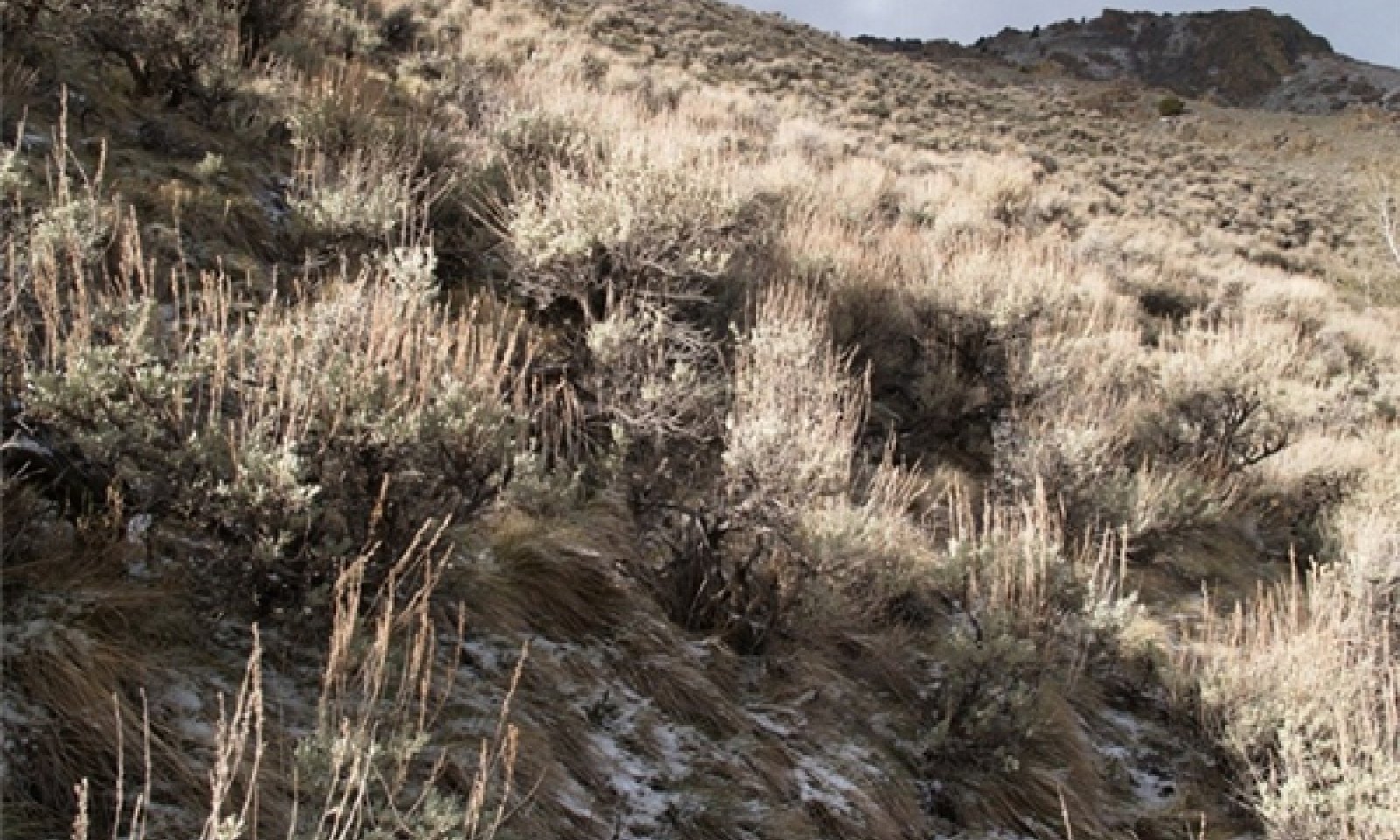
Figure 1. T. Stringham, NV 769, MU 1390, 4_26_2016
This community phase is characteristic of a mid-seral plant community. It is dominated by Idaho fescue and bluebunch wheatgrass and mountain big sagebrush. Basin wildrye and an assortment of perennial forbs are common.
Resilience management. Pre-settlement fire return intervals in mountain big sagebrush communities varied from 15 to 25 years (Burkhardt and Tisdale 1969, Houston 1973, and Miller et al. 2000). Mountain big sagebrush is killed by fire (Neunschwander 1980, Blaisdell et al. 1982) and does not resprout (Blaisdell 1953). Post fire regeneration occurs from seed and will vary depending on site characteristics, seed source, and fire characteristics.
Dominant plant species
-
mountain big sagebrush (Artemisia tridentata ssp. vaseyana), shrub
-
Idaho fescue (Festuca idahoensis), grass
-
bluebunch wheatgrass (Pseudoroegneria spicata ssp. spicata), grass
Figure 2. Annual production by plant type (representative values) or group (midpoint values)
Table 5. Annual production by plant type
Plant type Low
(lb/acre)Representative value
(lb/acre)High
(lb/acre)Grass/Grasslike 455 650 910 Shrub/Vine 175 250 350 Forb 70 100 140 Total 700 1000 1400 Community 1.2
This community phase is characteristic of a post-disturbance, early seral community phase. Idaho fescue, bluebunch wheatgrass and other perennial grasses dominate. Depending on fire severity, rabbitbrush, Utah serviceberry (Amelanchier utahensis), desert peach (Prunus andersonii) and mountain snowberry (Symphoricarpos orbiculatus) may increase after fire due to their ability to sprout. Depending on fire severity or intensity of Aroga moth infestations, patches of intact sagebrush may remain. Perennial forbs may increase post-fire but will likely return to pre-burn levels within a few years.
Resilience management. Big sagebrush is killed by fire and post fire regeneration occurs from seed and will vary depending on site characteristics, seed source, and fire characteristics. The effect of fire on bunchgrasses relates to culm density, culm-leaf morphology, and the size of the plant. The initial condition of bunchgrasses within the site along with seasonality and intensity of the fire all factor into the individual species response. For most forbs and grasses the growing points are located at or below the soil surface providing relative protection from disturbances which decrease above ground biomass, such as grazing or fire. Mature Idaho fescue plants are commonly reported to be severely damaged by fire in all seasons (Wright et al. 1979). Initial mortality may be high (in excess of 75%) on severe burns, but usually varies from 20 to 50 percent (Barrington et al 1988). Bluebunch wheatgrass has coarse stems with little leafy material, therefore the aboveground biomass burns rapidly and little heat is transferred downward into the crowns (Young 1983). Uresk et al. (1976) reported burning increased vegetative and reproductive vigor of bluebunch wheatgrass. Thus, bluebunch wheatgrass is considered to experience slight damage to fire but is more susceptible in drought years (Young 1983).
Community 1.3

Figure 3. P. Novak-Echenique, NV777, MU581, 4_28_2010
Decadent sagebrush dominates the overstory and the deep-rooted perennial bunchgrasses in the understory are reduced either from competition with shrubs and/or from herbivory. Sandberg bluegrass and/or squirreltail may increase and become dominant the grass on the site.
Resilience management. As fire frequency decreases, sagebrush will increase and the potential for encroachment by piñon and juniper also increases. This community phase is at-risk of crossing an ecological threshold due to redistribution of nutrient, energy and moisture resources.
Pathway 1.1a
Community 1.1 to 1.2Fire will decrease or eliminate the overstory of sagebrush and allow for the perennial bunchgrasses to dominate the site. Fires will typically be low severity resulting in a mosaic pattern due to low fuel loads. A fire following an unusually wet spring or a change in management may be more severe and reduce sagebrush cover to trace amounts. Removal of sagebrush overstory allows perennial grasses and forbs to dominate this community phase. A severe infestation of Aroga moth could also cause a large decrease in sagebrush.
Context dependence.Pre-settlement fire return intervals in mountain big sagebrush communities varied from 15 to 25 years (Burkhardt and Tisdale 1969, Houston 1973, and Miller et al. 2000). Mountain big sagebrush is killed by fire (Neunschwander 1980, Blaisdell et al. 1982) and does not resprout (Blaisdell 1953).
Pathway 1.1b
Community 1.1 to 1.3
Time and lack of disturbance such as fire allows for sagebrush to increase and become decadent. Long-term drought, herbivory, or combinations of these will cause a decline in perennial bunchgrasses and fine fuels leading to a reduced fire frequency allowing big sagebrush to dominate the site.
Pathway 1.2a
Community 1.2 to 1.1Time and lack of disturbance will allow the mountain big sagebrush to recover and increase.
Context dependence.Post fire regeneration occurs from seed and will vary depending on site characteristics, seed source, and fire characteristics. Mountain big sagebrush seedlings can grow rapidly and may reach reproductive maturity within 3 to 5 years (Bunting et al. 1987). Mountain big sagebrush may return to pre-burn density and cover within 15-20 years following fire, but establishment after severe fires may proceed more slowly (Bunting et al. 1987).
Pathway 1.3a
Community 1.3 to 1.1
A low severity fire, Aroga moth or combinations will reduce the sagebrush overstory and create a sagebrush/grass mosaic with sagebrush and perennial bunchgrasses codominant.
Context dependence.Mountain big sagebrush is killed by fire and does not resprout. Post fire regeneration is dependent on available seed source.
Pathway 1.3b
Community 1.3 to 1.2Fire will decrease or eliminate the overstory of sagebrush and allow for the perennial bunchgrasses to dominate the site. Fires will typically be low severity due to low fine fuel loads. A fire following an unusually wet spring or a change in management may be more severe and reduce sagebrush cover to trace amounts. A severe infestation of Aroga moth could also cause a large decrease in sagebrush within the community, giving a competitive advantage to the perennial grasses and forbs.
Context dependence.Mountain big sagebrush is killed by fire (Neunschwander 1980, Blaisdell et al. 1982) and does not resprout (Blaisdell 1953). Post fire regeneration occurs from seed and will vary depending on site characteristics, seed source, and fire characteristics.
State 2
Current Potential StateThis state is similar to the Reference State 1.0. Ecological function has not changed, however the resiliency of the state has been reduced by the presence of invasive weeds. Non-natives may increase in abundance but will not become dominant within this State. These non-natives can be highly flammable, and can promote fire where historically fire had been infrequent. Negative feedbacks enhance ecosystem resilience and contribute to the stability of the state. These include the presence of all structural and functional groups, low fine fuel loads and retention of organic matter and nutrients. Positive feedbacks decrease ecosystem resilience and stability of the state. These include the non-natives’ high seed output, persistent seed bank, rapid growth rate, ability to cross pollinate and adaptations for seed dispersal.
Dominant plant species
-
mountain big sagebrush (Artemisia tridentata ssp. vaseyana), shrub
-
Idaho fescue (Festuca idahoensis), grass
-
bluebunch wheatgrass (Pseudoroegneria spicata), grass
Community 2.1
This community phase is characteristics of a mid-seral plant community. It is similar to the Reference Community Phase 1.1 with non-native species present in trace amounts.
Dominant species include Idaho fescue, bluebunch wheatgrass, basin wildrye, and mountain big sagebrush. Non-natives, annuals or perennials, are present but not dominant in the understory.
Resilience management. Pre-settlement fire return intervals in mountain big sagebrush communities varied from 15 to 25 years (Burkhardt and Tisdale 1969, Houston 1973, and Miller et al. 2000). The introduction of annual weedy species, like cheatgrass, may cause an increase in fire frequency and eventually lead to an annual dominated community.
Community 2.2

Figure 4. T. Stringham, NV769, MU1390, 4_26_2010
This community phase is characteristic of a post-disturbance, early seral community phase where non-native species are present. Idaho fescue, bluebunch wheatgrass and other perennial grasses dominate post wildfire. Douglas rabbitbrush, mountain snowberry, desert peach and Utah serviceberry may be resprouting. Depending on disturbance frequency/intensity patches of intact sagebrush may remain. Perennial forbs and sprouting shrubs may increase post-fire but will likely return to pre-burn levels within a few years. Annual non-native species are stable or increasing within the community.
Resilience management. The effect of fire on bunchgrasses relates to culm density, culm-leaf morphology, and the size of the plant. The initial condition of bunchgrasses within the site along with seasonality and intensity of the fire all factor into the individual species response. For most forbs and grasses the growing points are located at or below the soil surface providing relative protection from disturbances which decrease above ground biomass, such as grazing or fire. Thus, fire mortality is more correlated to duration and intensity of heat which is related to culm density, culm-leaf morphology, size of plant and abundance of old growth (Wright 1971, Young 1983). The introduction of annual weedy species, like cheatgrass, may cause an increase in fire frequency. Competition for moisture and nutrient resources between natives and non-natives can be significant post-wildfire.
Community 2.3
(At Risk)
Figure 5. Plant community 2.3

Figure 6. Plant community 2.3
Mountain big sagebrush, other shrubs, and bare ground increase in cover. Idaho fescue and bluebunch wheatgrass decrease. Sandberg bluegrass may be increasing. Cheatgrass and other non-native species are stable to increasing. Juniper and pinyon may be present as a result of encroachment from neighboring sites, resulting from lack of disturbance.
Resilience management. Lack of disturbance allows sagebrush to dominate the plant community. Eventually, piñon and juniper will also increase in cover and density. As shrubs and trees dominate site resources the herbaceous understory is severely reduced. As bare ground patches increase and become interconnected soil erosion will increase.
Pathway 2.1a
Community 2.1 to 2.2Fire will decrease or eliminate the overstory of sagebrush and allow for the perennial bunchgrasses to dominate the site. Fires will typically be small and patchy due to low fuel loads. A fire following an unusually wet spring or a change in management may be more severe and reduce sagebrush cover to trace amounts. A severe infestation of Aroga moth could also cause a large decrease in sagebrush overstory.
Context dependence.Pre-settlement fire return intervals in mountain big sagebrush communities varied from 15 to 25 years (Burkhardt and Tisdale 1969, Houston 1973, and Miller et al. 2000). The introduction of annual weedy species, like cheatgrass, may cause an increase in fire frequency.
Pathway 2.1b
Community 2.1 to 2.3Time and lack of disturbance allows sagebrush to increase and become decadent. Chronic drought will reduce fine fuels and leads reduced fire frequency allowing big sagebrush to dominate the site. Pinyon and juniper may also be increasing in cover and density.
Context dependence.Inappropriate grazing management, coupled with prolonged drought, will further reduce the perennial bunchgrass understory. Sandberg bluegrass may increase in the understory depending on grazing management. Excessive sheep grazing favors Sandberg bluegrass; however, where cattle are the dominant grazers, cheatgrass often increases.
Pathway 2.2a
Community 2.2 to 2.1Time and lack of disturbance allows for establishment and growth of sagebrush. The establishment of big sagebrush may take many years.
Context dependence.Post fire regeneration occurs from seed and will vary depending on site characteristics, seed source, and fire characteristics. Mountain big sagebrush seedlings can grow rapidly and may reach reproductive maturity within 3 to 5 years (Bunting et al. 1987). Mountain big sagebrush may return to pre-burn density and cover within 15-20 years following fire, but establishment after severe fires may proceed more slowly (Bunting et al. 1987). Presence of non-native annuals significantly increase competition for soil moisture and nutrient resources, which can be detrimental for shrub seedlings.
Pathway 2.3a
Community 2.3 to 2.1Low severity fire reduces sagebrush overstory and allows for the understory perennial grasses to increase. Due to low fuel loads, fires will likely be small creating a mosaic pattern. Management that reduces shrubs will allow for the perennial bunchgrasses in the understory to increase. Heavy late-fall/winter grazing may cause mechanical damage to sagebrush thus promoting the perennial bunchgrass understory. Brush treatments with minimal soil disturbance will also decrease sagebrush and release the perennial understory. Annual non-native species are present and may increase in the community.
Pathway 2.3b
Community 2.3 to 2.2
(At Risk)
Fire will decrease or eliminate decadent overstory of sagebrush/native trees and allow for the perennial bunchgrasses to dominate the site. Fires will typically be high intensity due to the dominance of sagebrush resulting in removal of the overstory shrub community. Annual non-native species respond well to fire and may increase post-burn.
Context dependence.Mountain big sagebrush is killed by fire (Neunschwander 1980, Blaisdell et al. 1982) and does not resprout (Blaisdell 1953). Post fire regeneration occurs from seed and will vary depending on site characteristics, seed source, and fire characteristics. Mountain big sagebrush seedlings can grow rapidly and may reach reproductive maturity within 3 to 5 years (Bunting et al. 1987). Mountain big sagebrush may return to pre-burn density and cover within 15-20 years following fire, but establishment after severe fires may proceed more slowly (Bunting et al. 1987). The introduction of annual weedy species, like cheatgrass, may cause an increase in fire frequency and eventually lead to an annual dominated community. Brush management without soil disturbance may also reduce sagebrush overstory and allow for perennial bunchgrasses to increase.
State 3
Shrub StateThis state is characterized by the loss of deep rooted-perennial bunchgrasses. It is a product of many years of excessive utilization during time periods harmful to perennial bunchgrasses. Lack of competition allows Sandberg bluegrass to increase and become the dominant grass on this site.
Characteristics and indicators. Ecological processes (soil hydrology, nutrient cycling, and energy capture) are being controlled by the shrub component of the plant community along with Sandberg bluegrass in the understory.
Dominant plant species
-
mountain big sagebrush (Artemisia tridentata ssp. vaseyana), shrub
-
Sandberg bluegrass (Poa secunda), grass
Community 3.1

Figure 7. Loamy Slope 12-14 3.1 (024XY021NV) T. Stringham Ap
Shrub cover exceeds site concept and may be decadent, reflecting stand maturity and lack of seedling establishment due to competition with mature plants. Deep-rooted perennial bunchgrasses may be present in trace amounts or absent from the community. Sandberg bluegrass and annual non-native species increase, and the amount of bare ground increases. Utah juniper and singleleaf pinyon may be present as a result of encroachment from neighboring sites and lack of wildfire. Non-native annuals are stable to increasing
Resilience management. As bare ground increases and deep-rooted herbaceous perennials are reduced this site is at risk of increased soil erosion. Increased run off and soil erosions contributes to the stability of this community phase and prevents the establishment and survival of native perennials.
Community 3.2
This community phase is characteristics of a post-fire plant community. Bluegrass is dominant, annual non-native species may be present and increasing but are not dominant. Depending on fire severity trace amounts of sagebrush, snowberry and/or rabbitbrush may be present.
Resilience management. Resilience of this community phase is reduced due to lack of deep-rooted perennial species. The dominance of Sandburg's bluegrass controls site resources. Including the spatial distribution of soil moisture, resulting lower rates of infiltration, increased runoff and reduced soil moisture storage.
Pathway 3.1a
Community 3.1 to 3.2Fire, heavy fall grazing causing mechanical damage to shrubs, and/or brush treatments with minimal soil disturbance, will greatly reduce the overstory shrubs to trace amounts and allow for Sandberg bluegrass to dominate the site. Non-native annuals, such as cheatgrass, are stable or increasing.
Context dependence.Mechanism by which sagebrush is removed will be the primary driver related to abundance of cheatgrass. Cheatgrass will increase significantly following a wildfire or any soil disturbing practice.
Pathway 3.2a
Community 3.2 to 3.1Absence of disturbance and natural regeneration over time allows for sagebrush and other shrubs to recover. The regeneration of big sagebrush may take many years.
Context dependence.Mountain big sagebrush is killed by fire (Neunschwander 1980, Blaisdell et al. 1982) and does not resprout (Blaisdell 1953). Post fire regeneration occurs from seed and will vary depending on site characteristics, seed source, and fire characteristics. Depending on fire severity, rabbitbrush, Utah serviceberry (<a class="species-link" href="https://plants.usda.gov/core/profile?symbol=AMUT" target="_blank" title="Open in plants.usda.gov"><i>Amelanchier utahensis</i></a>), desert peach (<a class="species-link" href="https://plants.usda.gov/core/profile?symbol=PRAN2" target="_blank" title="Open in plants.usda.gov"><i>Prunus andersonii</i></a>) and mountain snowberry (<a class="species-link" href="https://plants.usda.gov/core/profile?symbol=SYOR" target="_blank" title="Open in plants.usda.gov"><i>Symphoricarpos orbiculatus</i></a>) may increase after fire due to their ability to sprout.
State 4
Annual StateThis state has two community phases which are characterized by the dominance of annual non-native species such as cheatgrass and tumble mustard in the understory. Sagebrush and/or rabbitbrush dominate the overstory.
Dominant plant species
-
yellow rabbitbrush (Chrysothamnus viscidiflorus), shrub
-
cheatgrass (Bromus tectorum), grass
Community 4.1

Figure 8. Loamy Slope 12-14 Phase 4.1 T. Stringham April 20
Annual non-native plants such as tumble mustard and cheatgrass dominate the site.
Community 4.2
Mountain big sagebrush and/or rabbitbrush dominate the overstory. Annual non-native species, likely cheatgrass, dominate the understory. Understory may be sparse.
Pathway 4.1a
Community 4.1 to 4.2Time and a lack of disturbance will allow for recovery of mountain big sagebrush and/or rabbitbrush. This community phase pathway is unlikely to occur due to the ability of cheatgrass to out-compete sagebrush seedlings.
Pathway 4.2a
Community 4.2 to 4.1Fire, brush management, or Aroga moth infestation will reduce or eliminate the sagebrush component on this site and allow for annual non-native species to dominate.
State 5
Tree StateThis state has two community phases that are characterized by the dominance of Utah juniper and singleleaf pinyon in the overstory. Big sagebrush and perennial bunchgrasses may still be present, but they are no longer controlling site dynamics in this state. Soil moisture, soil nutrients and soil organic matter distribution and cycling have been spatially and temporally altered.
Dominant plant species
-
Utah juniper (Juniperus osteosperma), tree
-
singleleaf pinyon (Pinus monophylla), tree
-
bluegrass (Poa), grass
Community 5.1

Figure 9. T. Stringham, NV775, MU3561, 8_24_2010
Utah juniper and singleleaf pinyon dominate the overstory. Mountain big sagebrush and rabbitbrush are minor components of the understory. Sandberg bluegrass is present. Deep rooted perennial bunchgrasses are present but declining. Annual non-native species are present or co-dominant in the understory. Pedestalling, sheet, and rill erosion are increasing.
Community 5.2

Figure 10. Loamy Slope 12-14 Phase 5.2 T. Stringham April 2010

Figure 11. Loamy Slope 12-14 Phase 5.1 T. Stringham April 2010
Utah juniper and singleleaf pinyon dominate the overstory. The understory is sparse and bare ground may be significant. This community is not likely to change without human interference or a severe wildfire that will transition it to an Annual State 4.0.
Pathway 5.1a
Community 5.1 to 5.2
Absence of disturbance over time will eventually allow the pinyon and juniper trees to increase and mature severely affecting the understory.
Transition T1A
State 1 to 2Trigger: Introduction of annual non-native species. Slow variable: Over time the annual non-native plants will increase within the community decreasing organic matter inputs from deep-rooted perennial bunchgrasses resulting in reductions in soil water availability for perennial bunchgrasses. Threshold: Any amount of introduced non-native species causes an immediate decrease in the resilience of the site. Annual non-native species cannot be easily removed from the system and have the potential to significantly alter disturbance regimes from their historic range of variation.
Transition T2A
State 2 to 3Trigger: To Community Phase 3.1: Loss of deep rooted perennial bunchgrasses and an increased Sandberg bluegrass, muttongrass, and shrub growth and establishment. To Community Phase 3.2: Severe fire in community phase 2.3 will remove sagebrush overstory, decrease perennial bunchgrasses and enhance Sandberg bluegrass and muttongrass. Annual non-native species will increase. Slow variables: Prolonged drought, excessive herbivory or both result in long term decrease in deep-rooted perennial grass density reducing organic matter inputs and infiltration reduced soil water. Threshold: Loss of deep-rooted perennial bunchgrasses changes nutrient cycling, redistributes runoff, and reduces soil organic matter.
Transition T2B
State 2 to 4Trigger: Reoccurring, severe, wildfires and/or soil disturbing treatments such as drill seeding, roller chopper or Lawson aerator will eliminate perennial natives. Slow variable: Increased production and cover of non-native annual species. Threshold: Loss of deep-rooted perennial bunchgrasses and shrubs changes nutrient capture and cycling within the community. Increased, continuous fine fuels modify the fire regime by changing intensity, size and spatial variability of fires.
Transition T2C
State 2 to 5Trigger: Absence of disturbance natural regeneration over time and presence of pinyon and/or juniper seed source Slow variables: Increased establishment and cover of juniper trees. Reduced cover and establishment of sagebrush and perennial bunchgrasses Threshold: Trees overtop big sagebrush and out-compete shrubs and bunchgrasses for water and sunlight. Juniper trees control the distribution of energy, nutrient and moisture resources.
Restoration pathway R3A
State 3 to 2Brush management and seeding with native species. Care should be taken to minimize soil disturbance. Probability of success is low.
Conservation practices
Range Planting Transition T3A
State 3 to 4Trigger: Multiple severe wildfires and/or soil disturbing treatments Slow variables: increased cover and seed production by annual non-natives coupled with reduced cover and vigor of Sandburg's bluegrass. Threshold: Increased, continuous fine fuels modify the fire regime by changing intensity, size and spatial variability of fires. Changes in plant community composition and spatial variability of vegetation due to the loss of perennial bunchgrasses and sagebrush truncate energy capture and impact the nutrient cycling and distribution.
Transition T3B
State 3 to 5Trigger: Presence of a pinyon/juniper seed source, coupled with absence of natural disturbance, excessive herbivory and prolonged drought. Slow variable: Over time the abundance and size of trees increase, reducing the understory due to competition for light and moisture resources. Threshold: Trees dominate ecological processes including moisture, nutrient and energy capture. This results in reduced infiltration, increased runoff and redistribution of soil and nutrients off site.
Restoration pathway R5A
State 5 to 3Tree removal with a bluegrass dominated understory. Use of soil disturbing practices will mostly likely result in transition to an annual dominated state.
Transition T5A
State 5 to 4Trigger: Catastrophic wildfire or Inappropriate tree removal practices such as chop and burn when annual non-natives such as cheatgrass are present Slow variables: Increased seed production and cover of annual non-native species. Threshold: Increased, continuous fine fuels caused by the dominance of non-native annuals modify the fire regime by changing frequency, intensity, size and spatial variability of fires.
Additional community tables
Table 6. Community 1.1 plant community composition
Group Common name Symbol Scientific name Annual production () Foliar cover (%) Grass/Grasslike1 Primary Perennial Grasses 440–1030 bluebunch wheatgrass PSSPS Pseudoroegneria spicata ssp. spicata 200–400 – Idaho fescue FEID Festuca idahoensis 200–400 – basin wildrye LECI4 Leymus cinereus 20–150 – Thurber's needlegrass ACTH7 Achnatherum thurberianum 20–80 – 2 Secondary Perennial Grasses 20–100 sedge CAREX Carex 5–30 – melicgrass MELIC Melica 5–30 – Cusick's bluegrass POCU3 Poa cusickii 5–30 – Sandberg bluegrass POSE Poa secunda 5–30 – Forb3 Perennial Forbs 50–150 aster ASTER Aster 5–50 – arrowleaf balsamroot BASA3 Balsamorhiza sagittata 5–50 – tapertip hawksbeard CRAC2 Crepis acuminata 5–50 – buckwheat ERIOG Eriogonum 5–50 – helianthella HELIA Helianthella 5–50 – western stoneseed LIRU4 Lithospermum ruderale 5–50 – lupine LUPIN Lupinus 5–50 – Shrub/Vine4 Primary Shrubs 100–200 mountain big sagebrush ARTRV Artemisia tridentata ssp. vaseyana 100–200 – 5 Secondary Shrubs 50–150 Utah serviceberry AMUT Amelanchier utahensis 10–30 – threetip sagebrush ARTR4 Artemisia tripartita 10–30 – yellow rabbitbrush CHVI8 Chrysothamnus viscidiflorus 10–30 – rubber rabbitbrush ERNAN5 Ericameria nauseosa ssp. nauseosa var. nauseosa 10–30 – rockspirea HODU Holodiscus dumosus 10–30 – desert peach PRAN2 Prunus andersonii 10–30 – currant RIBES Ribes 10–30 – snowberry SYMPH Symphoricarpos 10–30 – Table 7. Community 1.2 plant community composition
Group Common name Symbol Scientific name Annual production () Foliar cover (%) Table 8. Community 1.3 plant community composition
Group Common name Symbol Scientific name Annual production () Foliar cover (%) Table 9. Community 2.1 plant community composition
Group Common name Symbol Scientific name Annual production () Foliar cover (%) Table 10. Community 2.2 plant community composition
Group Common name Symbol Scientific name Annual production () Foliar cover (%) Table 11. Community 2.3 plant community composition
Group Common name Symbol Scientific name Annual production () Foliar cover (%) Table 12. Community 3.1 plant community composition
Group Common name Symbol Scientific name Annual production () Foliar cover (%) Table 13. Community 3.2 plant community composition
Group Common name Symbol Scientific name Annual production () Foliar cover (%) Table 14. Community 4.1 plant community composition
Group Common name Symbol Scientific name Annual production () Foliar cover (%) Table 15. Community 4.2 plant community composition
Group Common name Symbol Scientific name Annual production () Foliar cover (%) Table 16. Community 5.1 plant community composition
Group Common name Symbol Scientific name Annual production () Foliar cover (%) Table 17. Community 5.2 plant community composition
Group Common name Symbol Scientific name Annual production () Foliar cover (%) Interpretations
Animal community
Livestock Interpretations:
This site has limited value for livestock grazing, due to the steep slopes. Grazing management should be keyed to dominant grasses. Idaho fescue provides important forage for many types of domestic livestock. The foliage cures well and is preferred by livestock in late fall and winter. However, Idaho fescue decreases under heavy grazing by livestock (Hurd 1961, Eckert and Spencer 1986, Eckert and Spencer 1987) and wildlife (Gaffney 1941).
Bluebunch wheatgrass is considered one of the most important forage grass species on western rangelands for livestock. Bluebunch wheatgrass is moderately grazing tolerant and is very sensitive to defoliation during the active growth period (Blaisdell and Pechanec 1949, Laycock 1967, Anderson and Scherzinger 1975, Britton et al. 1990). Although bluebunch wheatgrass can be a crucial source of forage, it is not necessarily the most highly preferred species.
Thurber’s needlegrass species begin growth early in the year and remain green throughout a relatively long growing season. This pattern of development enables animals to use Thurber’s needlegrass when many other grasses are unavailable. Cattle prefer Thurber’s needlegrass in early spring before fruits have developed as it becomes less palatable when mature. Thurber’s needlegrasses are grazed in the fall only if the fruits are softened by rain. Thurber’s needlegrass is sensitive to defoliation, especially during the boot stage (Ganskopp 1988).
The early growth and abundant production of basin wildrye make it a valuable source of forage for livestock. It is important forage for cattle and is readily grazed by cattle and horses in early spring and fall. Basin wildrye, however is intolerant of heavy or repeated grazing (Krall et al. 1971). Though coarse-textured during the winter, basin wildrye may be utilized more frequently by livestock and wildlife when snow has covered low shrubs and other grasses. Mountain big sagebrush is eaten by domestic livestock but has long been considered to be of low palatability, and a competitor to more desirable species.
Stocking rates vary over time depending upon season of use, climate variations, site, and previous and current management goals. A safe starting stocking rate is an estimated stocking rate that is fine tuned by the client by adaptive management through the year and from year to year.
Wildlife Interpretations:
Idaho fescue provides important forage for several wildlife species. It is reported to be good forage for pronghorn, and deer in ranges of northern Nevada. Bluebunch wheatgrass is considered one of the most important forage grass species on western rangelands for wildlife. Bluebunch wheatgrass does not generally provide sufficient cover for ungulates, however, mule deer are frequently found in bluebunch-dominated grasslands. Thurber needlegrass is valuable forage for wildlife. Basin wildrye provides winter forage for mule deer, though use is often low compared to other native grasses. Basin wildrye provides summer forage for black-tailed jackrabbits. Because basin wildrye remains green throughout early summer, it remains available for small mammal forage for longer time than other grasses. Mountain big sagebrush is highly preferred and nutritious winter forage for mule deer and elk.
Sagebrush-grassland communities provide critical sage-grouse breeding and nesting habitats. Meadows surrounded by sagebrush may be used as feeding and strutting grounds. Sagebrush is a crucial component of their diet year-round, and sage-grouse select sagebrush almost exclusively for cover. Sage-grouse prefer mountain big sagebrush and Wyoming big sagebrush communities to basin big sagebrush communities.Hydrological functions
Runoff is high to very high. Permeability is slow to moderate. Hydrologic soil groups are B, C, and D. Rills are none to rare. Rock fragments armor the surface. Water flow patterns are none to rare. Pedestals are none to rare. Frost heaving of shallow rooted plants should not be considered a "normal" condition. Gullies are none to rare in areas of this site that occur on stable landforms. Perennial herbaceous plants (especially deep-rooted bunchgrasses) slow runoff and increase infiltration. Shrub canopy and associated litter break raindrop impact and provide opportunity for snow catch and accumulation on site.
Recreational uses
Aesthetic value is derived from the diverse floral and faunal composition and the colorful flowering of wild flowers and shrubs during the spring and early summer. This site offers rewarding opportunities to photographers and for nature study. This site is used for hiking and has potential for upland and big game hunting.
Other products
Basin wildrye was used as bedding for various Native American ceremonies, providing a cool place for dancers to stand. Native Americans used big sagebrush leaves and branches for medicinal teas, and the leaves as a fumigant. Bark was woven into mats, bags and clothing.
Other information
Basin wildrye is useful in mine reclamation, fire rehabilitation and stabilizing disturbed areas. Its usefulness in range seeding, however, may be limited by initially weak stand establishment.
Supporting information
Inventory data references
4 NV-ECS-1 2 NRCS-RANGE-417 Old SS Manuscripts, Range Site Descriptions, etc.
Type locality
Location 1: Humboldt County, NV Township/Range/Section T35N R39E S4 UTM zone N UTM northing 4532044 UTM easting 449962 Latitude 40° 56′ 16″ Longitude 117° 35′ 39″ General legal description SE¼ Sonoma Mountains, Humboldt County, Nevada. This site also occurs in Eureka, Lander, and Pershing Counties, Nevada. Other references
Akinsoji, A. 1988. Postfire vegetation dynamics in a sagebrush steppe in southeastern Idaho, USA. Vegetatio 78:151-155.
Anderson, E.W. and R.J. Scherzinger. 1975. Improving quality of winter forage for elk by cattle grazing. Journal of Range Management 28(2):120-125.
Barrington, M., S. Bunting, and G. Wright. 1988. A fire management plan for Craters of the Moon National Monument. Cooperative Agreement CA-9000-8-0005. Moscow, ID: University of Idaho, Range Resources Department. 52 p. Draft.
Bates, J. D., T. Svejcar, R. F. Miller, and R. A. Angell. 2006. The effects of precipitation timing on sagebrush steppe vegetation. Journal of Arid Environments 64:670-697.
Beetle, Alan A. 1962. Range survey in Teton County, Wyoming: Part 2. Utilization and condition classes. Bull. 400. Laramie, WY: University of Wyoming, Agricultural Experiment Station. 38 p.
Bentz, B., D. Alston, and T. Evans. 2008. Great Basin Insect Outbreaks. In: J. Chambers, N. Devoe, A. Evenden [eds]. Collaborative Management and Research in the Great Basin -- Examining the issues and developing a framework for action Gen. Tech. Rep. RMRS-GTR-204. U.S. Department of Agriculture, Forest Service, Rocky Mountain Research Station, Fort Collins, CO. p. 45-48
Blaisdell, J.P. 1953. Ecological effects of planned burning of sagebrush-grass range on the Upper Snake River Plains. Tech. Bull. 1975. Washington, DC: U.S. Department of Agriculture. 39 p.
Blaisdell, J.P. R.B. Murray, and E.D. McArthur. 1982. Managing Intermountain rangelands--sagebrush-grass ranges. Gen. Tech. Rep. INT-134. Ogden, UT: U.S. Department of Agriculture, Forest Service, Intermountain Forest and Range Experiment Station. 41 p.
Blaisdell, J.P. and J.F. Pechanec. 1949. Effects of herbage removal at various dates on vigor of bluebunch wheatgrass and arrowleaf balsamroot. Ecology 30(3):298-305.
Britton, C.M., G.R. McPherson and F.A. Sneva. 1990. Effects of burning and clipping on five bunchgrasses in eastern Oregon. The Great Basin Naturalist 50(2):115-120.
Brunner, James R. 1972. Observations on Artemisia in Nevada. Journal of Range Management. 25: 205-298.
Bunting, S.C., B.M. Kilgore, and C.L. Bushey. 1987. Guidelines for prescribed burning sagebrush-grass rangelands in the northern Great Basin. Gen. Tech. Rep. INT-231. Ogden, UT: U.S. Department of Agriculture, Forest Service, Intermountain Research Station. 33 p.
Burkhardt, J.W. and E.W. Tisdale. 1969. Nature and successional status of western juniper vegetation in Idaho. Journal of Range Management 22(4):264-270.
Busso, C. A. and J. H. Richards. 1995. Drought and clipping effects on tiller demography and growth of two tussock grasses in Utah. Journal of Arid Environments 29:239-251.
Caudle, D., J. DiBenedetto, M. Karl, H. Sanchez, and C. Talbot. 2013. Interagency ecological site handbook for rangelands. Available at: http://jornada.nmsu.edu/sites/jornada.nmsu.edu/files/InteragencyEcolSiteHandbook.pdf. Accessed 4 October 2013.
Chambers, J., B. Bradley, C. Brown, C. D’Antonio, M. Germino, J. Grace, S. Hardegree, R. Miller, and D. Pyke. 2013. Resilience to Stress and Disturbance, and Resistance to Bromus tectorum L. Invasion in Cold Desert Shrublands of Western North America. Ecosystems 17:1-16.
Chambers, J. C., B. A. Roundy, R. R. Blank, S. E. Meyer, and A. Whittaker. 2007. What makes great basin sagebrush ecosystems invasible by Bromus tectorum? Ecological Monographs 77:117-145.
Clark, D.L., T.W. Weaver, and D.G. Despain. 1994. Seedbanks under climax Rocky Mountain vegetation and the effects of fire on them. In: Despain, D.G. (ed.). Plants and their environments: proceedings of the 1st biennial scientific conference on the Greater Yellowstone Ecosystem; 1991 September 16-17; Yellowstone National Park. Tech. Rep. NPS/NRYELL/NRTR-93/XX. Denver, CO: U.S. Department of the Interior, National Park Service, Rocky Mountain Region, Yellowstone National Park: Pgs. 315-316.
Comstock, J. P. and J. R. Ehleringer. 1992. Plant adaptation in the Great Basin and Colorado plateau. Western North American Naturalist 52:195-215.
Conrad, C.E. and C.E. Poulton. 1966. Effect of a wildfire on Idaho fescue and bluebunch wheatgrass. Journal of Range Management 19(3):138-141.
Dobrowolski, J. P., M. M. Caldwell, and J. H. Richards. 1990. Basin hydrology and plant root systems. In: C. B. Osmand, L. F. Pitelka, G. M. Hildy [eds]. Plant biology of the Basin and range. Ecological Studies. 80: 243-292.
Eckert, R.E., Jr., and J.S. Spencer. 1986. Vegetation response on allotments grazed under rest-rotation management. Journal of Range Management 39(2):166-174.
Eckert, R.E., Jr., and J.S. Spencer. 1987. Growth and reproduction of grasses heavily grazed under rest-rotation management. Journal of Range Management 40(2):156-159.
Fire Effects Information System (Online; http://www.fs.fed.us/database/feis/plants/).
Furniss, M.M. and W.F. Barr. 1975. Insects affecting important native shrubs of the northwestern United States. US Intermountain Forest and Range Experiment Station. USDA Forest Service General Technical Report INT INT-19.
Gaffney, W.S. 1941. The effects of winter elk browsing, south fork of the Flathead River, Montana. Journal of Wildlife Management 5(4):427-453.
Ganskopp, D. 1988. Defoliation of Thurber needlegrass: herbage and root responses. Journal of Range Management 41(6):472-476.
Ganskopp, D., L. Aguilera, and M. Vavra. 2007. Livestock forage conditioning among six northern Great Basin grasses. Rangeland Ecology and Management 60:71-78.
Houston, D.B. 1973. Wildfires in northern Yellowstone National Park. Ecology 54(5):1111-1117.
Hurd, R.M. 1961. Grassland vegetation in the Big Horn Mountains, Wyoming. Ecology 42(3):459-467.
Johnson, C.G., Jr., R.R. Clausnitzer, P.J. Mehringer, and C.D. Oliver. 1994. Biotic and abiotic processes of Eastside ecosystems: the effects of management on plant and community ecology and on stand and landscape vegetation dynamics. Gen. Tech. Rep. PNW-GTR-322. Portland, OR: U.S. Department of Agriculture, Forest Service, Pacific Northwest Research Station. 66 p.
Koniak, S. 1985. Succession in pinyon-juniper woodlands following wildfire in the Great Basin. The Great Basin Naturalist 45(3):556-566.
Krall, J.L., J.R. Stroh, C.S. Cooper, and S.R. Chapman. 1971. Effect of time and extent of harvesting basin wildrye. Journal of Range Management 24(6):414-418.
Kuntz, D.E. 1982. Plant response following spring burning in an Artemisia tridentata subsp. vaseyana/Festuca idahoensis habitat type. Moscow, ID: University of Idaho. 73 p. Thesis.
Laycock, W.A. 1967. How heavy grazing and protection affect sagebrush-grass ranges. Journal of Range Management 20:206-213.
Leege, T. A. and W. O. Hickey. 1971. Sprouting of northern Idaho shrubs after prescribed burning. The Journal of Wildlife Management:508-515.
McArthur, E. Durant; Stevens, Richard 2004. Chapter 21. Composite shrubs. In: Monsen, Stephen B.; Stevens, Richard; Shaw, Nancy L., comps. Restoring western ranges and wildlands, vol. 2. Gen. Tech. Rep. RMRS-GTR-136-vol-2. Fort Collins, CO: U.S. Department of Agriculture, Forest Service, Rocky Mountain Research Station. p. 493-538
Miller, R.F., T.J. Svejcar, and J.A. Rose. 2000. Impacts of western juniper on plant community composition and structure. Journal of Range Management 53(6):574-585.
Merrill, E. H., H. Mayland, and J. Peek. 1982. Shrub responses after fire in an Idaho ponderosa pine community. The Journal of Wildlife Management 46:496-502.
Mueggler, W. F. 1975. Rate and Pattern of Vigor Recovery in Idaho Fescue and Bluebunch Wheatgrass. Journal of Range Management 28:198-204.
Neuenschwander, L.F. 1980. Broadcast burning of sagebrush in the winter. Journal of Range Management (33)3:233-236.
Noste, N.V. and C.L. Bushey. 1987. Fire response of shrubs of dry forest habitat types in Montana and Idaho. Gen. Tech. Rep. INT-239. Ogden, UT: U.S. Department of Agriculture, Forest Service, Intermountain Research Station. 22 p.
Noy-Meir, I. 1973. Desert ecosystems: environment and producers. Annual Review of Ecology and Systematics 4:25-51.
Richards, J. H. and M. M. Caldwell. 1987. Hydraulic lift: Substantial nocturnal water transport between soil layers by Artemisia tridentata roots. Oecologia 73:486-489.
Robberecht, R. and G.E. Defosse. 1995. The relative sensitivity of two bunchgrass species to fire. International Journal of Wildland Fire 5(3):127-134.
Smith, M.A. and F. Busby. 1981. Prescribed burning: effective control of sagebrush in Wyoming. RJ-165. Laramie, WY: University of Wyoming, Agricultural Experiment Station. 12 p.
Uresk, D. W., J. F. Cline, and W. H. Rickard. 1976. Impact of wildfire on three perennial grasses in south-central Washington. Journal of Range Management 29:309-310.
USDA-NRCS Plants Database (Online; http://www.plants.usda.gov).
Whisenant, S. G. 1990. Changing fire frequencies on Idaho’s Snake River Plains: ecological and management implications. McArthur, E. Durant; Romney, Evan M.; Smith, Stanley D:5-7.
Wright, H. A. 1971. Why Squirrel tail Is More Tolerant to Burning than Needle-and-Thread. Journal of Range Management 24:277-284.
Wright, H. A. 1985. Effects of fire on grasses and forbs in sagebrush-grass communities. In: K.E. Sanders [ed.] Rangeland Fire Effects; A Symposium: proceedings of a symposium sponsored by Bureau of Land Management and University of Idaho at Boise Idaho. Boise, ID, USDI-BLM. P. 12-21.
Wright, H.A., L.F. Neuenschwander, and C.M. Britton. 1979. The role and use of fire in sagebrush-grass and pinyon-juniper plant communities: A state-of-the-art review. Gen. Tech. Rep. INT-58. Ogden, UT: U.S. Department of Agriculture, Forest Service, Intermountain Forest and Range Experiment Station. 48 p.
Young, R.P. 1983. Fire as a vegetation management tool in rangelands of the Intermountain Region. In: Monsen, S.B. and N. Shaw (compilers). Managing Intermountain rangelands--improvement of range and wildlife habitats: Proceedings; 1981 September 15-17; Twin Falls, ID; 1982 June 22-24; Elko, NV. Gen. Tech. Rep. INT-157. Ogden, UT: U.S. Department of Agriculture, Forest Service, Intermountain Forest and Range Experiment Station: Pgs. 18-31.
Zschaechner, G.A. 1985. Studying rangeland fire effects: a case study in Nevada. In: Sanders, K. and J. Durham (eds). Rangeland fire effects. Proceedings of the symposium. 1984 November 27-29; Boise, ID. Boise, ID. U.S. Department of the Interior, Bureau of Land Management, Idaho State Office. Pgs. 66-84.Contributors
P NovakEchenique
E.Hourihan
A.Argullin
CP/GKB
T StringhamApproval
Kendra Moseley, 10/22/2024
Rangeland health reference sheet
Interpreting Indicators of Rangeland Health is a qualitative assessment protocol used to determine ecosystem condition based on benchmark characteristics described in the Reference Sheet. A suite of 17 (or more) indicators are typically considered in an assessment. The ecological site(s) representative of an assessment location must be known prior to applying the protocol and must be verified based on soils and climate. Current plant community cannot be used to identify the ecological site.
Author(s)/participant(s) Patti Novak-Echenique Contact for lead author State Rangeland Management Specialist Date 02/05/2010 Approved by Approval date Composition (Indicators 10 and 12) based on Annual Production Indicators
-
Number and extent of rills:
Rills are none to rare. A few may occur on steeper slopes after summer convection storms or rapid snowmelt. These will be short (< 1m) and will begin to heal during the following growing season. -
Presence of water flow patterns:
Water flow patterns are none to rare. A few may occur on steeper slopes after summer convection storms or rapid snowmelt. If water flow patterns occur they are short (<1m), meandering and not connected. -
Number and height of erosional pedestals or terracettes:
Pedestals are none to rare. Frost heaving of shallow rooted plants should not be considered a "normal" condition. -
Bare ground from Ecological Site Description or other studies (rock, litter, lichen, moss, plant canopy are not bare ground):
Bare Ground ±15-25% depending on amount of surface rock fragments. -
Number of gullies and erosion associated with gullies:
None -
Extent of wind scoured, blowouts and/or depositional areas:
Typically none. Immediately after wildfire that removes all vegetative cover, severe wind scouring may occur. -
Amount of litter movement (describe size and distance expected to travel):
Fine litter (foliage from grasses and annual & perennial forbs) expected to move distance of slope length during intense summer convection storms or rapid snowmelt events. Persistent litter (large woody material) will remain in place except during large rainfall events. -
Soil surface (top few mm) resistance to erosion (stability values are averages - most sites will show a range of values):
Soil stability values should be 3 to 6 on most soil textures found on this site. Areas of this site occurring on soils that have a physical crust will probably have stability values less than 3. (To be field tested.) -
Soil surface structure and SOM content (include type of structure and A-horizon color and thickness):
Surface structure is thin platy, subangular blocky, or granular. Soil surface colors are dark and soils are typified by a mollic epipedon. Organic matter of the surface 2 to 3 inches is typically 0.6 to 2.8 percent dropping off quickly below. Organic matter content can be more or less depending on micro-topography. -
Effect of community phase composition (relative proportion of different functional groups) and spatial distribution on infiltration and runoff:
Perennial herbaceous plants (especially deep-rooted bunchgrasses) slow runoff and increase infiltration. Shrub canopy and associated litter break raindrop impact and provide opportunity for snow catch and accumulation on site. -
Presence and thickness of compaction layer (usually none; describe soil profile features which may be mistaken for compaction on this site):
Compacted layers are none. Platy, subangular blocky, or massive sub-surface horizons or subsoil argillic horizons are not to be interpreted as compacted layers. -
Functional/Structural Groups (list in order of descending dominance by above-ground annual-production or live foliar cover using symbols: >>, >, = to indicate much greater than, greater than, and equal to):
Dominant:
Plant community phase 1.1: Deep-rooted, cool season, perennial bunchgrasses.Sub-dominant:
tall shrubs (mountain big sagebrush) > associated shrubs > shallow-rooted, cool season, perennial bunchgrasses > deep-rooted, cool season, perennial forbs = fibrous, shallow-rooted, cool season, perennial and annual forbsOther:
succulents, microbiotic crustsAdditional:
With an extended fire return interval, the shrub component will increase at the expense of the herbaceous component. Tree invasion may also occur with an altered fire regime. -
Amount of plant mortality and decadence (include which functional groups are expected to show mortality or decadence):
Dead branches within individual shrubs common and standing dead shrub canopy material may be as much as 25% of total woody canopy; some of the mature bunchgrasses (<20%) have dead centers -
Average percent litter cover (%) and depth ( in):
Within plant interspaces (10- 20%) and depth of litter is -
Expected annual annual-production (this is TOTAL above-ground annual-production, not just forage annual-production):
For normal or average growing season (end of June) ± 1000 lbs/ac; Spring moisture significantly affects total production. Favorable years ± 1400 lbs/ac and unfavorable years ± 700 lbs/ac. -
Potential invasive (including noxious) species (native and non-native). List species which BOTH characterize degraded states and have the potential to become a dominant or co-dominant species on the ecological site if their future establishment and growth is not actively controlled by management interventions. Species that become dominant for only one to several years (e.g., short-term response to drought or wildfire) are not invasive plants. Note that unlike other indicators, we are describing what is NOT expected in the reference state for the ecological site:
Potential invaders include include cheatgrass, halogeton, Russian thistle, bassia, annual mustards, and knapweeds. After wildfire, cheatgrass and annual mustards are most likely to invade. Where this site occurs adjacent to pinyon and juniper woodlands, singleleaf pinyon and Utah juniper may invade and eventually dominate this site. -
Perennial plant reproductive capability:
All functional groups should reproduce in average (or normal) and above average growing season years. Reduced growth and reproduction occur during extreme or extended drought periods.
Print Options
Sections
Font
AAAAOther
PrintThe Ecosystem Dynamics Interpretive Tool is an information system framework developed by the USDA-ARS Jornada Experimental Range, USDA Natural Resources Conservation Service, and New Mexico State University.
Accessibility statement


