
Natural Resources
Conservation Service
Ecological site AX006X01F100
Pumice Plateau, Volcanic Uplands and Mountainbases
(Ponderosa Pine / Greenleaf manzanita - Snowbrush)
20-30 PZ
Last updated: 5/05/2025
Accessed: 10/04/2026
-
Search


Major Land Resource Area or ecological site by name and/or ID.
PreviousSectionsNextGeneral information
Provisional. A provisional ecological site description has undergone quality control and quality assurance review. It contains a working state and transition model and enough information to identify the ecological site.
MLRA notes
Major Land Resource Area (MLRA): 006X–Cascade Mountains, Eastern Slope
Stretching from northern Washington to southern Oregon, MLRA6 encompasses the mountain slopes, foothills, elevated plateaus and valleys on the eastern slopes of the Cascade mountains. This MLRA is a transitional area between the Cascade Mountains to the west and the lower lying Columbia Basalt Plateau to the east. Situated in the rain shadow of the Cascade Crest, this MLRA receives less precipitation than portions of the cascades further west and greater precipitation than the basalt plateaus to the east. Geologically, the majority of the MLRA is dominated by Miocene volcanic rocks, while the northern portion is dominated by Pre-Cretaceous metamorphic rocks and the southern portion is blanketed with a thick mantle of ash and pumice from Mount Mazama. The soils in the MLRA dominantly have a mesic, frigid, or cryic soil temperature regime, a xeric soil moisture regime, and mixed or glassy mineralogy. They generally are moderately deep to very deep, well drained, and loamy or ashy. Biologically, the MLRA is dominated by coniferous forest, large expanses of which are dominated by ponderosa pine, Douglas-fir or lodgepole pine. Areas experiencing cooler and moister conditions include grand fir, white fir, and western larch while the highest elevations include pacific silver fir, subalpine fir and whitebark pine. Economically, timber harvest and recreation are important land uses in these forests. Historically, many of these forests would have experienced relatively frequent, low and mixed severity fire favoring the development of mature forests dominated by ponderosa pine or Douglas-fir. In the southern pumice plateau forests, less frequent, higher severity fire was common and promoted the growth of large expanses of lodgepole pine forests.
LRU notes
This unit is characterized by a high, cold volcanic plateau with nearly level topography interspersed with numerous cinder cones. The defining characteristic of this unit is the thick mantle of geologically recent pumice and ash deposited by the eruptions of Mount Mazama and Newberry Caldera. These soils are often coarse textured, excessively drained and have low thermal conductivity and fertility. These qualities promote low botanical diversity and the dominance of relatively few tree, shrub and herbaceous species. Forests are dominated by lodgepole pine in flat areas where cold air pools and depressions with seasonal water tables; ponderosa pine on warmer slopes and rises with improved cold air drainage; and occasionally white fir or shasta red fir at higher elevations receiving greater precipitation. Dense stands of lodgepole pine promote a fire regime characterized by occasional stand replacing fires, whereas more open stands of ponderosa may experience more frequent, low severity fire. The climate of this unit is cold and dry with a soil climate defined by a cryic temperature regime and a xeric moisture regime. Geologically, vulcanism predominates with Quaternary deposits from Mount Mazama and Newberry Caldera in the west and north and Late Tertiary deposits from the Winema volcanic field and Bald mountain in the south and east.
Classification relationships
Forested Plant Associations of the Oregon East Cascades (Simpson 2007)
CPS219 – Ponderosa Pine/Greenleaf manzanita
Plant Associations of the Central Oregon Pumice Zone (Volland 1985)
CPS213 – Ponderosa Pine/Bitterbrush-Manzanita/Fescue
CPS217 – Ponderosa Pine/Bitterbrush-Manzanita/Needlegrass
CPS311 – Ponderosa Pine/Bitterbrush-Snowbrush/NeedlegrassEcological site concept
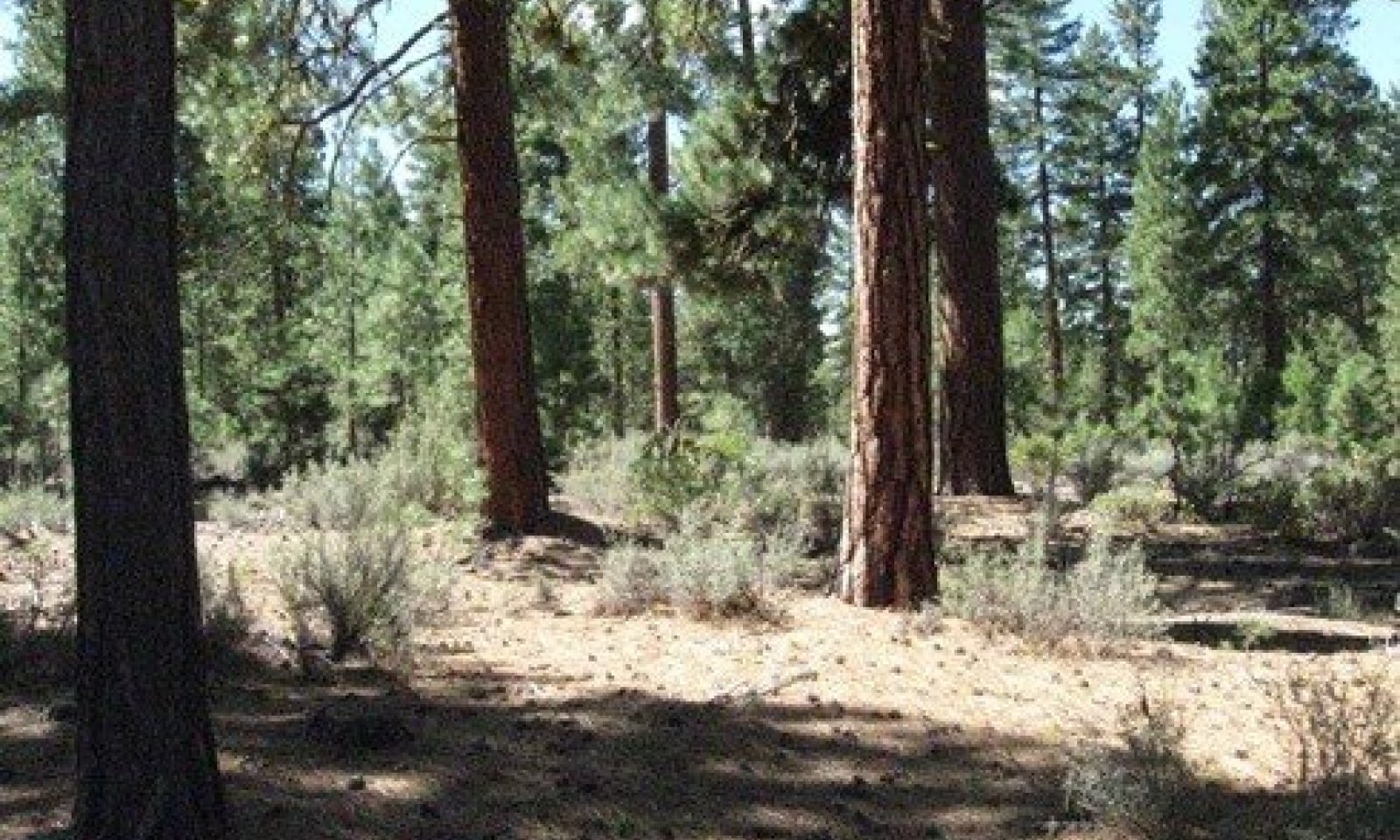
This ecological site represents a moist ponderosa pine site occurring on mountain side slopes, ridge tops and elevated plains of the pumice plateau of the Eastern Cascades. The reference plant community is a Ponderosa pine (Pinus ponderosa) forest made up of mostly mature and old-growth trees often with a mixture of lodgepole pine (Pinus contorta), sugar pine (Pinus lambertiana) and white fir (Abies concolor) in the understory. Greenleaf manzanita (Arctostaphylos patula) is often the dominant shrub species in the understory. Abiotically this site is distinguished from other ponderosa pine sites on coarse pumice soils sites by receiving higher precipitation (20 to 40 in) and having a cryic rather than frigid soil temperature regime, favoring the growth of white fir. In cooler areas this site may be transitional to lodgepole dominated forest sites, while in wetter areas it may be transitional to white fir or sugar pine – ponderosa pine forest sites. At its mid and lower elevations where precipitation overlaps with ponderosa - bitterbrush – western needlegrass communities, this site has an affinity toward north and east aspects and steeper slopes. Historically, frequent fire would have acted to thin understory infill, allowing ponderosa pine to develop into mature open canopy stands. Much of this site has likely been transformed by a history of fire suppression resulting in dense understory infill and recruitment of shade tolerant white fir into the overstory.
This is a provisional ecological site that groups characteristics at a broad scale with little to no field verification and is subject to extensive review and revision before final approval. All data herein was developed using existing information and literature and should be considered provisional and contingent upon field validation prior to use in conservation planning.Associated sites
AX006X01F101 Pumice Plateau, Volcanic Uplands (Ponderosa Pine / Antelope bitterbrush) 18-25 PZ
Typically occupying positions upslope from this site
AX006X01F102 Pumice Plateau, Flats and Frost Pockets (Lodgepole Pine / Antelope bitterbrush) 18-25 PZ
Occupying downslope positions where cold air pooling is common
Similar sites
AX006X01F101 Pumice Plateau, Volcanic Uplands (Ponderosa Pine / Antelope bitterbrush) 18-25 PZ
Somewhat lower precipitation, greenleaf manzanita uncommon
AX006X01F102 Pumice Plateau, Flats and Frost Pockets (Lodgepole Pine / Antelope bitterbrush) 18-25 PZ
Occupying downslope positions where cold air pooling is common
Table 1. Dominant plant species
Tree (1) Pinus ponderosa
Shrub (1) Arctostaphylos patula
Herbaceous Not specified
Legacy ID
F006XY714OR
Physiographic features
This site occurs on Eastern Cascade lava plateaus overlaid with deep pumice mantles from the eruption of Newberry Caldera and Mount Mazama approximately 4000 and 7700 years ago respectively. This region is characterized by broad relatively flat terrain with numerous cinder cones and enclosed basins. Across this landscape the site is found on a diversity of landforms including mountain side slopes, ridge tops, elevated plains, pyroclastic flows, cinder cones and scarp slopes. This site is generally found on slopes ranging from 2 to 35 percent and commonly occupies elevations between 4,750 to 5,750 feet (1,450 to 1,750 meters) but may range from 4,250 to 6,750 feet (1,300 to 2,050 meters).
Table 2. Representative physiographic features
Hillslope profile (1) Summit
(2) Shoulder
(3) Backslope
(4) Footslope
Landforms (1) Lava plateau > Hillside or mountainside
(2) Lava plateau > Ridge
(3) Lava plateau > Pyroclastic flow
(4) Lava plateau > Cinder cone
(5) Lava plateau > Scarp slope
Flooding frequency None Ponding frequency None Elevation 4750 – 5750 ft Slope 2 – 35 % Ponding depth 0 in Water table depth 100 in Aspect W, NW, N, NE, E, SE, S, SW Table 3. Representative physiographic features (actual ranges)
Flooding frequency Not specified Ponding frequency Not specified Elevation 4250 – 6750 ft Slope 0 % Ponding depth 0 in Water table depth 0 in Climatic features
The average annual precipitation is generally 20 to 32 inches (500 to 800 mm) but can occur on sites with as low as 12 inches (30 cm) where favorable soils and topography facilitate greater effective moisture. This precipitation occurs mainly between the months of November and April, mostly in the form of snow. Winters are long and growing seasons are generally short on this site. The average annual air temperature is 41 degrees Fahrenheit (5°C) but ranges from 39 to 43 degrees Fahrenheit (4 to 6°C) and the frost-free period ranges from 15 to 50 days. The soil temperature regime is cryic, soil moisture regime is xeric. The graphs below are populated from the closest available weather station to representative site locations and are provided to indicate general climate patterns.
Table 4 Representative climatic features
Frost-free period (characteristic range) 20-50 days Freeze-free period (characteristic range) Precipitation total (characteristic range) 20-30 in Frost-free period (average) 40 days Freeze-free period (average) Precipitation total (average) 30 in Characteristic rangeActual rangeBarLineFigure 1. Monthly precipitation range
Characteristic rangeActual rangeBarLineFigure 2. Monthly minimum temperature range
Characteristic rangeActual rangeBarLineFigure 3. Monthly maximum temperature range
BarLineFigure 4. Monthly average minimum and maximum temperature
Figure 5. Annual precipitation pattern
Figure 6 Annual average temperature pattern
Climate stations used
-
(1) CHEMULT [USC00351546], Chemult, OR
">Influencing water features
This site is not influenced by water from a wetland or stream.
Wetland description
This site is not subject to ponding or flooding and no water table is present within 100 inches of the soil surface.
Soil features
The soils are very deep and formed in thick deposits of volcanic ash and pumice derived from dacite. These are somewhat excessively to excessively drained soils with very rapid permeability. Characteristic of these deep pumice and ash deposits, these soils are generally low in Nitrogen, Phosphorus, and Sulphur, have high water holding capacity, low bulk density and low thermal conductivity. Surface soil textures are commonly very coarse, typically paragravelly ashy loamy coarse sand and paragravelly ashy coarse sandy loam. Paragravels in the upper horizons are almost exclusively pumice fragments and can make up a large portion of the soil volume. Beneath these recent pumice and ash deposits, buried soil layers ranging from loamy colluvium and volcanic residuum occur. These soils are often of loamy texture classes and have lower permeability compared to upper horizons, altering hydrologic dynamics. Soils of this site are predominately classified as xeric vitricryands (cold, dry soils formed in volcanic parent materials). This site is not subject to ponding or flooding and no water table is present within 100 inches of the soil surface.
Table 5. Representative soil features
Parent material (1) Volcanic ash
(2) Pumice – dacite
Surface texture (1) Paragravelly, ashy coarse sandy loam
(2) Paragravelly, ashy loamy coarse sand
Family particle size (1) Ashy
(2) Ashy over loamy-skeletal
(3) Ashy-pumiceous
(4) Ashy over pumiceous or cindery
Drainage class Somewhat excessively drained to excessively drained Permeability class Very rapid Depth to restrictive layer 60 – 80 in Soil depth 60 – 80 in Surface fragment cover <=3" 0 – 45 % Surface fragment cover >3" 0 – 45 % Available water capacity
(0-40in)3.4 – 6.2 in Soil reaction (1:1 water)
(0-40in)5.6 – 7.3 Subsurface fragment volume <=3"
(4-60in)12 – 50 % Subsurface fragment volume >3"
(4-60in)0 – 25 % Table 6. Representative soil features (actual values)
Drainage class Not specified Permeability class Not specified Depth to restrictive layer 0 in Soil depth 0 in Surface fragment cover <=3" 0 % Surface fragment cover >3" 0 % Available water capacity
(0-40in)2.2 – 7.3 in Soil reaction (1:1 water)
(0-40in)0 Subsurface fragment volume <=3"
(4-60in)0 % Subsurface fragment volume >3"
(4-60in)0 % Ecological dynamics
The Reference Plant Community is an open canopy Ponderosa pine (Pinus ponderosa) forest made up of mostly mature and old-growth trees with scattered smaller trees and pockets of regeneration. Additional tree species on this site may include White fir (Abies concolor), sugar pine (Pinus lambertina), lodgepole pine (Pinus contorta ssp.murrayana), quaking aspen (Populus tremuloides). Greenleaf manzanita (Arctostaphylos patula) is the dominate species in the understory yet antelope bitterbrush (Purshia tridentata) is common in some areas. Other shrubs found on this site include pinemat manzanita (Arctostaphylos nevadensis), kinnikinnick (Arctostaphylos uva-ursa), and snowbrush (Ceanothus velutinus). Grasses and forbs are present but in low amounts. Species found are western needlegrass (Achnatherum occidentale), Ross’ sedge (Carex rossii), Squirreltail (Elymus elymoides), Strawberry (Fragas spp.) and Dogbane (Apocynum androsaemifolium).
The overstory is dominated by Ponderosa pine, making up 90 to 100 percent of the stand. Sugar pine (Pinus lambertina) may occasionally be found. Sugar pine generally occurs in locations that have more available soil moisture; north slopes, cooler microsites, and at the higher elevations of this ecological site where it is transitioning to a Ponderosa pine/Sugar pine ecological site. Lodgepole pine (Pinus contorta ssp.murrayana) also often occurs on this site, particularly in areas with poorer cold air drainage. White fir (Abies concolor) may also be found, especially in drainages, north slopes and landscape positions receiving supplemental water. Quaking aspen (Populus tremuloides) is present on microsites, where soils are very moist and water is at or near the surface.
Ponderosa is a long lived species, often reaching ages of 300 to 600 years. Diameters of up to 103.5 inches and heights of 232 feet have been recorded. Diameters at breast height of 30 to 50 inches and heights of 90 to 130 feet are common throughout its range (Habeck, R. 1992). Mature trees will self-prune, leaving a smooth bole which reduces aerial fire spread. Other fire adaptations include deep roots, high foliar moisture content and insulated bud scales (Habeck, R. 1992). Ponderosa pine has evolved with a thick bark and open crown structure that allows it to survive low- to moderate-intensity fires.
Lodgepole pine is more commonly found in the northerly region of the ecological site where temperatures are cooler. It is a is long-lived species; with some trees reaching older than 600 years, yet in the pumice zone is rarely reaches 150 years old. It is a prolific seed producer, producing a good seed crop every one to three years (Habeck, R. 1992). Its bark is thin making it susceptible to fire, both light- and moderate-intensity. Under the historically frequent fire regime for ponderosa pine, lodgepole presence would be minimal with few lodgepole reaching maturity. However, on some sites where the mature ponderosa pine overstory has been removed and fire has been excluded, lodgepole has encroached and has become the dominant tree.
White fir is more commonly found in the upland forest in the southerly region of the ecological site. It can be a long-lived tree, reaching heights of 140 to 180 feet and diameters from 40 to 80 inches. Bark on young trunks is smooth, gray and blistered with resin vesicles, becoming thick, hard and deeply furrowed into scaly ridges with age. White fir trees can begin bearing cones at 40 years and continue beyond 300 years. In Oregon and California, heavy seed crops in white fir are borne on a three- to nine-year cycle, with fair to good crops occurring every two to five years, and bumper crops every five to nine years (Zouhar, 2001). Thin-barked and resin blistered, with drooping lower branches, young white fir is highly susceptible to fire, and mature trees are only moderately fire tolerant.
White fir is an aggressive, shade-tolerant species that will seed into the understory of ponderosa pine, other conifers or into mixed conifer stands. On these sites, its numbers were previously controlled by frequent surface fires. With fewer fires in the last century, it is becoming a major stand component at elevations and sites where historically it was minor. White fir is also a component of some drier ponderosa habitat types that evolved with an understory fire regime. Under a frequent fire regime, white fir was a minor species and existed as scattered individuals or small groups that managed to survive to a fire resistant age. Open ponderosa pine stands at lower elevations have been extensively harvested and protected from fire resulting in a compositional shift to an unnaturally dense understory of shade tolerant species (Zouhar, 2001).
Sugar pines may live 400 to 500 years. Trees up to 250 feet (76 m) tall and 10 feet (3 m) in diameter have been reported. Larger Sugar pines are very resistant to low- to moderate-severity fires. It is very similar to Ponderosa pine, developing a thick, fire-resistant bark and open canopy that retards aerial fire spread once reaching maturity. Unlike ponderosa, however, at younger ages they do not develop an insulating bark so are susceptible to low- to moderate-severity fires. Sugar pine is highly susceptible to white pine blister rust caused by and introduced fungus Cronartium ribicola. Among commercially important North American white pines, sugar pine is the most susceptible to this disease (Habeck R. J., 1992). Infected seedlings and young trees are inevitably killed by cankers girdling the main stem. Incidence and intensity of infection on sugar pine are high in Oregon.
Where fire return intervals are frequent (less than 10 years) grass and forb understory’s tend to develop instead of brush dominated understory’s. The growing points for grasses are at the soil surface level where heat from a fire is generally the coolest. After a fire grasses sprout from the plants base initiating growth. Shrubs growing points generally are at the tip ends of the branches. Fire readily kills all of the above ground parts of a shrub, thus killing the growing points. This requires the shrubs to re-vegetate from seed. A frequent fire regime would kill young growing shrubs, depleting the seed supply. Where fire return intervals are longer (greater than 15 to 20 years) shrubs can grow, produce a seed supply that can be present for re-vegetating a site after a fire occurs.
Greenleaf manzanita is an erect shrub with stout branches that grows from 3 to 7 feet tall. It is drought-tolerant, is adapted to hot, dry climates and can withstand wide temperature extremes. Greenleaf manzanita is a very prolific seed producer, produces large seed crops nearly every year. Seed can lay dormant for a hundred plus years. Greenleaf manzanita is shade intolerant and thrives on disturbance. It readily colonizes a site after disturbance (fire, logging, etc.). Its ability to sprout and establish from seed provides it two avenues to take over a site. The plant itself is highly volatile and contains resins and oils that easily burn.
Greenleaf’s ability to colonize quickly after disturbance and interfere with conifer seedling growth allows it to dominate areas for many decades after disturbance. Without further disturbance, conifers eventually overtop the shrub, although it may still inhibit conifer growth after being overtopped until tree canopy closure shades it out (it is a shade intolerant plant). It may take from 30 to 100 years for conifers to gain dominance over shrubs (Hauser, 2007).
Greenleaf manzanita's ability to severely deplete available soil moisture is the greatest contributing factor in its inhibition of ponderosa pine seedling growth (Hauser, 2007). This may be due to the sprouting plants existing root network. Greenleaf develops deep and extensive roots systems over time. The ability to extract water from moisture-depleted soil is likely attributable to poor conifer seedlings growth. Greenleaf also produces abundant quantities of seed that can lay dormant in the soil for hundreds of years, requiring scarification (fire) to break dormancy and then a period of cold before germinating (Hauser, 2007).
Antelope bitterbrush is present in the ecological site. It occurs more abundantly were fire has been excluded for an extended period of time or escaped burning in a fire. It is highly susceptible to fire (Zlatnik, 1999). The plant reproduces from seed and it is also reported to sprout.
Frequent prescribed burns in Ponderosa pine/Antelope bitterbrush sites, 11 years apart, found Antelope bitterbrush cover reduced 75 to 92 percent, 15 years after study initiation (Busse and Riegel, 2009). They reported bitterbrush sprouting was so little that it was considered trivial. Seed cache germination was the path for re-vegetating the site after the first burn. But after the second prescribed fire, bitterbrush seed germination was 3 to 14 times lower than initially found (Busse and Riegel, 2009). It was surmised that the seed bank was not replenished within the 11-year period. Another prescribed burn study with Antelope bitterbrush, found a cover reduction of 79 percent even after 5 growing season. Before treatment cover was 17.0 percent and after treatment cover was 3.4 percent (Busse, et.al. 2000). These two studies reinforce the premise that antelope bitterbrush was not a prominent component of the understory of the Reference Community Phase with the assumed fire return interval.
Fire was the major natural disturbance regime in Ponderosa pine forests throughout its habitat. It is generally reported that fire severity in Ponderosa forest were low- to moderate-intensity. Fire frequency was often enough to keep fuels from accumulating and creating severe fire conditions. Depending upon vegetation type and amount, low- or moderate-intensity fires, or both, could occur. Ponderosa pine has adapted to the frequent fire regime developing a thicker bark as it grows which enables it to survive low to moderate intensity fires. At small diameters (e.g., 5 cm or 2 in) ponderosa trees can withstand heat from most surface fires due to the insulating bark that protects the underlying cambial layers (Graham and Jain, 2005).
Fire studies, in the central and south-central pumice zone, have documented the mean fire return interval (MFRI). MFRI’s of 11, 15 and 24 years in 3 locations were reported by Bork (1984). Arabas, et al. (2006) found MFRI of 6 to 12 years for all fires that occurred in the pre-European settlement era of 1458 - 1859. But, scale can be a factor. When the data was filtered, greater than 10 percent of sampled trees and a minimum of 2 trees with fire scars, the MFRI increased to 19 years. Three major fires were found, that scarred greater than 25 percent of the trees, from the sampled tree set (years 1458 through 2001). The data analysis shows that very small to small fires occurred frequently and less frequent larger fires. Both of these studies fire return intervals fall within the accepted fire return interval of 3 to 40 years for Ponderosa pine forests.
Severe fires also occurred. Climatic variation known as, PDO (Pacific Decadal Oscillation), creates periods of higher precipitation and cool temperatures followed by period of lower precipitation and warmer temperatures, possibly leading to longer and more severe fire seasons. With old-growth Ponderosa pine forest found to contain trees over 300 years old one can possibly assume stand replacing fires were greater than 300 hundred years apart.
The historical structure of Ponderosa pine forest has been altered by reducing fire frequency and harvesting. Fire suppression techniques started in the early 1900’s but vastly improved after WW II which has led to fires being quickly suppressed. Harvesting has also altered the forest structure. Clear cutting or multiple entry tree removal has removed all or vast majority of large trees leading to dense and/or brushy plantations, poorly regenerated or overstocked conditions, or un-manageable high graded stands. Many forests are now overstocked with smaller trees and/or the wrong species. Tree density (trees/hectare) has increased by more than 300% during the past 90 years (Haggman et.al 2013).
A study at Pringle Falls research natural area (Youngblood, et al., 2004), north of this ecological site, found upper canopy trees averaging about 15 to 30 trees per acre. Their reconstruction study was based on stand conditions in 1900. The sizes ranged from 12 inches dbh to 36 inches, with a peak distribution at 16 to 20 inches. The mean height was 103 feet. The dominant and co-dominant trees had a mean age of 243 years, with a range from 47 to 613. The stand was multi-aged, with significant cohorts less than 100 years old. This is mainly influenced by fire suppression that started in the early 1900’s.
In studying a large (greater than 90,000 hectare) timber inventory, conducted from the years 1914 to 1922 in south-central Oregon region, Haggman et.al (2013) concludes that the vast amount of low density forests, dominated by large drought hardy ponderosa pine, was shaped by frequent low- to moderate-severity fires for several hundred years prior to the survey initiation. They also reviewed CVS (current vegetation survey) data and concluded that mean forest density (trees per hectare) has increased by more than 300 percent during the past 90 years and shifted towards a dominance of shade tolerant species on mixed-conifer sites. This study’s conclusions are consistent with other re-construction studies (Youngblood, et. al., 2004; Shuffield, 2011).
Major root diseases of ponderosa pine in the Pacific Northwest include Armillaria root disease caused by Armillaria ostoyae, annosum root rot caused by Heterobasidion annosum, and black-stain root disease caused by Leptographium wageneri var. ponderosum. Annosum root rot is most damaging in ponderosa pine in southern Oregon and northern California, usually on low-quality sites. Infection may result in tree growth loss, windthrow, or mortality. Root diseases spread primarily by root to root contact between infected trees or between residual stumps and healthy trees. There is no cure for root diseases. Management strategies include prevention of infection, and favoring tree species that are less susceptible or immune to root diseases on the site (Filip, 2005).
Rusts cause stem disease of ponderosa pine. The most common are western gall rust caused by Endocronartium harknessii, comandra blister rust caused by Cronartium comandrae. Western gall rust, is more common on lodgepole pine. Comandra blister rust is more damaging to Ponderosa pine. The disease can kill seedlings, but it is most commonly seen as stem cankers on young trees or top-kill on older trees. The fungus will girdle the stems of trees resulting in tree mortality or top-killing (Filip, 2005).
Dwarf mistletoe (Arceuthobium campylopodum) is probably the most serious pest affecting Ponderosa pine in the Pacific Northwest. Tree growth is reduced proportional to infection severity. Severely infected trees can experience growth reduction. Growth reduction of 20% have been observed. Severe infections can cause tree mortality especially in sapling to pole-size understory trees. Because dwarf mistletoes are obligate parasites (require a living host), once the host tree has died or has been killed, the mistletoe also dies (Filip, 2005).
Major insects associated with old-growth ponderosa pine forests include the pandora moth (Coloradia pandora), the western pine beetle (Dendroctonus brevicomis), and the turpentine beetle (Dendroctonus valens). Others are the mountain pine beetle (Dendroctonus ponderosae) and (Ips pini) pine engraver beetle. Old-growth ponderosa pine forests are subject to defoliation from pandora moth whose larvae consume the needles produced during the previous year. Periods of reduction in radial growth are attributable to pandora moth outbreaks (Speer et al, 2001). Outbreaks rarely led to tree mortality, but repeated overstory defoliation affects the amount of sunlight, water, and nutrients, and may benefit understory trees and vegetation.
Mortality from western pine beetle in old-growth ponderosa pine stands occurs at low levels unless drought reduces tree vigor, leading to greater than normal susceptibility. Low-level mortality from western pine beetle can create widely scattered snags. The turpentine beetle attacks wounded trees near their base or at shallow roots, often after fire. While normally nonlethal, attacks by turpentine beetles place an additional stress on old-growth ponderosa pine subjected to competition and climatic stresses when boles are wounded by fire. (Speer et al. 2001).State and transition model
More interactive model formats are also available. View Interactive Models
Click on state and transition labels to scroll to the respective textEcosystem states
T1B - Extensive timber harvest R2A - Ecological forestry practices may promote a return to Reference State. State 1 submodel, plant communities
Communities 1, 5 and 2 (additional pathways)
1.1A - Stand replacing wildfire 1.2B - Time elapses allowing for maturation of the stand in the absence of severe fire 1.3A - Stand replacing wildfire 1.3B - Time elapses allowing for competition between trees to determine stand density and growth 1.4A - Stand replacing wildfire 1.4B - Time elapses allowing for maturation of the stand under a regular, low intensity, fire regime 1.5B - Time elapses allowing for maturation of the stand under a regular, low intensity, fire regime 1.5A - Stand replacing wildfire State 1
Historic Reference
This site occurs across the landscape as a mosaic of plant community phases characterized by variation in forest structural stage (tree age, density and cover) and plant community composition. Disturbance intervals, namely fire and insect outbreaks, are within the natural range of variability. Negative feedbacks bolster site resilience to external disturbance. The Reference Community within this state is that of an open old growth stand represented by Community Phase 1.1. Historical evidence suggests that this community type was common across the landscape prior to selective logging and widespread fire suppression, which can alter fire regimes and lead to a greater frequency of high severity fire.
Dominant plant species
-
ponderosa pine (Pinus ponderosa), tree
-
greenleaf manzanita (Arctostaphylos patula), shrub
Community 1.1
Reference/Old Growth Phase
Figure 7. On the uphill side where excluded for a long time. Note the height of the brush. needles, branches and litter accumulate.

Figure 8. Old-growth stand of Ponderosa pine, where fire has been Fire scar on old-growth Ponderosa.

Figure 9. Old White fir with a fire scar. Evidence that is was part of the reference community.
This phase is the Reference Community that would occur with natural disturbances. Old growth ponderosa pine would dominate the forest with scattered mature, immature, young trees and saplings or seedlings. Fire sculpted the forest. It is estimated that the fire return intervals were between 10 and 30 years. South slopes may have burned been more frequently and north slopes less frequent. Even more frequent fires, less than 10 years, would have created a grass dominated or grass and brush community. Fire would prepare the seedbed by removing much of the pine litter layer exposing the soil. If a good seed crop was produced (approximately every 5 years), good soil moisture present, and minimal competition from other vegetation successful germination and growth may occur. Fire also kept invading trees species at bay. Both lodgepole pine and white fir will invade a stand if given the chance. Lodgepole pine has a thin bark during its establishment years and it never gets thick enough to protect from fire.
White fir is a shade tolerant tree and will establish underneath other tree species and grow. It has a thin bark and low hanging branches for many of its early years, only getting a thicker bark once it reaches 100+ years. At best it is only slightly moderately fire tolerant in this ecological site. The photo (below) shows that white fir was present in the Reference Community of the ecological site. It survived a ground fire, or several. Heart rot is present where the tree was damaged. Wildlife use the tree for nesting habitat. The sap wood continues to enable this tree to live. White fir regeneration can be seen in the back ground.
When fire is excluded for an extended period of time, ponderosa pine regeneration may establish and can be light to heavy. Exclusion also allows the other tree species to establish. In the cooler reaches of the ecological site lodgepole pine may establish. It is a prolific seeder and easily invades ponderosa pine sites. Harvesting the large trees also benefits lodgepole pine by providing light, space and moisture for growth. It is more cold hardy and will out compete ponderosa pine seedlings if the microsite environment has become colder.
The closest estimation of stocking density in an undisturbed old growth stand is from Youngblood, et al., (2004). Their reconstruction study, based on stand conditions at 1900, found upper canopy trees averaging about 15 to 30 trees per acre. The sizes ranged from 12 inches dbh to 36 inches, with a peak distribution at 16 to 20 inches. The mean height was 103 feet. The dominant and co-dominant trees had a mean age of 243 years, with a range from 47 to 613.Community 1.2
Regeneration Phase
Figure 10. Ponderosa plantation 10+ years after stand replacing from natural regeneration.

Figure 11. Plantation 10+ years after clearcut harvest, with infill wildfire with very severe manzanita competition.

Figure 12. Site dominated by Greenleaf manzanita with Antelope bitterbrush. Snowbrush (not seen) may be present.
This phase occurs after some major disturbance occurs. This may be a catastrophic wildfire occurrence, clear cut harvest, or salvage harvest from a major pine beetle outbreak.
Greenleaf manzanita sprouts after being burned, cut, or flattened by harvesting equipment. It also germinates from dormant seed in the soil. Full sunlight allows it to grow freely. Other brush species may also be present but in small amounts. Once greenleaf manzanita occupies the site, tree seedling establishment and growth is very difficult. The brush fully uses the soil moisture, starving most seedlings that try to establish. Scale, size of the disturbance, is a factor in regenerating a site naturally. Seed comes from trees around the edge of a disturbed unit and any within. Seed does not disperse very far by wind, only to about 100 feet. Regenerating a large disturbance can take a long time. Stocking level can be highly variable, but generally it is low. Tree growth has been documented to be lower when growing in manzanita brush. This phase may be present for 20 to 70 or more years.
A fire at this stage would consume all vegetation, killing any pine regeneration. Fire would probably start in a neighboring forest and as it spread into the community phase.
Resilience management. Generally any merchantable trees are removed, the site is prepared for planting (if needed) and ponderosa pine seedlings are planted. Other seedlings may be planted or establish from natural reseeding, but ponderosa pine is a tree that should be planted and managed for. Depending upon seedling survival success the time in this phase can be 15 to 30 years. Follow-up control of brush is usually needed. Manzanita is such an aggressive plant, hand cutting or chemical spraying is usually needed. Hand cutting will not kill manzanita. It only sets it back for approximately one year. It’s reported that new sprouts occurred within three weeks after a fire. Chemicals will kill or severely reduce growth. Several treatments may be needed. Site index for ponderosa pine in this ES range in the low to mid 1970s. The recommended spacing for planting seedlings is 15 by 15 feet or 200 per acre. If seedling loss is expected a heavier planting rate should be considered. South facing slopes and areas with moderate to heavy brush competition fit this. Large seedlings (2-1) could be considered for planting. North facing slopes should have better seedling survival.
Community 1.3
Crown Closure Phase

This phase occurs when trees have grown to the point where the crowns are touching creating a closed canopy.
Crown closure may never occur for a naturally regenerated stand that evolved from a wildfire. The natural stocking may have never reached levels that would provide a closed canopy. If these conditions exist trees just need to grow and no other treatment may be needed other than fire protection.
In stands that have a successful regeneration episode, those locations usually have a high number of stems per acre. Once in Phase 1.3 the canopy cover can be very dense shading out most of the vegetation that grows on the forest floor. If pre-commercial thinning has not been previously completed it needs evaluating. If overstocked conditions continue tree health and vigor will decline, fire hazard will increase and insect and disease potential occurrence increases. The Ips beetle may be a concern. They like to attack the tops of sapling to pole size trees.
Ground species that require full sunlight are mostly gone from the understory and moderately shade tolerant species may dominate. Greenleaf manzanita can still dominate the understory but its presence may be moderately low to very low in canopy cover. Antelope bitterbrush presence is variable. It is reported as shade intolerant but is easily found in Ponderosa pine stands with 50 percent canopy cover. Where shade cover is very high (photos above) little plant ground cover exists.
A ground fire would either thin the stand or consume everything. It depends upon the time of year that a fire occurred. Fire study’s in the area found fires mostly occurred in the late summer, but some did occur in spring and dormant season. Spring fires are cooler, due to the higher moisture content in the duff or litter layer and the soil. A spring fire may just thin the stand and a fall and dormant season fire may consume all.
Resilience management. With this phase it is assumed that the forest is fully or overstocked. The tree crowns are fully occupying the available space. Lower branches are starting/continuing to die as shade increases. At this point the trees are starting to compete for light, space and moisture. Small ponderosa pine trees that struggled to stay alive in the regeneration phase are now succumbing. The tree growth rate may be slowing. Tree sizes will mostly range from 2 to 6 inches dbh. Pre-commercial thinning may be desirable at this time. Full evaluation of the stand should be completed before a pre-commercial thin. Recommended spacing guide for this ecological site is D+ 9. ‘D’ is the average diameter of the tree stand. This is calculated from the forest inventory completed. Once the average diameter is found add 9 to it. The total sum is the average spacing (in feet) for the stand. Treating the woody residue of cut down trees needs completing. Thinning a stand can create significant “slash” and also increase the fire hazard. Pine engraver beetle is a concern with green slash. If green trees are on the ground in the spring to summer (April through July), this material is prime habitat for the beetle. The small wood debris, less than three inches, is attacked but dries out fairly quickly and it not ideal breeding material. Greater than three inch material dries more slowly and provides more suitable breeding habitat. If at all possible place in sunny areas to quicken drying.
Community 1.4
Dominance Emergence Phase
Figure 13. A naturally developing stand with dominant and co-dominant trees. Duff and litter cover is 100%. No fire has occurred, some regeneration taking place.
In this phase the tree stand is left to grow and allow the stand competition to determine stocking density and growth. Trees that expressed dominance early, usually continue through this stage. It could be they established a few years before other trees, their genetic make-up is superior, they establish on a better microsite, etc. These trees are growing faster, taller and are overall a better tree. Each will compete with others and become a dominant tree in the overstory. Co-dominant trees survive and thrive. They can be in the upper canopy but the crowns are not as full the dominant trees. Intermediate trees struggle to get enough water, light and canopy space to grow well. Suppressed trees will die in due time.
A stand that is overstocked is susceptible to many concerns. One is wildfire hazard. Letting a stand go ‘natural’ can put a lot of dead trees on the forest floor which increases fire hazard. A second concern is beetle infestations. Western pine beetle, mountain pine beetle and pine engraver beetle are endemic, attacking individual trees or small groups throughout the forest every year. A stand becomes more susceptible than an endemic attack when most of the trees are in poor health and their vigor is low. A drought event that puts more stress on trees in poor condition provides an opportunity for a severe outbreak. Trees that are not growing well are susceptible to disease infestation. Root to root contact between trees is a common infection vector. A healthy tree can usually fight off an attempt of infection but a weak tree has a better chance of becoming infected.
The normal fire return interval, estimated to be 10 to 30 years, would limit duff and litter buildup along with keeping brush and small downed wood (1/4 inch to 3 inch) cover low. A mosaic fire burn should be expected. Lower branches would be consumed when trees are younger minimizing ladder fuels later on. Fire damage to trees should be expected. Not all trees can or will survive a fire. Damage can be the actual burning of the tree base, scorching of the crown from heat, or heating the soil killing roots. Fire can weaken a tree making it unable to fend off a pine beetle attack.Community 1.5
Mature Phase
Figure 14. Mature forest stand with minor tree removal, and fire that is keeping brush levels low.

Figure 15. Mature forest stand with very minor tree removal and prescribed fire that is maintaining the open forest look of a frequent fire regime.
The Mature Phase comprises of trees that continued their dominance and growth in the stand. These trees have been able to survive disturbances such as fire and beetle attack, and survive dwarf mistletoe and disease infestation. Once reaching this stage the height growth has significantly slowed down and diameter growth too.
For natural stands there would be a dominance of mature trees, dominants and co-dominants. The intermediate and any surviving suppressed trees would, through natural progression of the forest, would struggle to survive and the weaker trees die. Insect would attack and kill individual trees and possibly small to medium size groups. Diseases, usually root or trunk rot, would slowly kill trees. These types of diseases are very hard to detect since they are either in the roots system or interior of the tree. Once ‘conks’, or fruiting structure of the disease appears the tree is so badly infested that it is not a harvestable tree. It will eventually die and fall over, becoming large woody debris on the ground. This does provide nutrient recycling to the existing trees and any new trees in the future. Dwarf mistletoe, if present in the stand, can be deleterious. Its affect depend upon how long the stand has been infected and how serious the infection rate has become. Mistletoe infections can kill a tree, but it takes a long time for a tree of good size to die. The mistletoe needs to nearly cover the entire tree.
Snags at this stage become very important. The size of trees usually present in this community phase makes excellent wildlife trees. Those trees that have a lot of pitch in them will stand the longest.
For managed stands, basal area could range from 100 to 140 square feet. A fully stock stand, according to USFS Technical Bulletin 630, would have a basal area of 180 to 184. A managed stand would be expected to have a lower basal area due to harvesting of trees.
Resilience management. Managing a mature forest is about the same as managing ponderosa pine, Community Phase 1.4. Here though, the trees are growing slower but the amount of wood volume accumulation is moderate to high. The trees are usually losing branches that died many years ago. The bark has become thicker with deeper fissures protecting it from fire. It also has turned more reddish/brown in color. Fire can be very beneficial by keeping brush levels under control and not allowing the stand to become overstocked. One detriment to fire is the creation of fire scars on trees and the potential loss of the trees to beetle attack for a few years after the burn. Also pine regeneration is easily killed by fire.
Pathway 1.1A
Community 1.1 to 1.2
Reference/Old Growth Phase
Regeneration PhaseStand replacing wildfire
Pathway 1.2B
Community 1.2 to 1.3
Regeneration Phase
Crown Closure PhaseTime elapses allowing for maturation of the stand in the absence of severe fire
Pathway 1.3A
Community 1.3 to 1.2
Crown Closure Phase
Regeneration PhaseStand replacing wildfire
Pathway 1.3B
Community 1.3 to 1.4
Crown Closure Phase
Dominance Emergence PhaseTime elapses allowing for competition between trees to determine stand density and growth
Pathway 1.4A
Community 1.4 to 1.2
Dominance Emergence Phase
Regeneration PhaseStand replacing wildfire
Pathway 1.4B
Community 1.4 to 1.5
Dominance Emergence Phase
Mature PhaseTime elapses allowing for maturation of the stand under a regular, low intensity, fire regime
Pathway 1.5B
Community 1.5 to 1.1
Mature Phase
Reference/Old Growth PhaseTime elapses allowing for maturation of the stand under a regular, low intensity, fire regime
Pathway 1.5A
Community 1.5 to 1.2
Mature Phase
Regeneration PhaseStand replacing wildfire
State 2
Managed
Figure 16. Young (60-70 yr) managed stand. Greenleaf manzanita is 4-6 feet tall and commercially thinned along with a prescribed fire.

Figure 17. Older (80 – 100 yr) managed stand. Greenleaf manzanita is 2 – 3 feet tall. Thinned to about BA of 80 sq ft, It had been pre-commercially & with no fire influence.
This alternative state represents the many variations of timber harvesting that can occur in this site. This may result in a number of manipulated community types and pathways depending on strategies surrounding harvest, shrub control, weed control and replanting.
When managed for timber productivity, stand diameter will vary with stocking density but should have an average range of 10 inches up to 18 inches. Based on the site index for the site and productivity, 60 to 120 trees per acre would be a fair stocking rate. An average growth rate of 10 to 15 rings per inch would be acceptable in this environment and would equate to 1.4 to 2 inch diameter growth in 10 years. Maintaining a basal area of around 80 square feet per acre would be adequate.
Prescribed burning may be used to control the amount of understory biomass accumulation and help protect the stand from catastrophic wildfire. This may be combined with other beneficial management practices such as pruning. Pruning lower branches (recommended up to a minimum height of 10 feet) will reduce ladder fuels and decrease the possibility of a crown fire.
Within this state one or two commercial thinnings may occur, all depending upon the tree growth rate. With managed stands more light will reach the forest floor. Greenleaf manzanita will respond and grow. At this stage the plant is not in competition with the large ponderosa pine. The shrub though is highly volatile and burns quite readily and hot. Keeping greenleaf manzanita as low as possible to the ground helps lower the fire hazard of a crown fire. Prescribe burning, mowing or chemicals will reduce the height and amount of the shrub in a stand. Repeated control will be needed to keep the plant under control. Antelope bitterbrush is usually present too. If prescribed fire is used then the amount present will be low, less than ten percent cover. If fire is not used bitterbrush cover can be much higher, up to a 50 percent crown cover.Dominant plant species
-
ponderosa pine (Pinus ponderosa), tree
Transition T1B
State 1 to 2
Historic Reference
ManagedExtensive timber harvest followed by continual management for timber production that has significantly altered species compositions and resulting disturbance responses
Restoration pathway R2A
State 2 to 1
Managed
Historic ReferenceEcological forestry practices may promote a return to Reference State. Stand replacing fire may lead to a transition to Community 1.1 of the Reference State if soil compaction is not severe, species composition has not been significantly altered and tree seed source is available.
Context dependence.Alterations of forest tree species composition, as well as soil compaction and surface disturbances due to large machine usage may hinder passive forest reestablishment.
Additional community tables
Table 7. Community 1.1 plant community composition
Group Common name Symbol Scientific name Annual production () Foliar cover (%) Table 8. Community 1.2 plant community composition
Group Common name Symbol Scientific name Annual production () Foliar cover (%) Table 9. Community 1.3 plant community composition
Group Common name Symbol Scientific name Annual production () Foliar cover (%) Table 10. Community 1.4 plant community composition
Group Common name Symbol Scientific name Annual production () Foliar cover (%) Table 11. Community 1.5 plant community composition
Group Common name Symbol Scientific name Annual production () Foliar cover (%) Interpretations
Supporting information
Inventory data references
Information presented here has been derived from NRCS data. Field observations from range trained personnel were also used. Other sources used as references include USDA NRCS Water and Climate Center, USDA NRCS National Range and Pasture Handbook, and USDA NRCS Soil Surveys from various counties.
References
-
1980. Fire Effects Information System. http://www.fs.fed.us/database/feis/.
-
. 2021 (Date accessed). USDA PLANTS Database. http://plants.usda.gov.
Other references
Arabas, Karen B., Keith S. Hadley, Keith S., Larson, Evan R. 2006. Fire history of a naturally fragmented landscape in central Oregon. Canadian Journal Forest Research 36: 1108–1120
Bork, J.L. 1984. Fire history of three vegetation types on the eastern side of the Oregon Cascades. PhD. Diss. Oregon State University, Corvallis.
Busse, Matt D., Riegel, Gregg M. 2009. Response of antelope bitterbrush to repeated prescribed burning in Central Oregon ponderosa pine forests. Forest Ecology and Management 257. 904–910.
Busse, Matt D., Simon, Steven A. and Riegel, Gregg M., 2000. Tree Growth and Understory Response to Low-Severity Prescribed Burning in Thinned Pinus ponderosa Forests of Central Oregon. Forest Science Vol. 26, No. 2, May 2000.
Cochran, P.H., Hopkins, W.E. 1990. Does Fire Exclusion Increase Productivity Of Ponderosa Pine? Symposium on Management and Productivity of Western-Montane Forest Soils, Boise, ID.
Filip, Gregory M. Diseases as Agents of Disturbance in Ponderosa Pine. In: Ritchie, Martin W.; Maguire, Douglas A.; Youngblood, Andrew, tech. coordinators. 2005. Proceedings of the Symposium on Ponderosa Pine: Issues, Trends, and Management, 2004 October 18-21, Klamath Falls, OR Gen. Tech. Rep PSW-GTR-198. Albany, CA: U.S. Department of Agriculture, Forest Service, Pacific Southwest Research Station. 281 p
Graham, Russell T., Jain, Theresa B. Ponderosa Pine Ecosystems. In: Ritchie, Martin W.; Maguire, Douglas A.; Youngblood, Andrew, tech. coordinators. 2005. Proceedings of the Symposium on Ponderosa Pine: Issues, Trends, and Management, 2004 October 18-21, Klamath Falls, OR Gen. Tech. Rep PSW-GTR-198. Albany, CA: U.S. Department of Agriculture, Forest Service, Pacific Southwest Research Station. 281 p
Habeck, R. 1992. Pinus ponderosa var. ponderosa. In: Fire Effects Information System, [Online]. U.S. Department of Agriculture, Forest Service, Rocky Mountain Research Station, Fire Sciences Laboratory (Producer). Available: http://www.fs.fed.us/database/feis/
Habeck, R. J. 1992. Pinus lambertiana. In: Fire Effects Information System, [Online]. U.S. Department of Agriculture, Forest Service, Rocky Mountain Research Station, Fire Sciences Laboratory (Producer). Available: http://www.fs.fed.us/database/feis/
Hagmann, Keala R., Franklin, Jerry F., Johnson, K. Norman. 2013. Historical structure and composition of ponderosa pine and mixed-conifer forests in south-central Oregon. Forest Ecology and Management, 492-504.
Hauser, A. Scott. 2007. Arctostaphylos patula. In: Fire Effects Information System, [Online]. U.S. Department of Agriculture, Forest Service, Rocky Mountain Research Station, Fire Sciences Laboratory (Producer). Available: http://www.fs.fed.us/database/feis/
McDonald, Philip M.; Laurie, William D.; Hill, Richard. 1998. Early growth characteristics of planted deerbrush and greenleaf manzanita seedlings in California. Res. Note PSW-RN-442. Albany, CA: U.S. Department of Agriculture, Forest Service, Pacific Southwest Research Station. 6 p.
Simpson, M. 2010. Forested plant associations of the Oregon East Cascades. Portland, Or. U.S. Dept. of Agriculture, Forest Service, Pacific Northwest Region.
Shuffield, C. D. 2011. Overstory Composition and Stand Structure Shifts within Inter-mixed Ponderosa Pine and Lodgepole Pine Stands of the South-central Oregon Pumice Zone.
Masters Thesis Oregon State University, Corvallis, OR, 138 pp.
Speer, James H., Swetnam, Thomas W., Wickman, Boyd E., Youngblood, Andrew. 2001. Changes In Pandora Moth Outbreak Dynamics During The Past 622 Years. Ecology 82, 679–697.
Youngblood, Andrew, Max, Timothy, Coe, Kent. 2004. Stand structure in eastside old-growth ponderosa pine forests of Oregon and northern California. Forest Ecology and Management 199, 191–217.
Zlatnik, Elena. 1999. Purshia tridentata. In: Fire Effects Information System, [Online]. U.S. Department of Agriculture, Forest Service, Rocky Mountain Research Station, Fire Sciences Laboratory (Producer). Available: http://www.fs.fed.us/database/feis
Zouhar, Kris. 2001. Abies concolor. In: Fire Effects Information System, [Online]. U.S. Department of Agriculture, Forest Service, Rocky Mountain Research Station, Fire Sciences Laboratory (Producer). Available: http://www.fs.fed.us/database/feis/
Volland, L. 1985 Plant associations of the central Oregon pumice zone. Portland, Or. U.S. Dept. of Agriculture, Forest Service, Pacific Northwest Region.Contributors
Andrew Neary - 2020/2021 PES update of draft site
Approval
Kirt Walstad, 5/05/2025
Rangeland health reference sheet
Interpreting Indicators of Rangeland Health is a qualitative assessment protocol used to determine ecosystem condition based on benchmark characteristics described in the Reference Sheet. A suite of 17 (or more) indicators are typically considered in an assessment. The ecological site(s) representative of an assessment location must be known prior to applying the protocol and must be verified based on soils and climate. Current plant community cannot be used to identify the ecological site.
Author(s)/participant(s) Contact for lead author Date 02/14/2025 Approved by Approval date Composition (Indicators 10 and 12) based on Annual Production Indicators
-
Number and extent of rills:
-
Presence of water flow patterns:
-
Number and height of erosional pedestals or terracettes:
-
Bare ground from Ecological Site Description or other studies (rock, litter, lichen, moss, plant canopy are not bare ground):
-
Number of gullies and erosion associated with gullies:
-
Extent of wind scoured, blowouts and/or depositional areas:
-
Amount of litter movement (describe size and distance expected to travel):
-
Soil surface (top few mm) resistance to erosion (stability values are averages - most sites will show a range of values):
-
Soil surface structure and SOM content (include type of structure and A-horizon color and thickness):
-
Effect of community phase composition (relative proportion of different functional groups) and spatial distribution on infiltration and runoff:
-
Presence and thickness of compaction layer (usually none; describe soil profile features which may be mistaken for compaction on this site):
-
Functional/Structural Groups (list in order of descending dominance by above-ground annual-production or live foliar cover using symbols: >>, >, = to indicate much greater than, greater than, and equal to):
Dominant:
Sub-dominant:
Other:
Additional:
-
Amount of plant mortality and decadence (include which functional groups are expected to show mortality or decadence):
-
Average percent litter cover (%) and depth ( in):
-
Expected annual annual-production (this is TOTAL above-ground annual-production, not just forage annual-production):
-
Potential invasive (including noxious) species (native and non-native). List species which BOTH characterize degraded states and have the potential to become a dominant or co-dominant species on the ecological site if their future establishment and growth is not actively controlled by management interventions. Species that become dominant for only one to several years (e.g., short-term response to drought or wildfire) are not invasive plants. Note that unlike other indicators, we are describing what is NOT expected in the reference state for the ecological site:
-
Perennial plant reproductive capability:
Print Options
Sections
Font
AAAAOther
PrintThe Ecosystem Dynamics Interpretive Tool is an information system framework developed by the USDA-ARS Jornada Experimental Range, USDA Natural Resources Conservation Service, and New Mexico State University.
Accessibility statement


